login
login




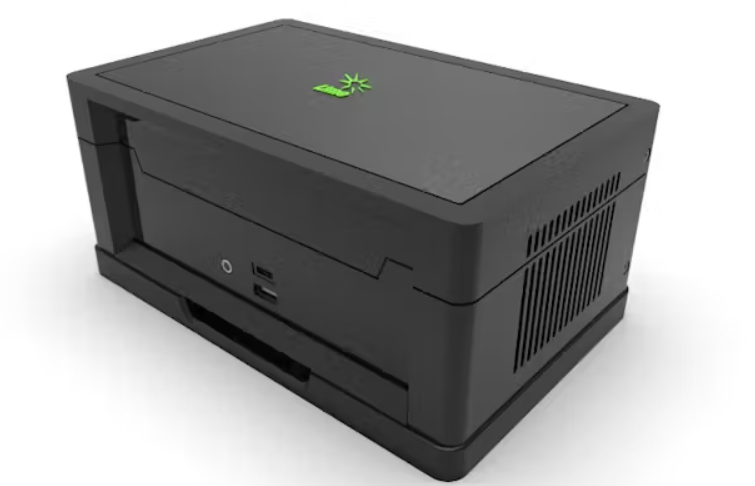
Vodafone and Lime Microsystems Unveil Upgraded 5G Network-in-a-Box with Raspberry Pi 5 Integration
Cellular network giant Vodafone and software-defined radio specialist Lime Microsystems have announced they will be showing off a revamped version of their 5G network-in-a-box device, built around a Raspberry Pi 5 single-board computer. Vodafone and Lime Microsystems have collaborated...
Continue Reading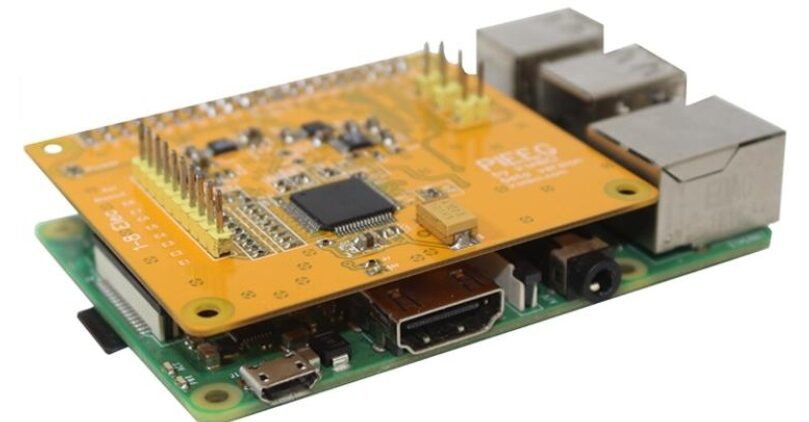
PiEEG A Raspberry Pi Shield for Measuring Biosignals like ECG, EMG, and EEG, Available for Just $350
PiEEG is an 8-channel, open-source shield for Raspberry Pi, designed to easily measure EEG, EMG, and ECG biosignals. It's user-friendly and compatible with various electrodes, making it easy to explore complex biosignals without needing specialized equipment. Researchers at Heriot-Watt...
Continue Reading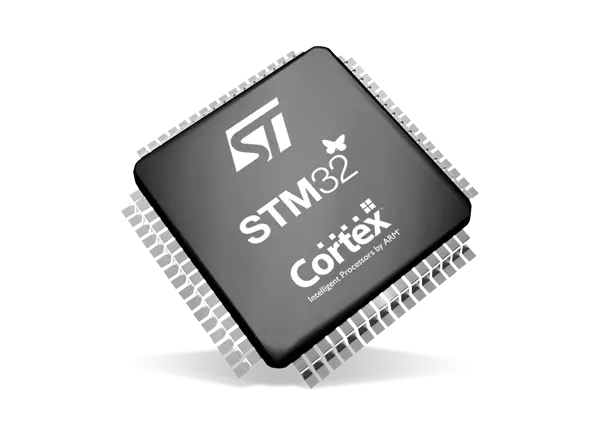
STMicroelectronics reveals advanced ultra-low-power STM32 microcontrollers
New flagship in ultra-low-power consumes less, delivers more at effective cost STMicroelectronics has introduced a new generation of energy-conscious and cost-effective microcontrollers (MCUs) that can reduce energy consumption by up to 50% compared to previous product generations....
Continue Reading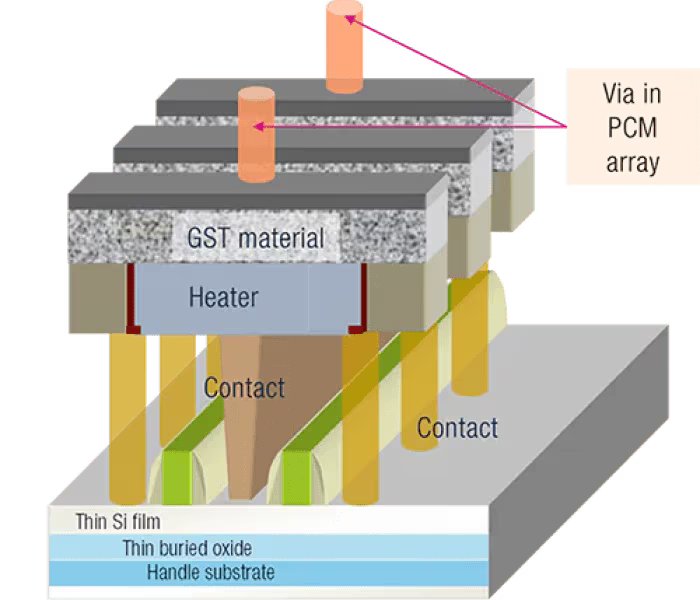
STMicroelectronics breaks the 20nm barrier for cost-competitive next-generation microcontrollers
Highlights First STM32 microcontroller based on new technology to sample to selected customers in the second half of 2024. 18nm FD-SOI with embedded phase change memory (ePCM) to deliver a leap in performance and power consumption. STMicroelectronics announces an advanced...
Continue Reading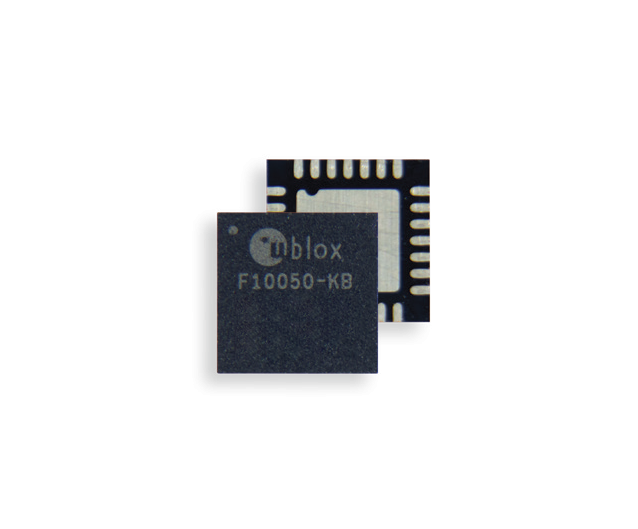
u-blox launches new GNSS platform for enhanced positioning accuracy in urban environments
The u-blox F10 platform increases positioning accuracy by reducing multipath effects, simplifying the process of promptly locating a vehicle. u-blox, a global provider of leading positioning and wireless communication technologies and services, has announced F10, the company’s first...
Continue Reading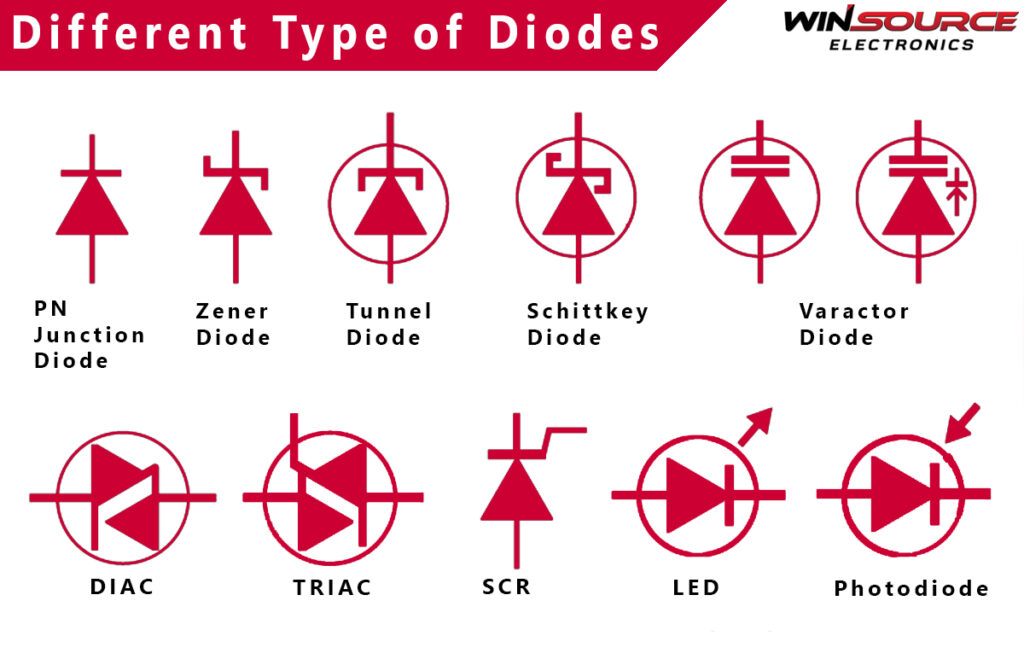
Choosing the Right Diode – Types and Uses Explained for Beginners
From small LED drivers to rectifiers to Switch Mode Power Supplies (SMPS), the diode is a key component in each of those everyday appliances. They are also used in charging LED indicators and reverse polarity protection circuits in router chargers and many more; diodes are used...
Continue Reading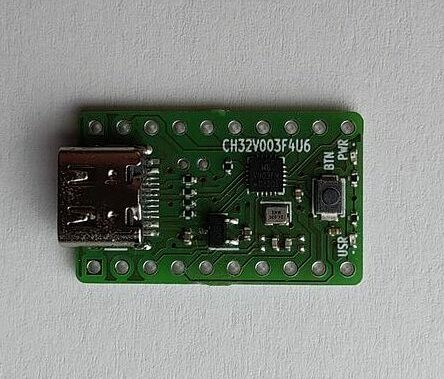
CH32V003 USB Development Board: An Affordable and Versatile Platform for USB Peripheral Projects
LECTRONZ has introduced a new USB Development Board called CH32V003. It's designed for people who like to tinker with RISC-V microcontrollers. The main part of the board is a microcontroller with part no CH32V003F4U6 made by WCH. It can run at speeds up to 48MHz, has 16KB of storage for...
Continue Reading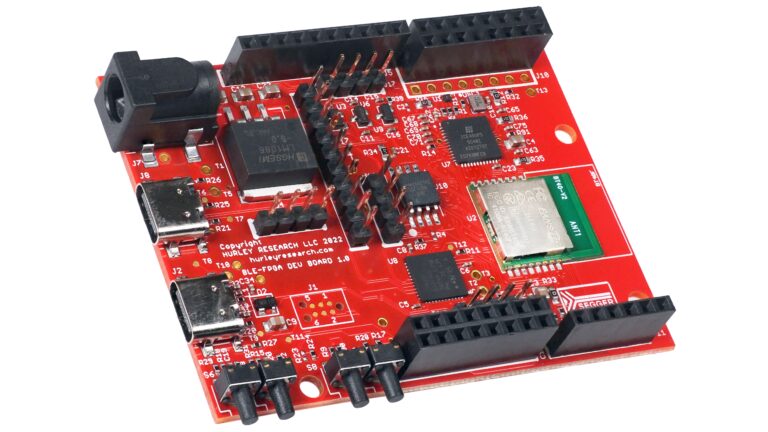
Introducing NRFICE: A Bluetooth FPGA Board for Edge Computing and IoT Applications
The NRFICE is a Bluetooth FPGA board designed to be compatible with the Arduino UNO form factor. It combines two key components: the dual-core nRF5340 Bluetooth SoC and the LatticeICE40UP5K FPGA. The Lattice ICE40UP5K FPGA is known for its low power consumption and high performance,...
Continue Reading