login
login




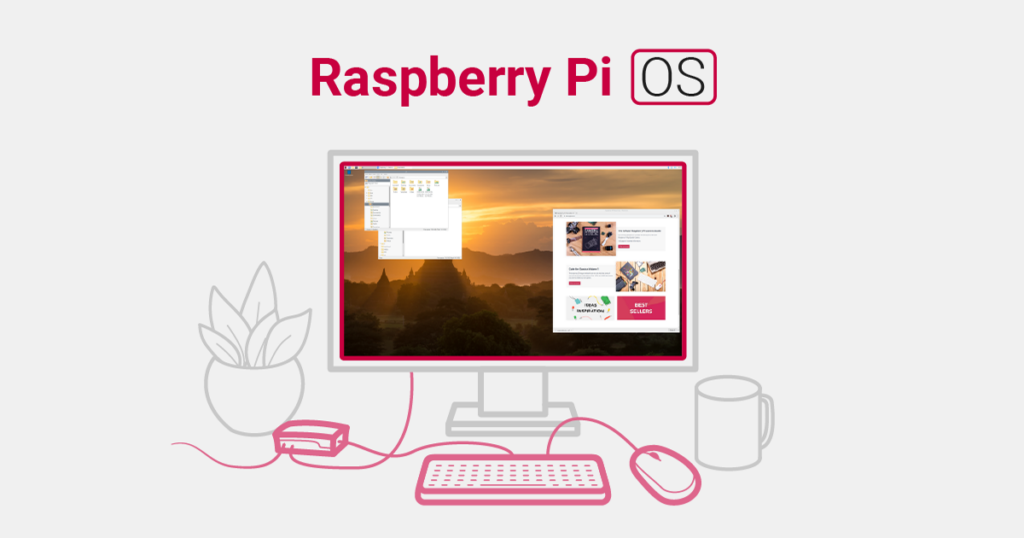
Raspberry Pi OS Upgrades to Linux 6.6 LTS, Enhances Raspberry Pi 5 Compatibility
The Raspberry Pi Foundation has rolled out an updated version of its Debian-based operating system, Raspberry Pi OS, tailored for Raspberry Pi single-board computers (SBCs). This new release introduces significant enhancements, including a transition to the Linux 6.6 LTS kernel series,...
Continue Reading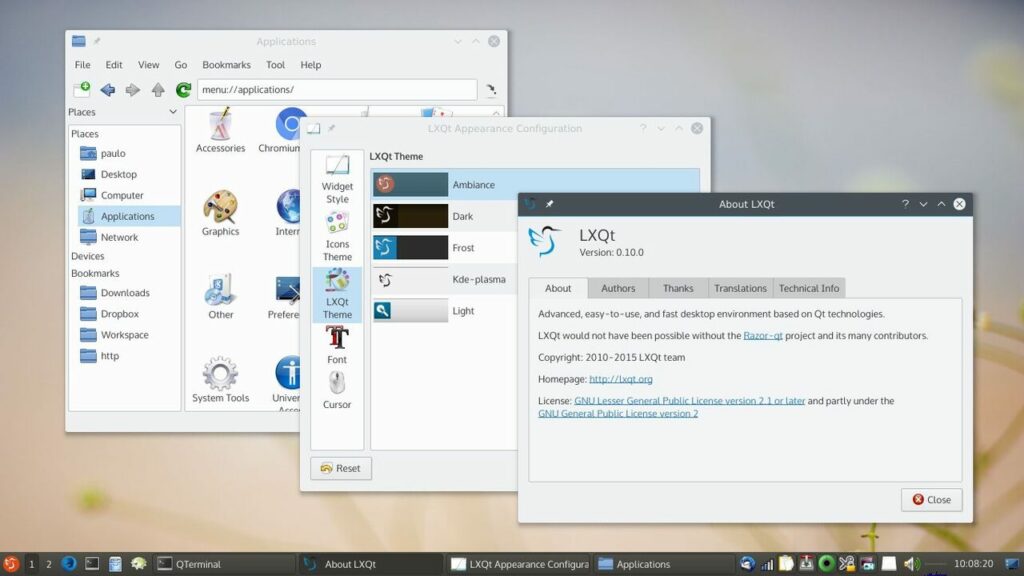
Exploring DietPi 9.1: New Images for Radxa Rock 4 SE and Raspberry Pi 5, Performance Enhancements, and Power Savings
DietPi, known for its lightweight and adaptable nature, has just rolled out DietPi 9.1, the latest version built on Debian 12.5. One of the key highlights of this update is the addition of new images tailored specifically for Raspberry Pi 5, complemented by updates for other Raspberry...
Continue Reading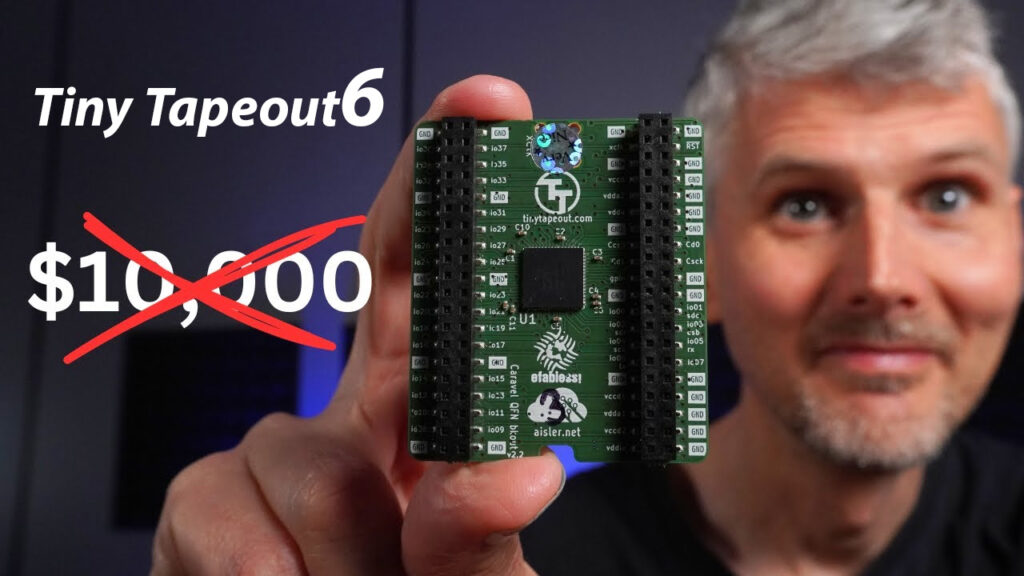
From Idea to Chip Design in Minutes – With Tiny Tapeout 6 You Can Design your Custom Silicon for Just $300
With Tiny Tapeout 6, you can design your custom ICs, get them fabricated, and then receive them on a development board, all for only $300. Matthew Venn has announced the launch of Tiny Tapeout 6, an educational program designed to assist beginners with their chip design. Participants...
Continue Reading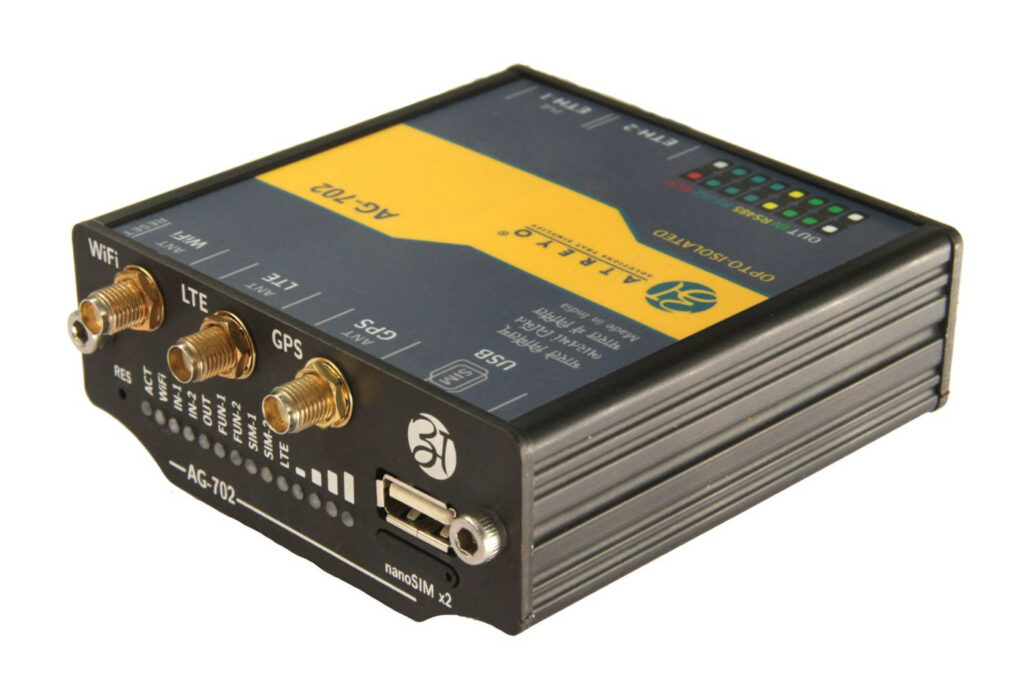
Industrial OpenWrt gateway features MediaTek MT7628 SoC, WiFi, LTE, and GNSS connectivity
The Atreyo AG-702 is an industrial OpenWrt gateway powered by the MediaTek MT7628 processor, featuring dual Ethernet and WiFi connectivity alongside an integrated LTE and GNSS modem capable of accommodating two SIM cards. This gateway boasts isolated RS485 and RS232 interfaces for...
Continue Reading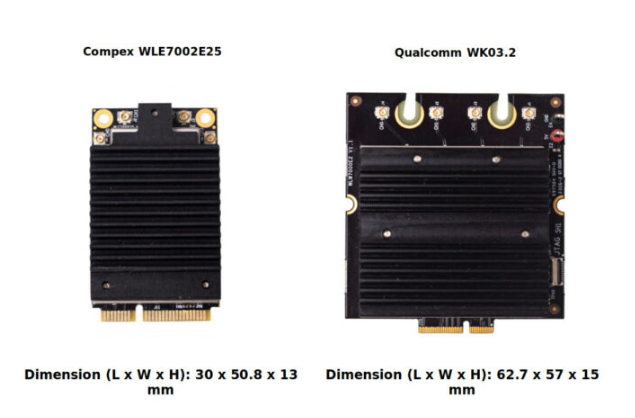
Revolutionizing Wireless Connectivity: Exploring the Compex WLE7002E25 WiFi 7 Mini PCIe Module
The Compex WLE7002E25 is a WiFi 7 module designed in a standard mini PCIe form factor, ensuring compatibility with existing systems using WiFi 4 or WiFi 5 modules. This compatibility simplifies integration for device manufacturers, as they do not need to modify their hardware to...
Continue Reading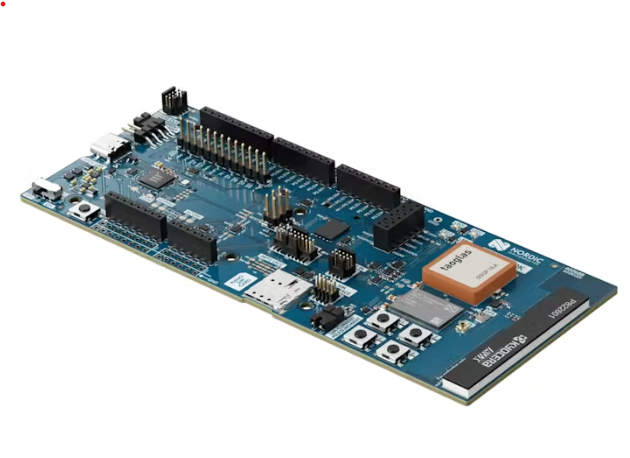
Exploring the Security and Performance Features of nRF9151: A Breakdown of Arm Cortex-M33, TrustZone, and CryptoCell
The newly developed System-in-Package (SIP) is a significant advancement for power-efficient cellular projects. It features a 64MHz Arm Cortex-M33 processor, LTE-M/NB-IoT cellular connectivity, and DECT NR+ connectivity, all integrated into a single chip. What sets this SIP apart is its...
Continue Reading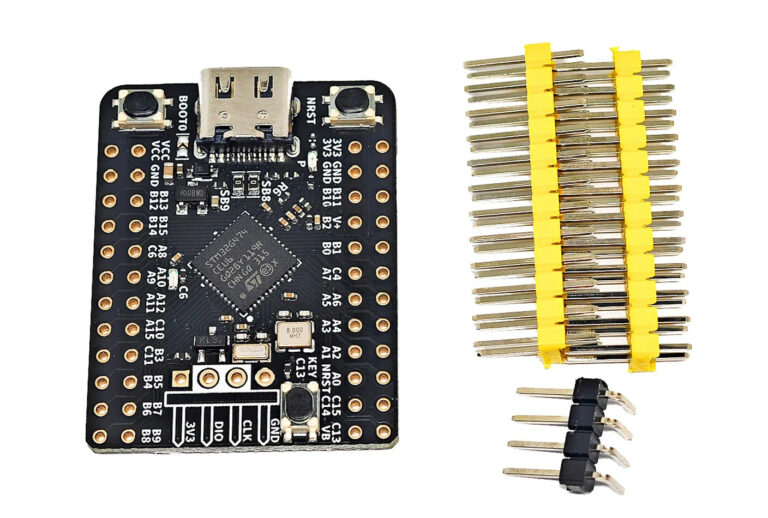
Introducing WeAct STM32G4: Tiny Development Board with Versatile Microcontroller Options
The WeAct STM32G4 is a compact development board that utilizes the STMicro STM32G4 Arm Cortex-M4F mixed-signal microcontroller. This microcontroller operates at a clock speed of 170 MHz and comes equipped with DSP (Digital Signal Processing) instructions, making it suitable for a wide...
Continue Reading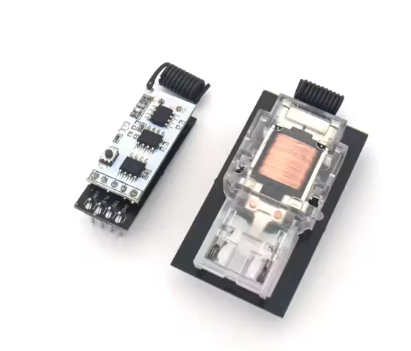
Questwise Ventures Introduces Energy-Harvesting Wireless Transmitter/Receiver for IoT Connectivity
Los Gatos-based Questwise Ventures has launched a new gadget that aims to deliver Internet of Things (IoT) connectivity without the need to power the transmitting side — by using an energy-harvesting push-button capable of driving its radio. Questwise Ventures, based in Los Gatos,...
Continue Reading