login
login




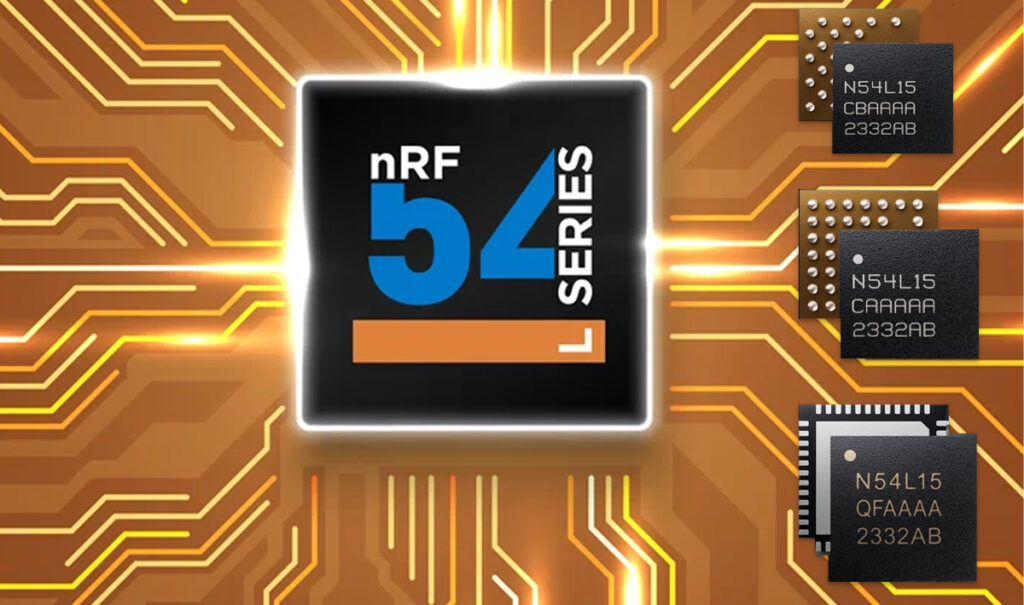
Nordic Semiconductor Introduces nRF54L Series for Superior IoT Performance and Security
Nordic Semiconductor has recently unveiled nRF54L15 a Cortex-M33 multi-protocol wireless microcontroller targeting a wide range of IoT applications such as smart home, industrial IoT, and medical devices. This series combines improved processing power, energy efficiency, and advanced...
Continue Reading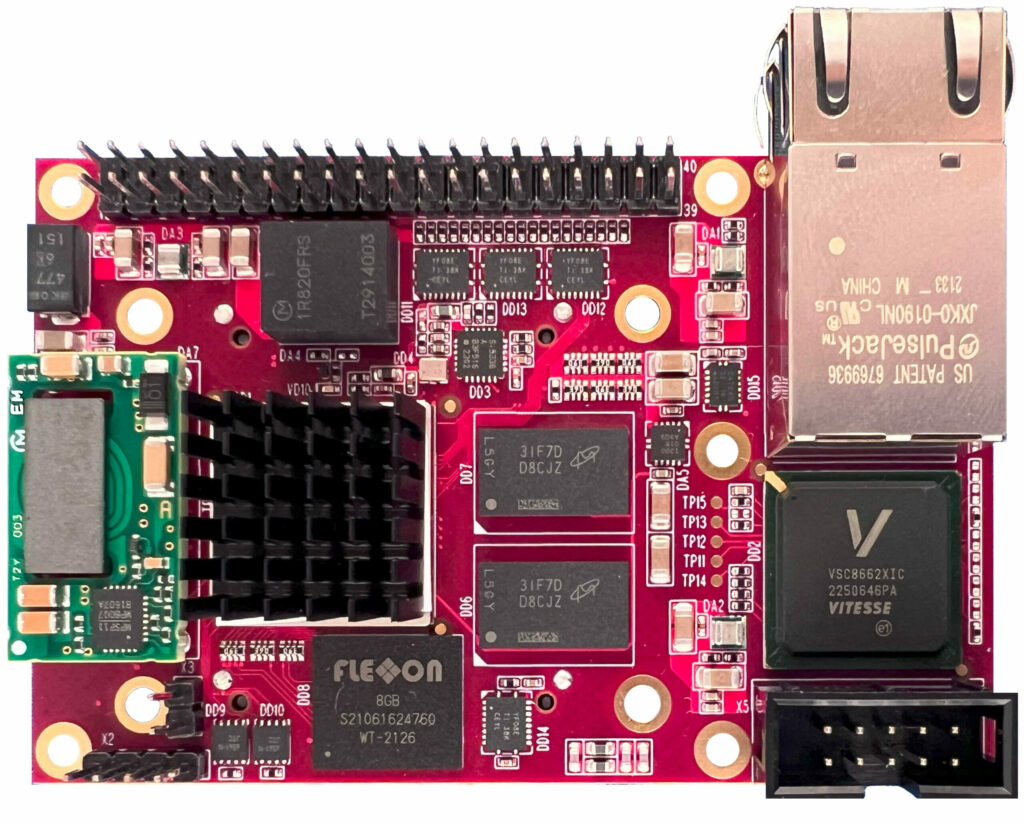
PolarBerry POE: Unleashing Unmatched Performance and Security for Smart, Connected Systems
We are excited to introduce the PolarBerry POE, a revolutionary System on Module (SOM) that redefines the boundaries of edge computing performance and security. Powered by Microchip’s PolarFire® SoC FPGAs, the PolarBerry POE flawlessly combines the unmatched flexibility of an FPGA...
Continue Reading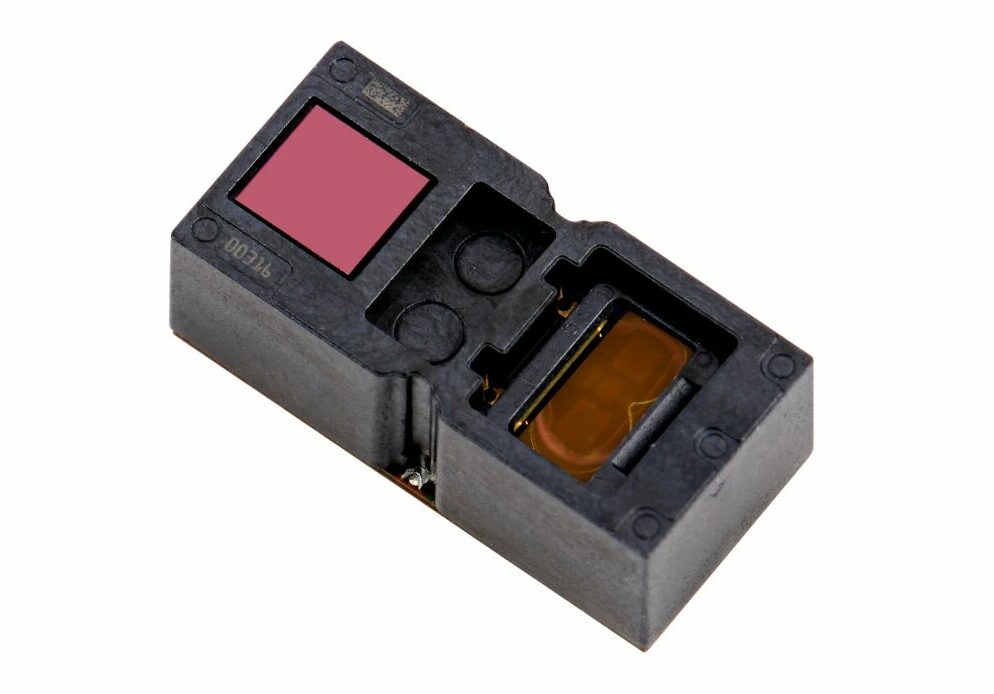
STMicroelectronics expands into 3D depth sensing with latest time-of-flight sensors
Highlights: Building on a leading position in direct Time-of-Flight sensors, with two billion FlightSense™ devices sold, ST reveals new direct and indirect Time-of-Flight sensors for key applications like camera assist, virtual reality, 3D webcam, robotics and smart...
Continue Reading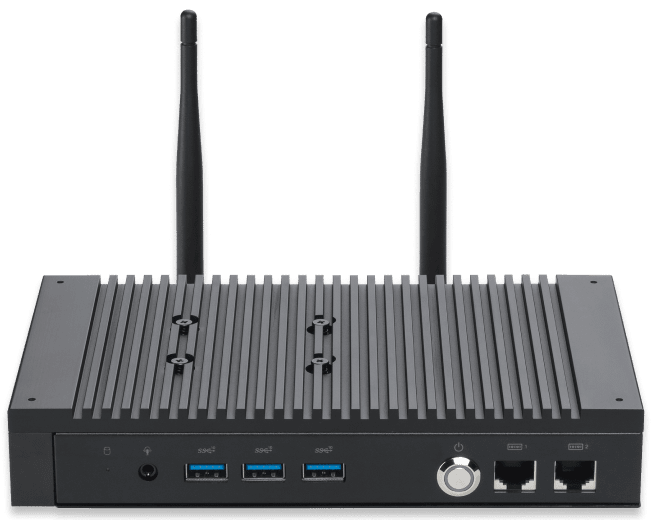
ASUS Mini PC PL64 – Ultra-Slim, Fanless Design with 12th Gen CPU, WiFi 6E, and Support for Triple 4K Displays
The ASUS Mini PC PL64 is a 12th Gen Intel Core processor-based fanless mini PC with up to 64GB DDR4 memory and dual PCIe 4.0 SSDs. Key features include dual COM and LAN ports, triple 4K HDMI display support, and Wi-Fi 6E connectivity. The device is available in three versions:...
Continue Reading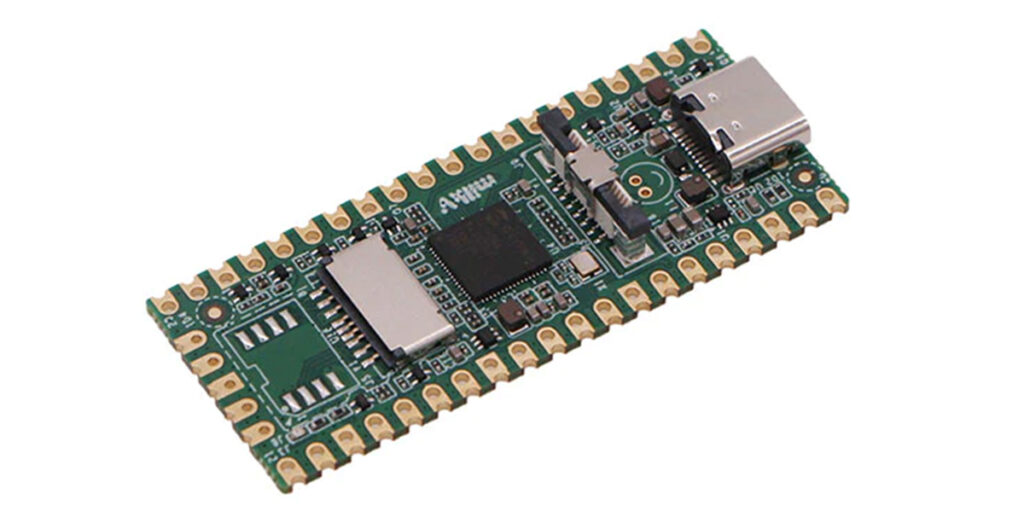
Milk-V Duo 256M is an SG2002-Powered Multi-Architecture SBC Priced at $7.99
The Milk-V Duo 256M is a compact board powered by the SOPHGO SG2002 SoC, integrating multiple architectures including Arm, RISC-V, and 8051. It has 256MB of built-in RAM and a 1 TOPS neural processing unit (NPU) for advanced computations. For storage, it features a microSD card slot....
Continue Reading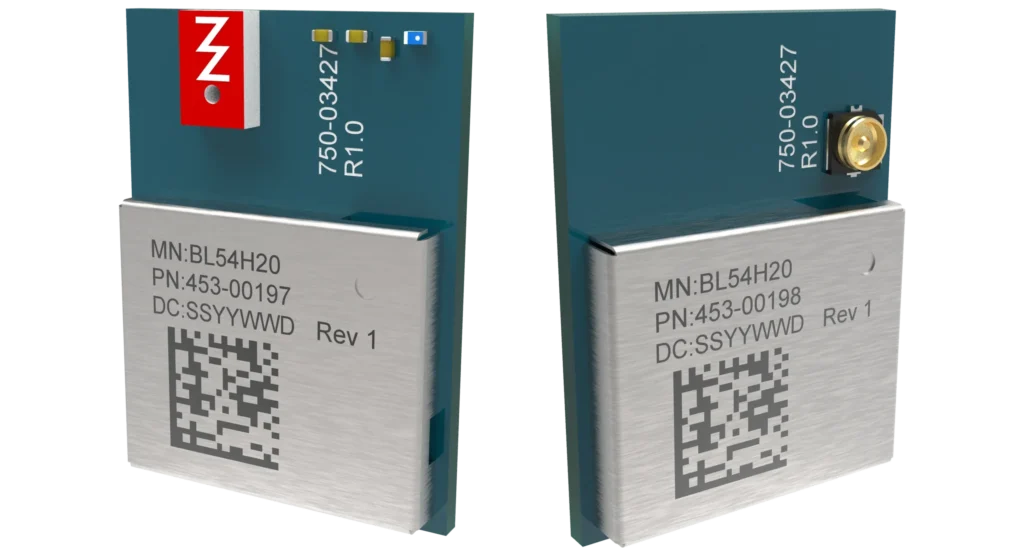
Laird Connectivity Wireless Modules Featuring Bluetooth LE 5.4, 802.15.4, NFC, and Multi-Core MCU Architecture
Laird Connectivity has launched new BL54L15 and BL54H20 Bluetooth LE modules. These are based on Nordic Semiconductor's nRF54 and support Bluetooth LE 5.4, 802.15.4, and NFC. The BL54L15 series, using Nordic's nRF54L15 SoC, improves on the nRF52 series with more power and memory. The...
Continue Reading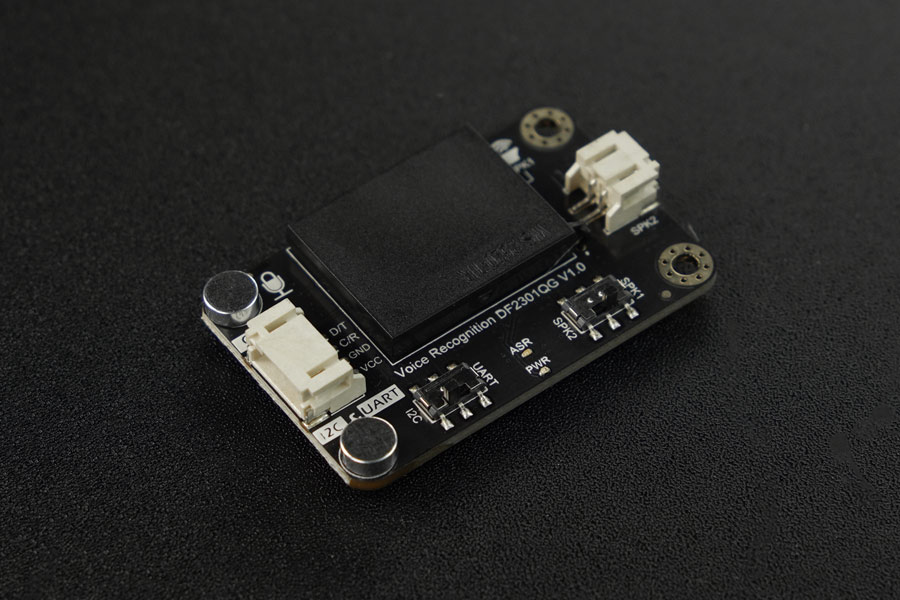
DFRobot Gravity – An Offline Voice Recognition Module for Arduino, Raspberry Pi, ESP32
The DFRobot Gravity is an offline voice recognition module, that can process up to 121 fixed and 17 customizable command words without internet connectivity. Designed for integration with Arduino, Raspberry Pi, and ESP32 platforms, it supports I2C and UART communication for diverse...
Continue Reading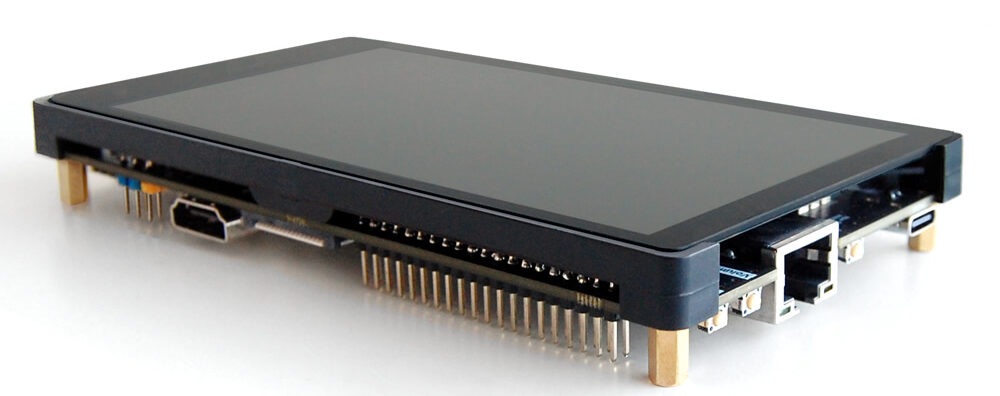
Vivid Unit – An RK3399-Based SBC with a Built-In Touchscreen Display
The Vivid Unit is an RK3399-based Single Board Computer (SBC) featuring a 5.5-inch touchscreen display, 4GB LPDDR4 RAM, and 32GB eMMC storage along with Ethernet, Wi-Fi (802.11b/g/n), and Bluetooth 4.1, USB 3.1 Gen1, HDMI, and a 40-pin GPIO harder. They were designed for smart home...
Continue Reading