login
login




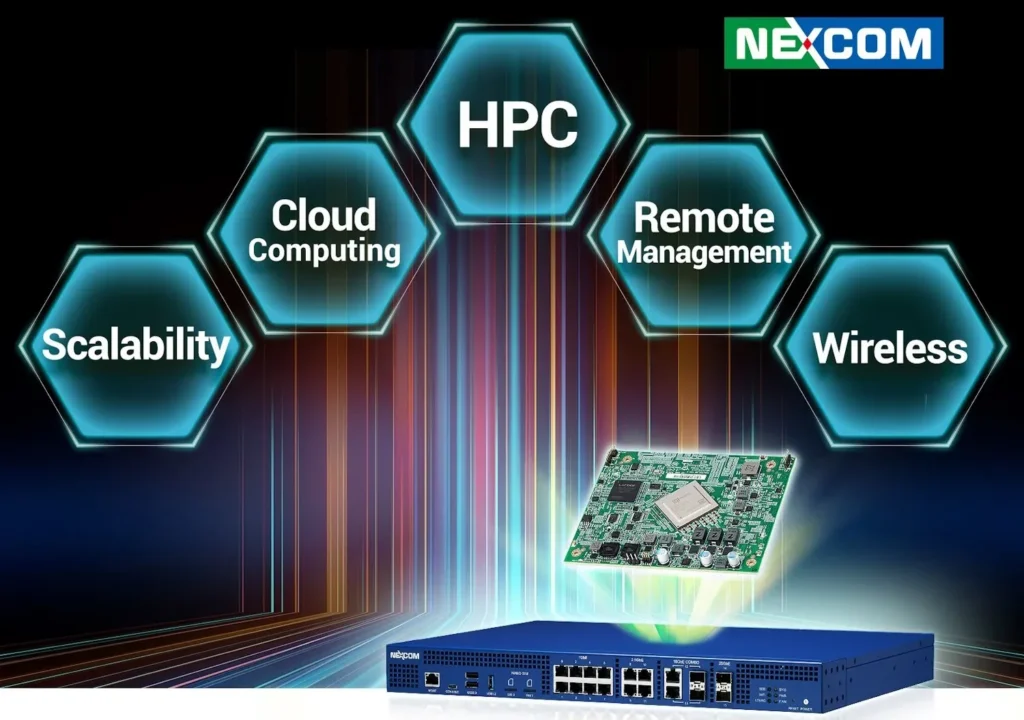
NEXCOM TCA 6710 – A 1U Rackmount Edge and Cloud Computing Solution Powered by Marvell OCTEON 10 Technology
The NEXCOM TCA 6710 is a 1U rackmount PC/server/AI Edge computer thingy, also referred to as an accessory, powered by the Marvell OCTEON 10 COM-HPC module. It features an 8-core 2.5GHz Armv9 Neoverse N2 processor with 25GbE ports for enhanced computing. Designed for scalable solutions,...
Continue Reading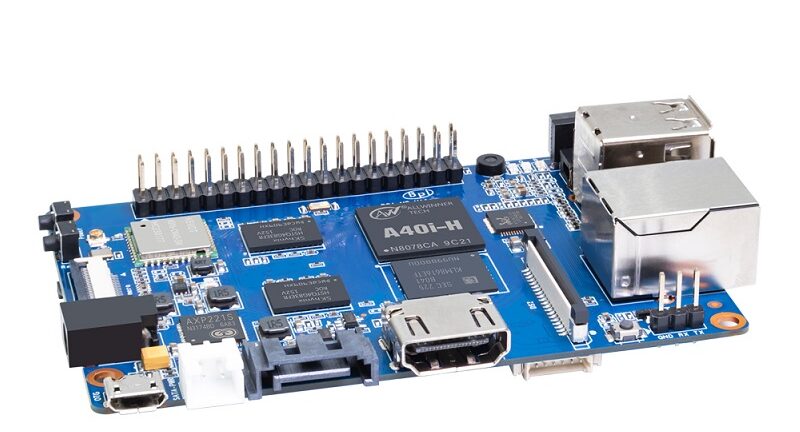
Banana Pi BPI-M2 Ultra – An Allwinner A40i-Powered SBC with SATA, WiFi, and Enhanced Media Performance
The Banana Pi BPI-M2 Ultra is an Allwinner A40i, Cortex-A7-based SBC which supports a wide -40°C to +85°C industrial temperature range. The SoC was first released in 2018, but the Banana Pi BPI-M2 Ultra is the first board to utilize this SoC. However, using an industrial-grade SoC...
Continue Reading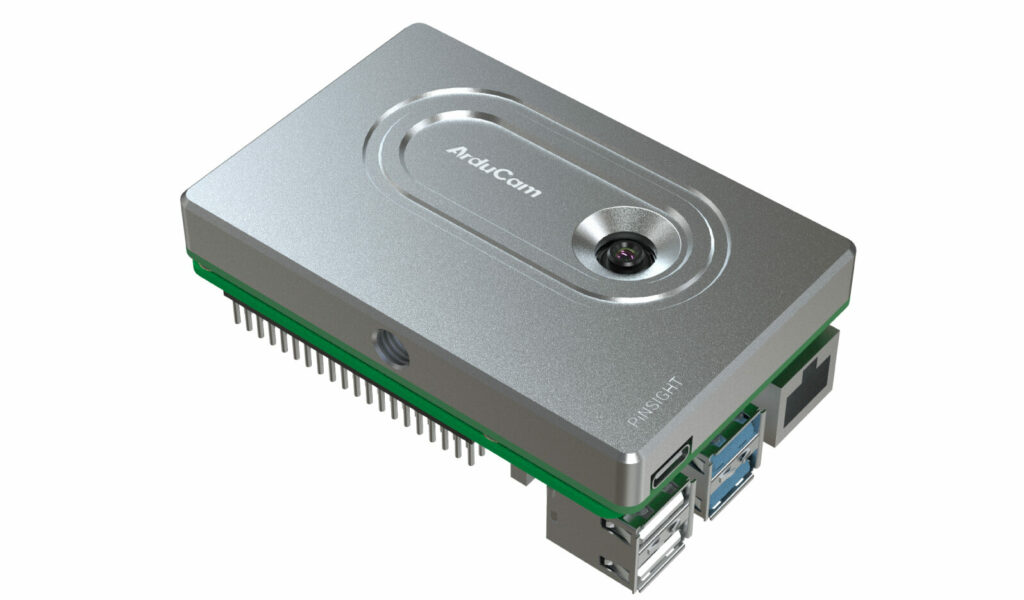
ArduCam PiNSIGHT is An AI Camera Board for the New Raspberry Pi 5
Arducam PiNSIGHT is a 12.3MP auto-focus enabled AI camera board designed to work with the new Raspberry Pi 5 module. It features a Luxonis OAK-SoM, enabling it to run local computer vision algorithms with a processing power of 4 TOPS. The PiNSIGHT AI Mate is mounted beneath the...
Continue Reading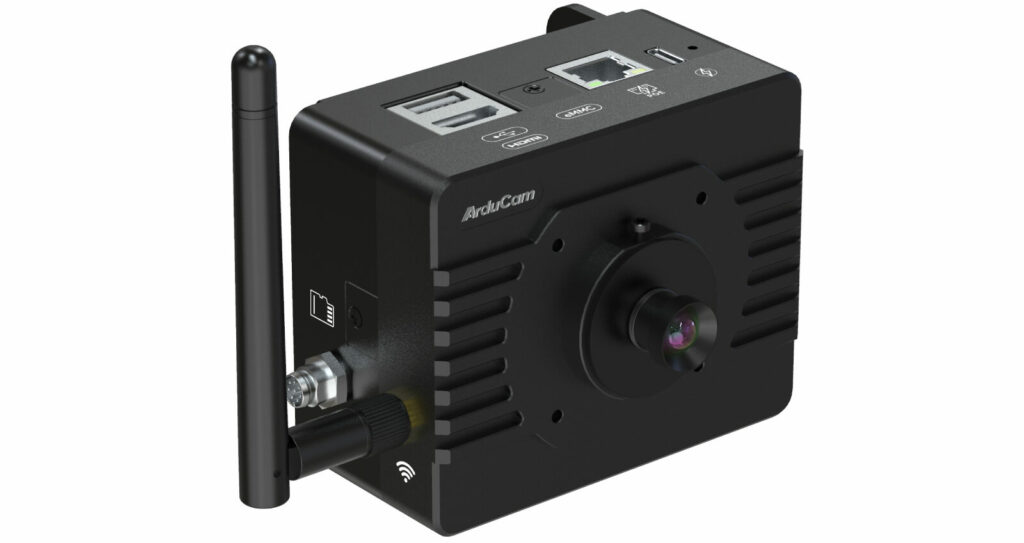
ArduCam KingKong – An RPi CM4-Based AI Edge Camera That Combines OAK-SoM
Arducam has recently announced the ArduCam KingKong a Raspberry Pi CM4-based Smart Edge AI camera based on Luxonis OAK-SoM all housed in a compact metal casee. This camera module is similar to the Raspberry Pi 5-powered Arducam PiINSIGHT camera which we've written about in a previous...
Continue Reading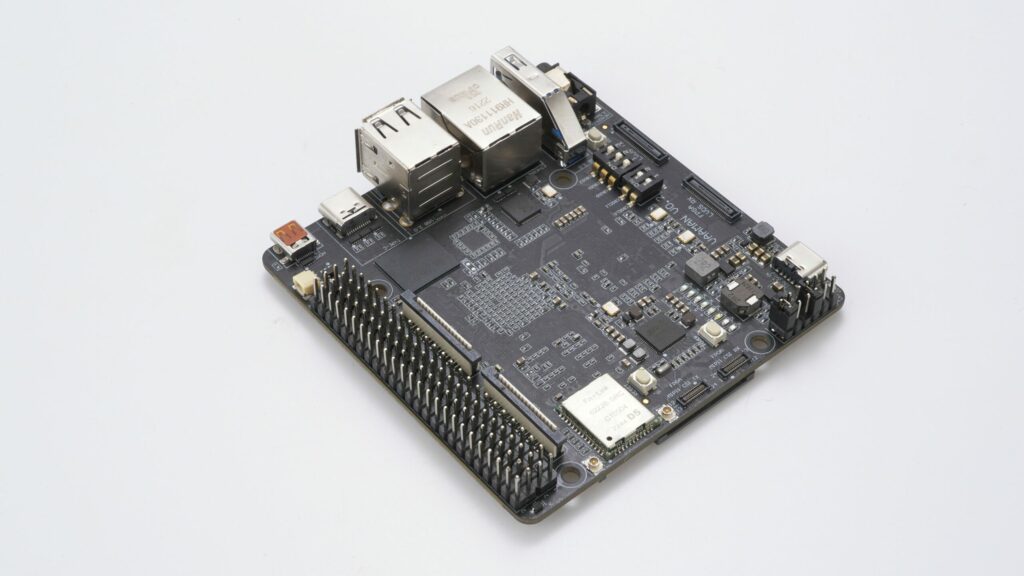
Vaaman is an RK3399-Powered SBC with Efinix Trion T120 FPGA
The Vaaman is an RK3399-powered SBC that also includes an Efinix Trion T120 FPGA onboard. The RK3399 SoC can be used for powerful yet energy-efficient computing where as the Efinix Trion T120 FPGA can be used for customizable hardware acceleration. The board is powered by a Rockchip...
Continue Reading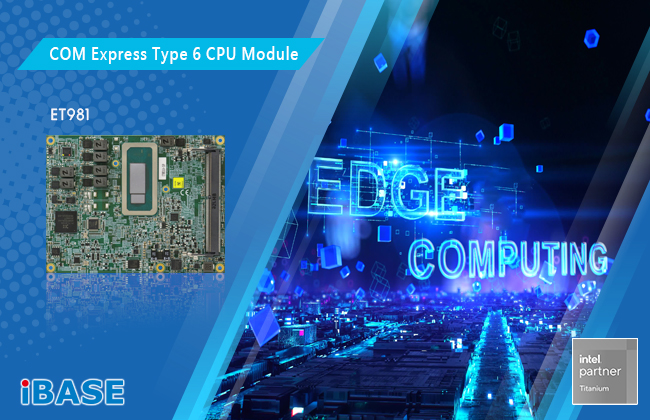
IBASE Debuts ET981 COM Express Type 6 CPU Module
IBASE Technology Inc. , a leading embedded computing provider, debuts the ET981 COM Express Type 6 (3.0) CPU module. Designed to excel in industrial, medical, transportation, and edge computing applications, the ET981 harnesses the power of 13th Gen Intel® Core™ processors,...
Continue Reading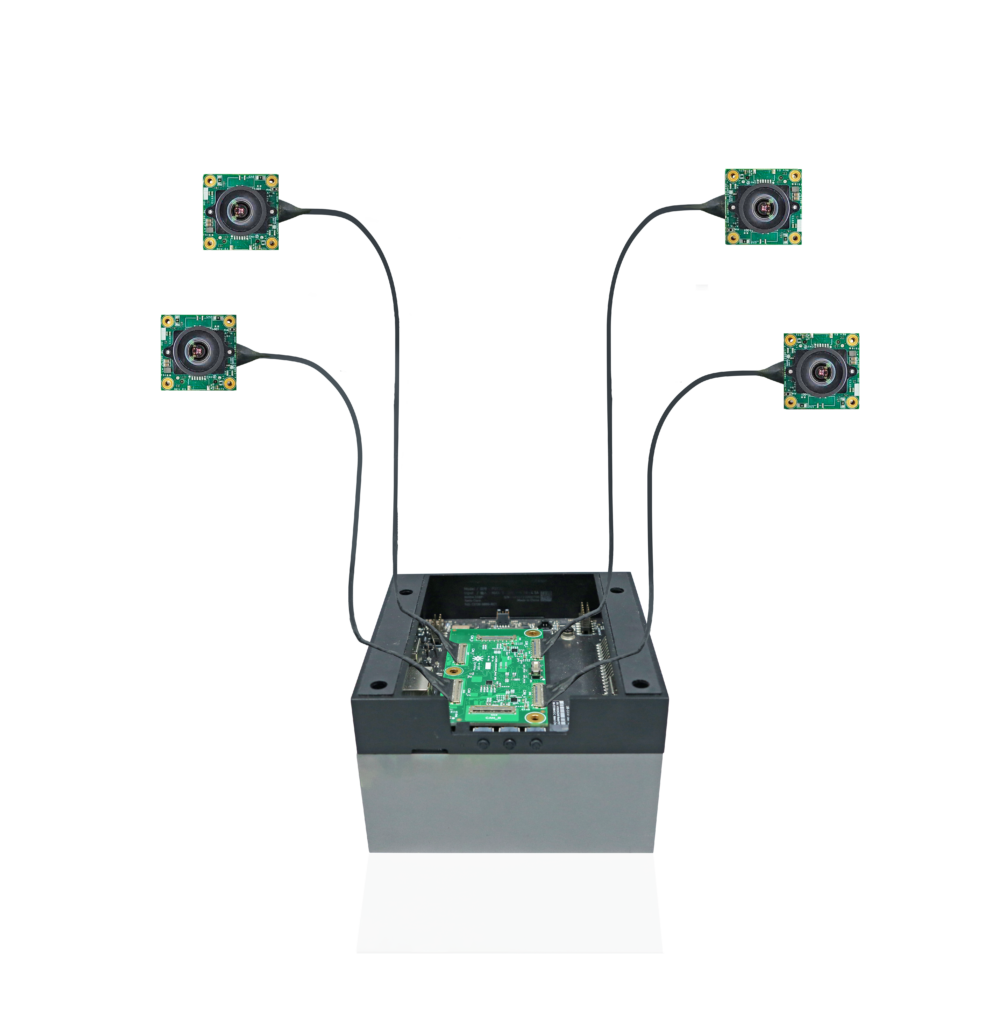
e-con Systems launches New High Resolution Global Shutter Camera: Precision Imaging at High Frame Rate
e-con Systems™, a global leader in embedded vision solutions, introduces a 5MP Global shutter Color camera — e-CAM56_CUOAGX, the latest addition to its esteemed Sony® Pregius S camera series for NVIDIA Jetson Orin. e-CAM56_CUOAGX is engineered to capture fast-moving objects at...
Continue Reading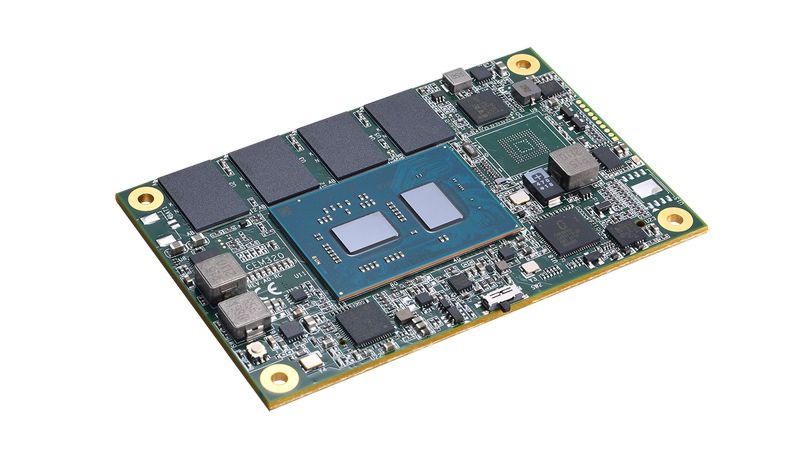
Axiomtek’s CEM320 Delivers Optimized Processing and Graphics Performance with Low Power Consumption
Axiomtek – a world-renowned leader relentlessly devoted to the research, development, and manufacture of a series of innovative and reliable industrial computer products of high efficiency – is pleased to introduce the CEM320, a new addition to its lineup of COM Express Type 10...
Continue Reading