login
login




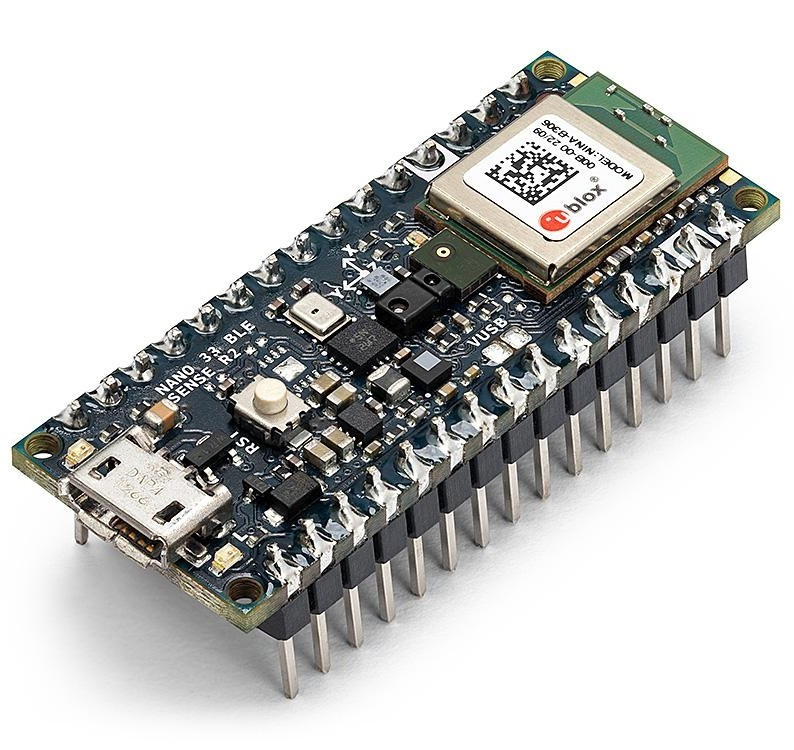
Introducing Arduino Nano 33 BLE Rev2: Enhanced Hardware and Performance Upgrades
The Arduino Nano 33 BLE Rev2 is an updated version of the popular Arduino Nano 33 BLE board. It has several improvements, including dual-IMU (Inertial Measurement Unit) support for better motion sensing, an upgraded power supply for improved performance, and other enhancements. Despite...
Continue Reading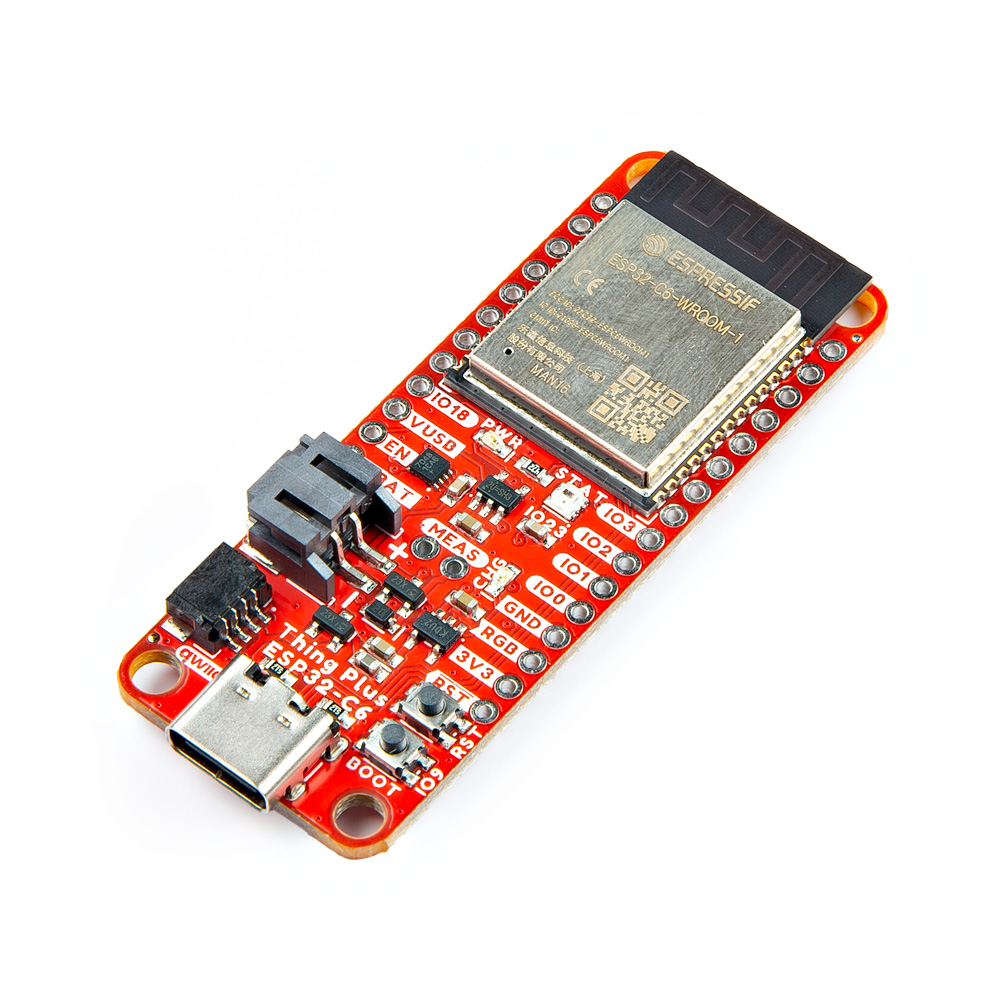
SparkFun Introduces ESP32-C6 Thing Plus: Revolutionizing IoT Projects
The SparkFun ESP32-C6 Thing Plus is expected to bring significant advancements to IoT projects due to its user-friendly design, advanced features, and seamless connectivity capabilities. Located in Boulder, Colorado, SparkFun Electronics has officially launched the ESP32-C6 Thing Plus,...
Continue Reading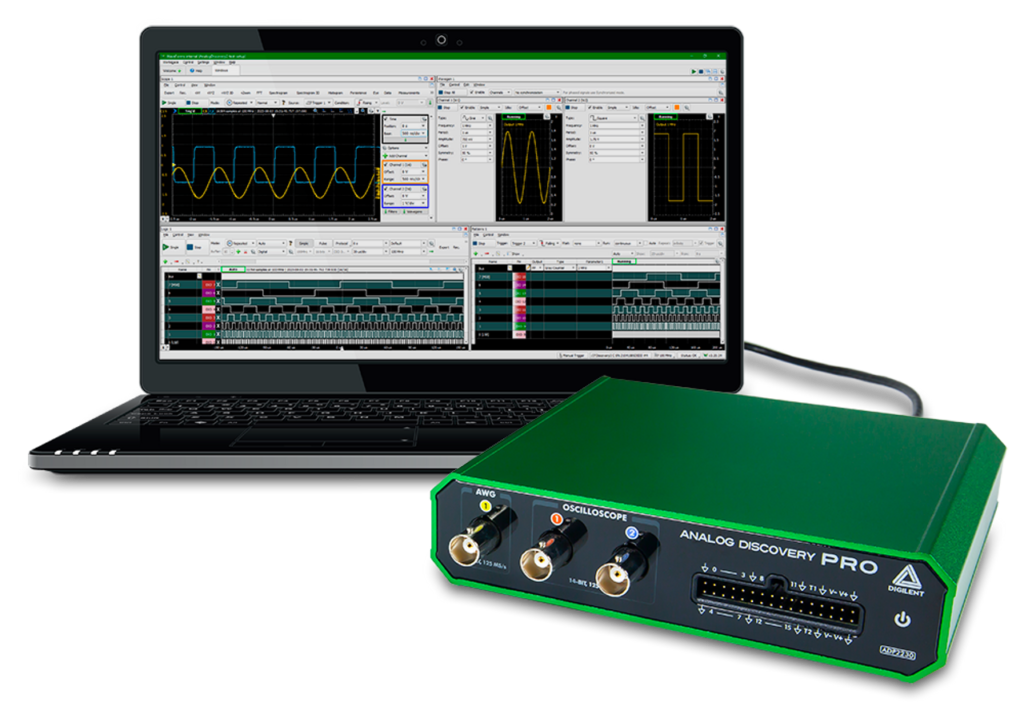
Analog Discovery Pro ADP2230 – USB Oscilloscope with Waveform Generator, Logic Analyzer, and Variable Power Supply Available for $749.00
The ADP2230 has 16 digital input/output channels that work with 3.3 V CMOS, can sample up to 125 MS/s, and buffer up to 128 MS per channel. It also includes an analog output channel with a 15 MHz bandwidth and 14-bit resolution, capable of producing standard, modulated, and custom...
Continue Reading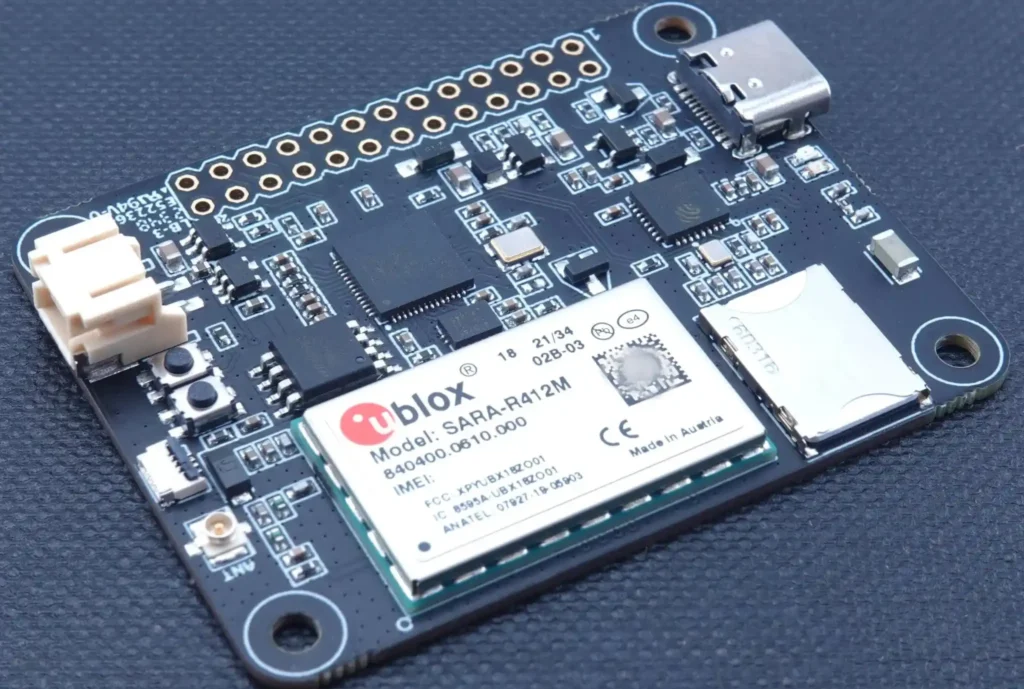
ILabs’ New RP2040 Connectivity Board Features u-blox SARA-R412M LTE (Cat M1/NB-IoT) and ESP32 Modules
ILabs' RP2040 Connectivity Board is an RP2040-based development board with u-blox SARA-R412M for LTE (Cat M1/NB-IoT) and Espressif's ESP32-C3FN4 for WiFi/BLE, designed for versatile IoT applications from remote monitoring to smart connected devices. We've covered various connectivity...
Continue Reading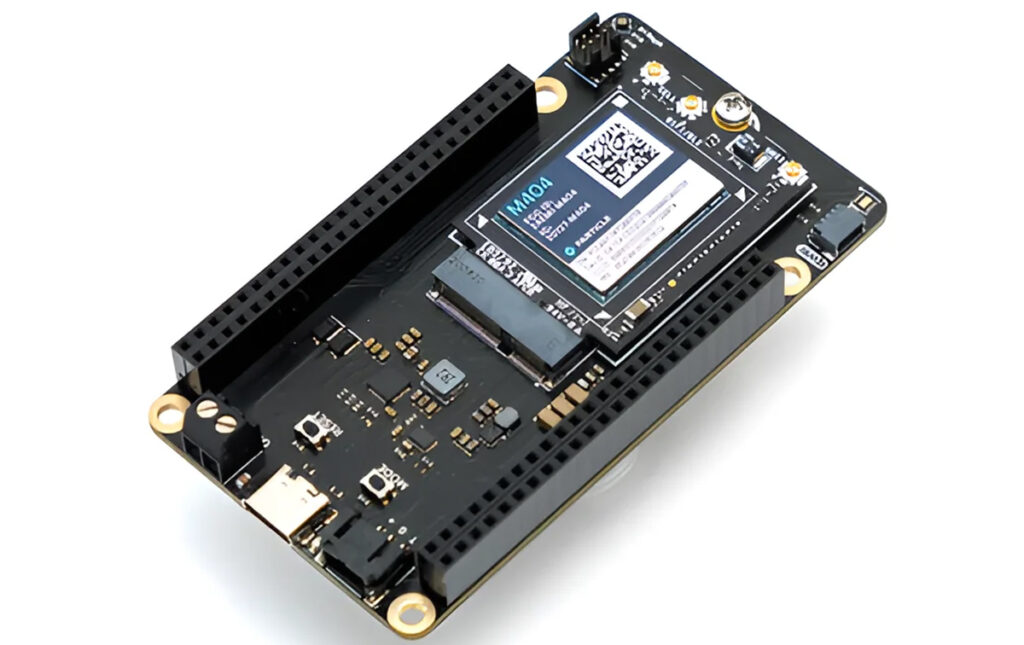
Particle Announces M-Series Muon Dev Board Featuring LoRaWAN and Satellite Connectivity Options
Particle has recently announced its multi-radio modules with support for Wi-Fi, cellular, LoRaWAN, and even satellite communications on a single device, which we have covered in our M-SoM modules article, but what we haven't written about is the Muon Dev Board which is the dev board...
Continue Reading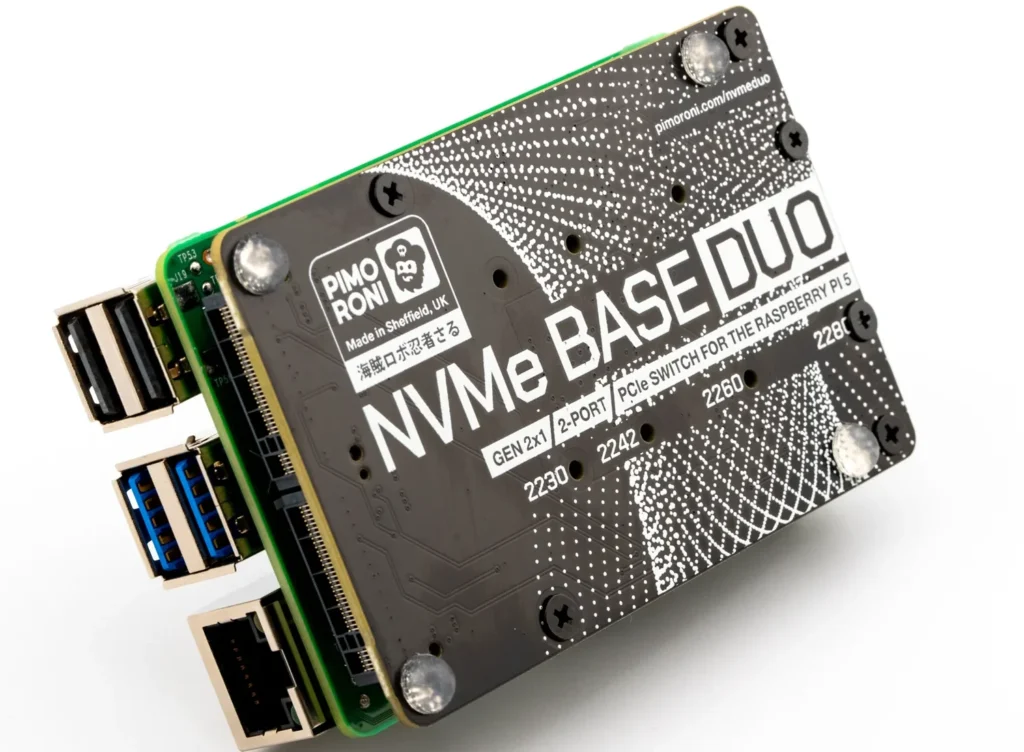
Pimoroni’s NVMe Base Duo Brings Dual SSD Support to the Pi 5
Pimoroni's NVMe Base Duo for Raspberry Pi 5, features dual M-key NVMe SSD that supports 2230 to 2280 SSDs while utilizing PCIe Gen 2 technology for fast storage speeds. With dual SSD support, this device is built for media centers and server applications. A few months ago, Pimoroni...
Continue Reading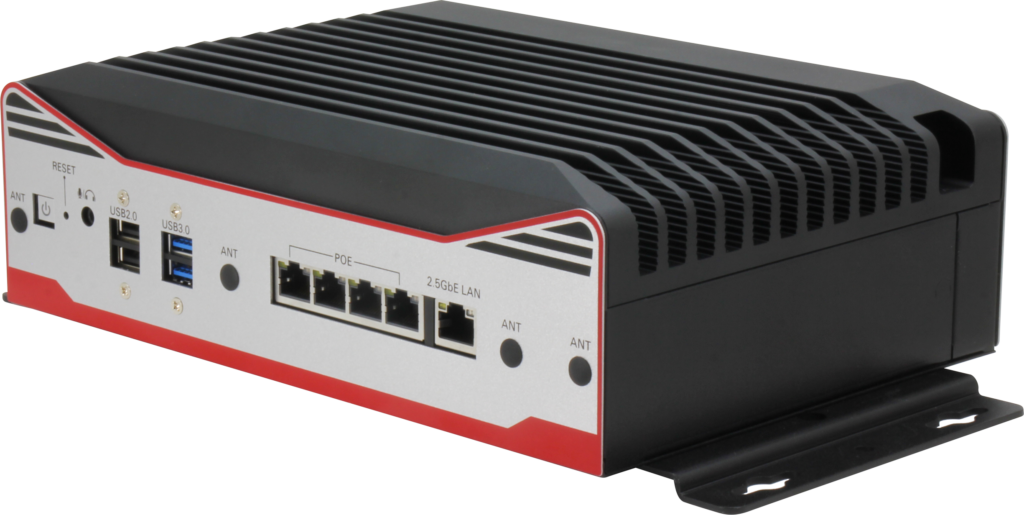
AAEON’s VPC-5640S Drives Innovation for Embedded In-Vehicle Solutions
Power, ruggedness, and versatility put the VPC-5640S in poll position in the race for the in-vehicle application market. AAEON, a leader in embedded edge platforms, introduces the VPC-5640S, a Multi-PoE & Fanless Appliance powered by the 12th Generation Intel® Core™...
Continue Reading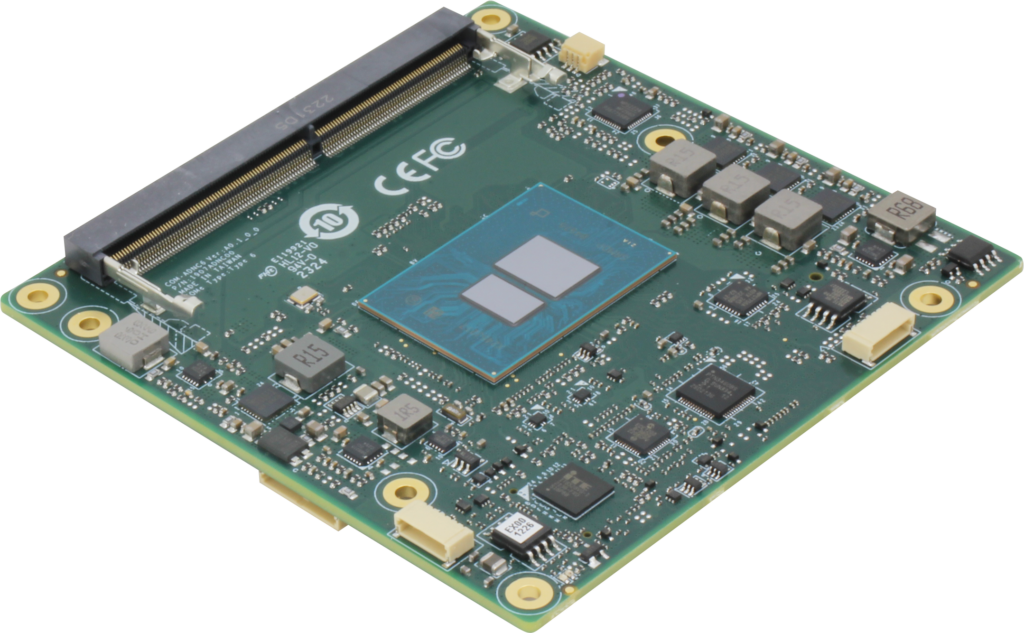
AAEON Unveils Intel-Powered COM Express Modules to Corner the Advanced Robotics and Edge Gateway Markets
The COM-RAPC6 and COM-ADNC6 offer diverse processor lineups, exceptionally versatile interfaces, and wide-temperature operation for the needs of any industrial project. AAEON, a leading provider of Computer-on-Modules, has today announced the launch of two new COM Express Type 6...
Continue Reading