login
login




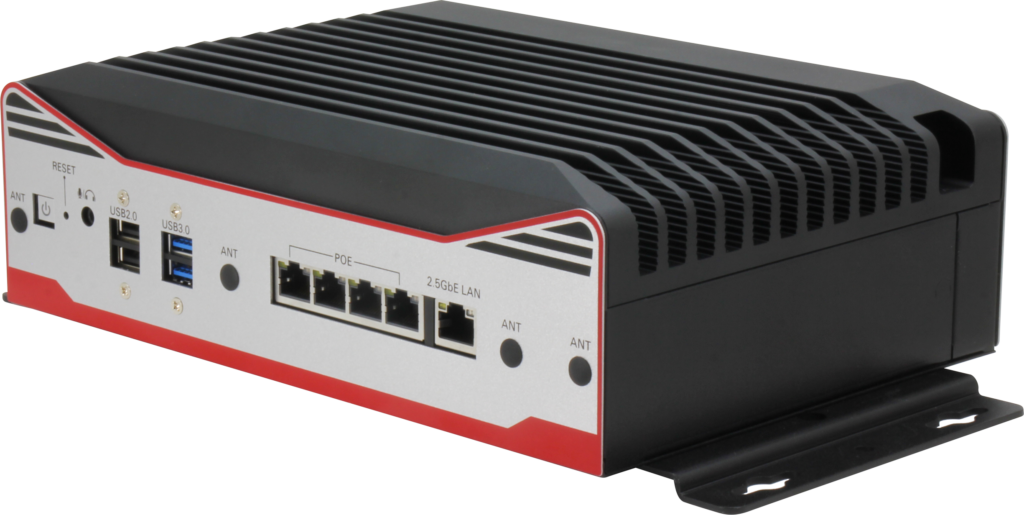
AAEON’s VPC-5640S Drives Innovation for Embedded In-Vehicle Solutions
Power, ruggedness, and versatility put the VPC-5640S in poll position in the race for the in-vehicle application market. AAEON, a leader in embedded edge platforms, introduces the VPC-5640S, a Multi-PoE & Fanless Appliance powered by the 12th Generation Intel® Core™...
Continue Reading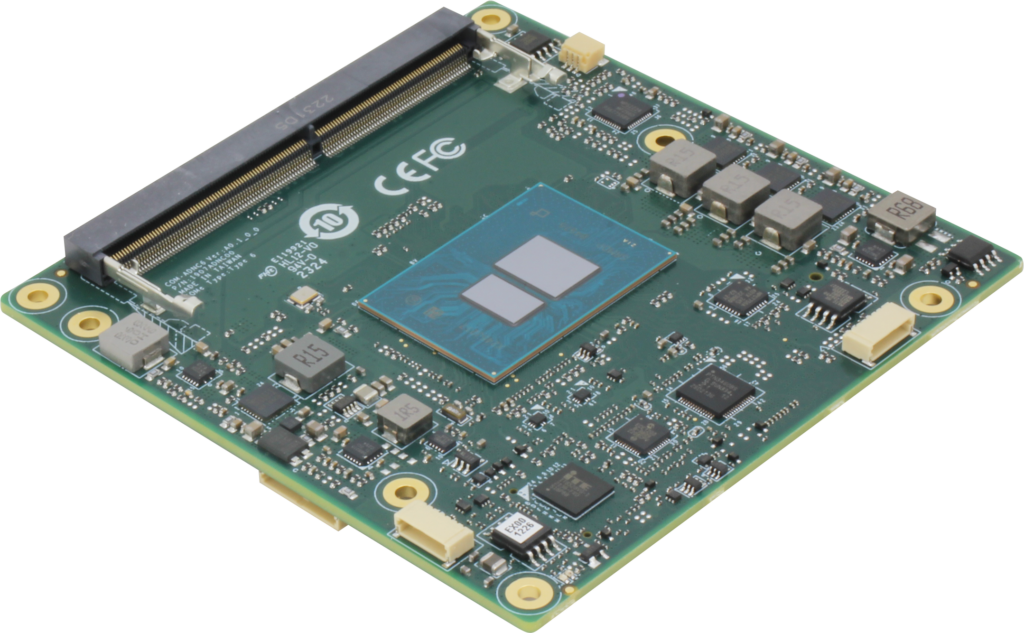
AAEON Unveils Intel-Powered COM Express Modules to Corner the Advanced Robotics and Edge Gateway Markets
The COM-RAPC6 and COM-ADNC6 offer diverse processor lineups, exceptionally versatile interfaces, and wide-temperature operation for the needs of any industrial project. AAEON, a leading provider of Computer-on-Modules, has today announced the launch of two new COM Express Type 6...
Continue Reading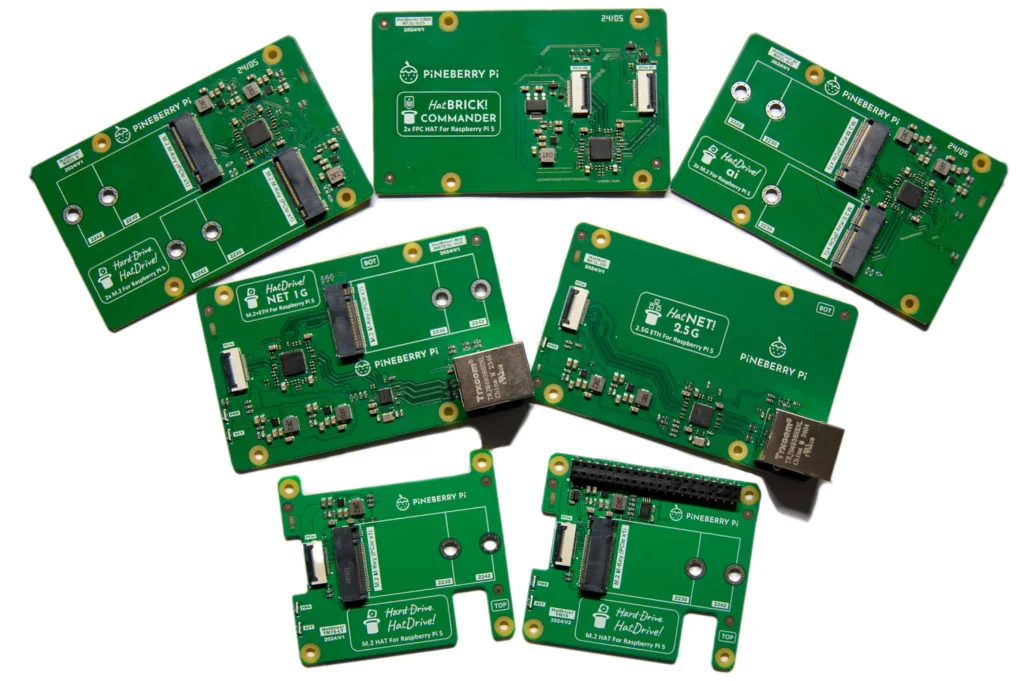
Pineberry Pi Launches New Range of Expansion Boards for Raspberry Pi 5 with Enhanced AI, Storage, and Networking Capabilities
Pineberry Pi has recently introduced five new HATs with PineBerry Pi HAT+ standard for the new Raspberry Pi 5 boars which are the HatDrive! AI, the HatDrive! Dual, the HatBRICK! Commander, the HatDrive! NET 1G, and HatNET! 2.5G. these boards offer various PCIe (NVMe/AI modules) and...
Continue Reading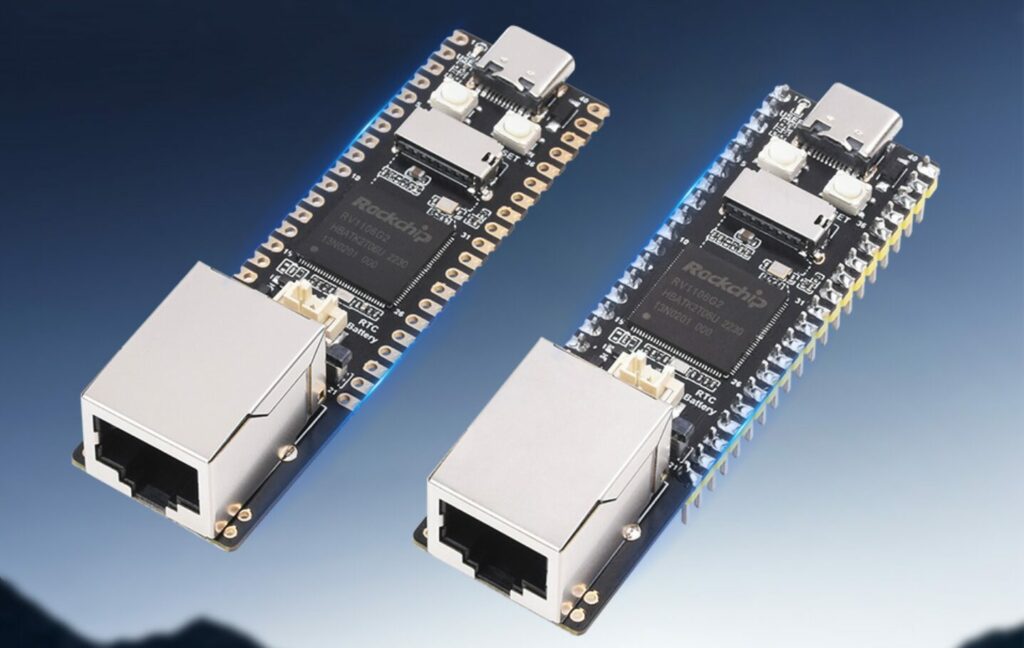
LuckFox Pico Pro and Pico Max – Tiny and Powerful IoT Development Boards with RV1106 SoC
Chinese manufacturer LuckFox has recently introduced two new development boards, the LuckFox Pico Pro and the Luckfox Pico Max. Both boards are built upon the Rockchip RV1106 SoC and offer a Linux-based development platform for IoT applications. The RV1106 SoC powers the board,...
Continue Reading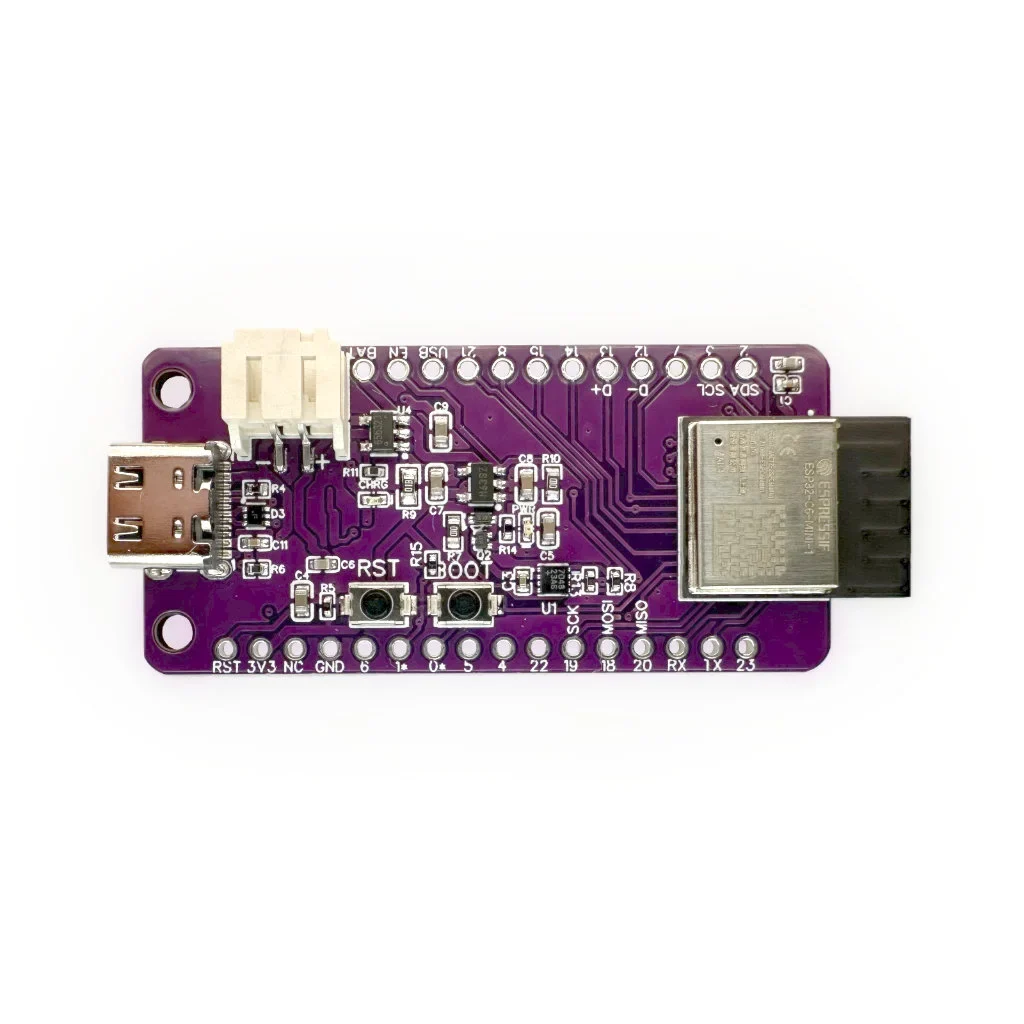
ePulse Feather C6 – An ESP32-C6 Based Dev Board with WiFi, BLE, Zigbee, Thread & Matter Capabilities
ThingPulse has recently released the ePulse Feather C6, an ESP32-C6-based development board with WiFi 6, BLE5, Zigbee, Thread, and Matter connectivity. In my personal opinion, the “Feather” came from the Adafruit Feather as this board resembles the Adafruit form factor....
Continue Reading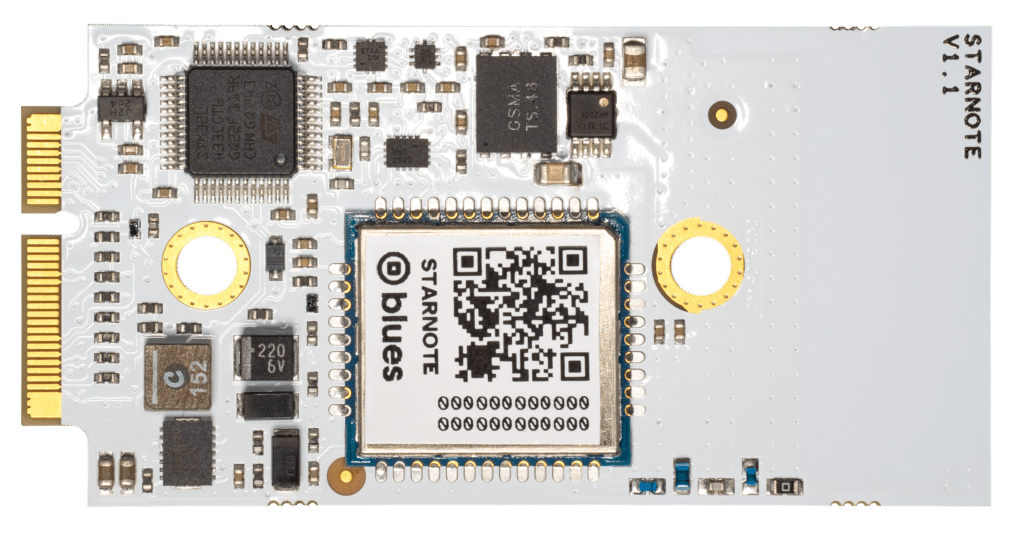
Blues and Skylo Technologies Unveil Starnote – A Satellite IIoT module that costs only $49
Blues and Skylo Technologies have partnered to create the Starnote Satellite IIoT module, a backup module that costs only $49. It's a backup module meaning it will connect to a satellite connection when cellular or Wi-Fi isn’t available. The module is built in an M.2 E-Key edge...
Continue Reading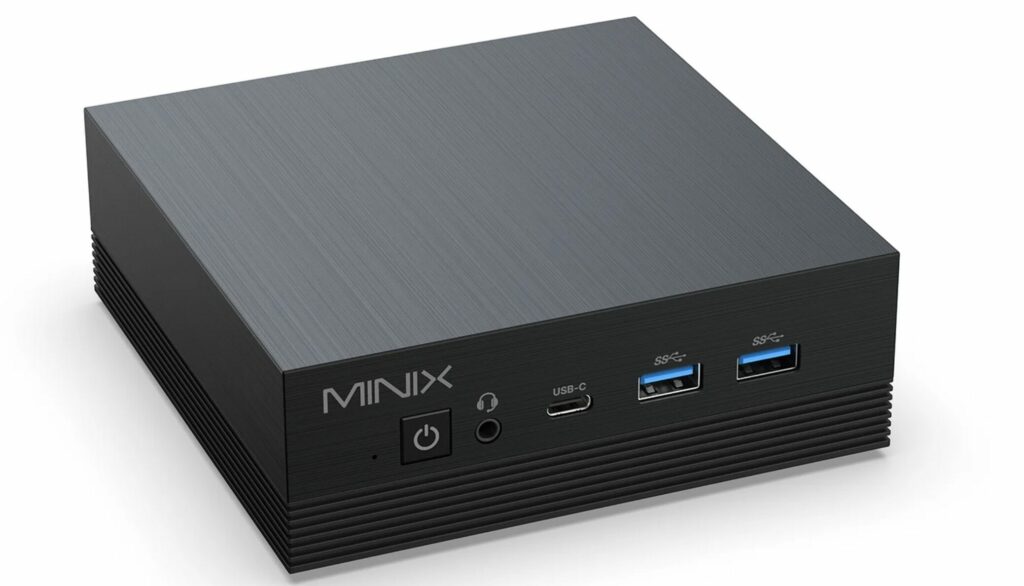
MINIX Z100-AERO – An Intel N100-Powered Mini PC with Triple 4K Display and Dual Ethernet Support
MINIX recently introduced the MINIX Z100-AERO Mini PC, featuring an Intel N100 processor and active cooling. This compact PC supports triple 4K displays and offers dual Ethernet connectivity with 1Gbps and 2.5Gbps speeds. Last time we wrote about the MINIX Z100-0dB Mini PC which is a...
Continue Reading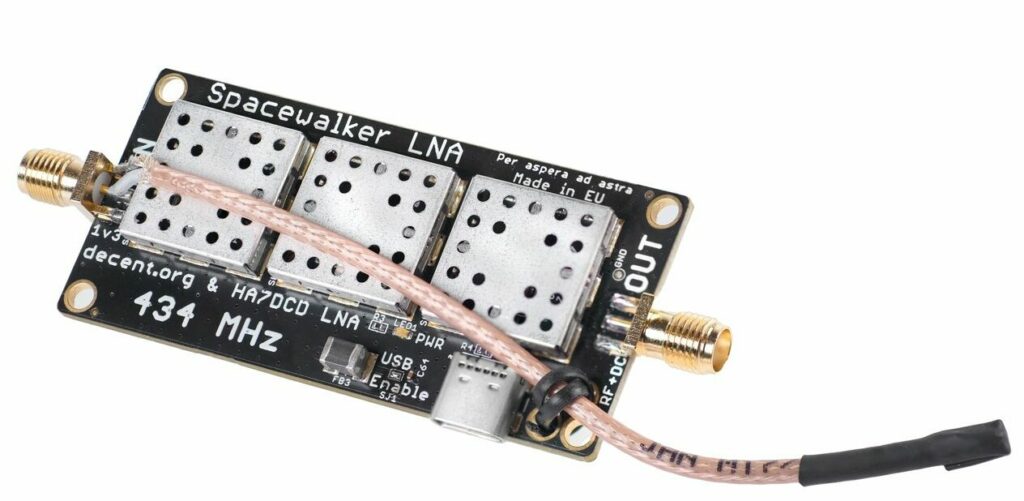
Spacewalker LNA 434 MHz is Designed to Improved Satellite Signal Reception
The Spacewalker LNA 434 MHz is a specialized Low-Noise Amplifier designed to improve reception of 70 cm band CubeSat signals, particularly in urban areas with high RF interference. It features Qorvo QPL9547 LNA ICs for effective amplification, includes double amplification and...
Continue Reading