login
login




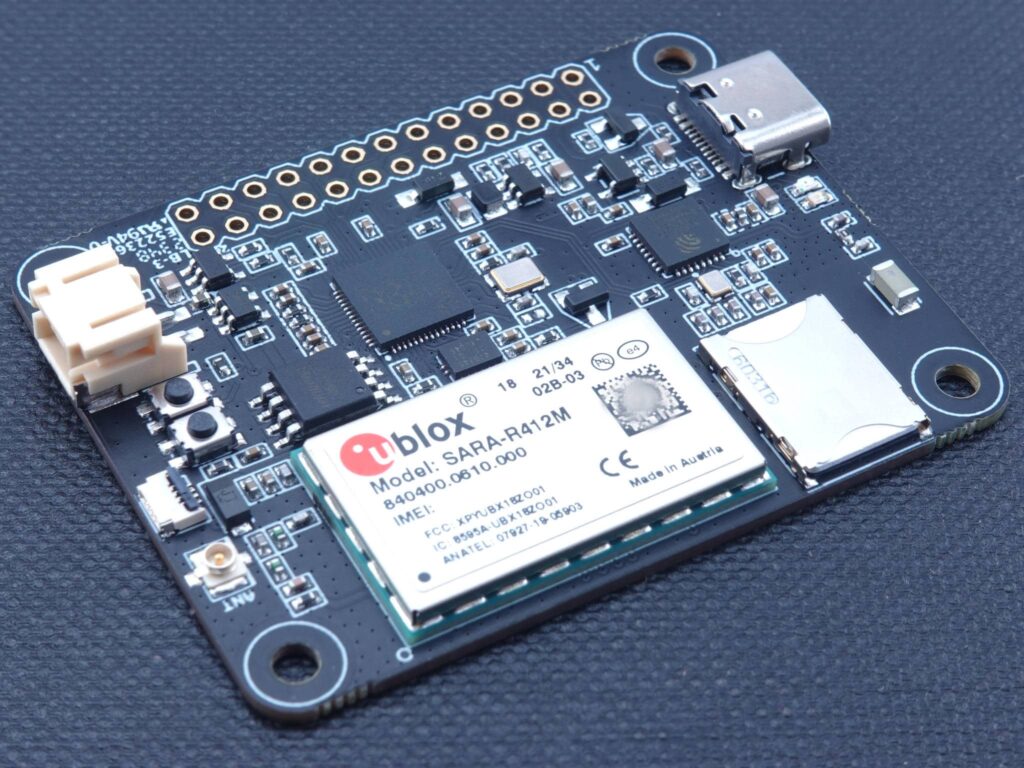
ILABS’ RP2040 Board Empowers IoT with Wi-Fi, BLE, and Cellular Support
ILABS, a leading European embedded electronics specialist, has unveiled the RP2040 Connectivity Board, a feature-rich development board centered around Raspberry Pi's cost-effective RP2040 microcontroller unit (MCU). This board is designed to offer comprehensive connectivity solutions...
Continue Reading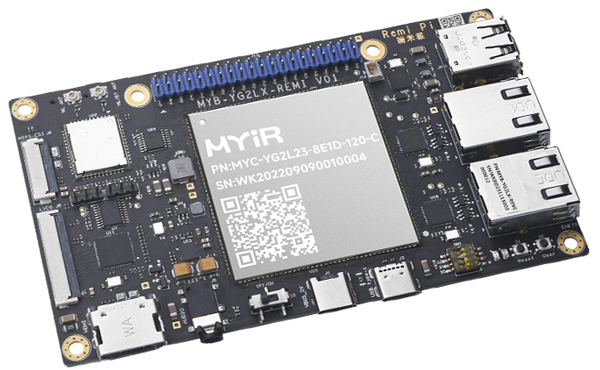
MYIR Unveils $55 Remi Pi Computer Board Powered by Renesas RZ/G2L MPU
MYIR has launched the Remi Pi, a unique and compact computer board that offers an affordable solution based on the Renesas RZ/G2L MPU, which takes into account the needs of serious product development and hobbyist creativity. The Remi Pi leverages the RZ/G2L, a dual-core Arm Cortex-A55...
Continue Reading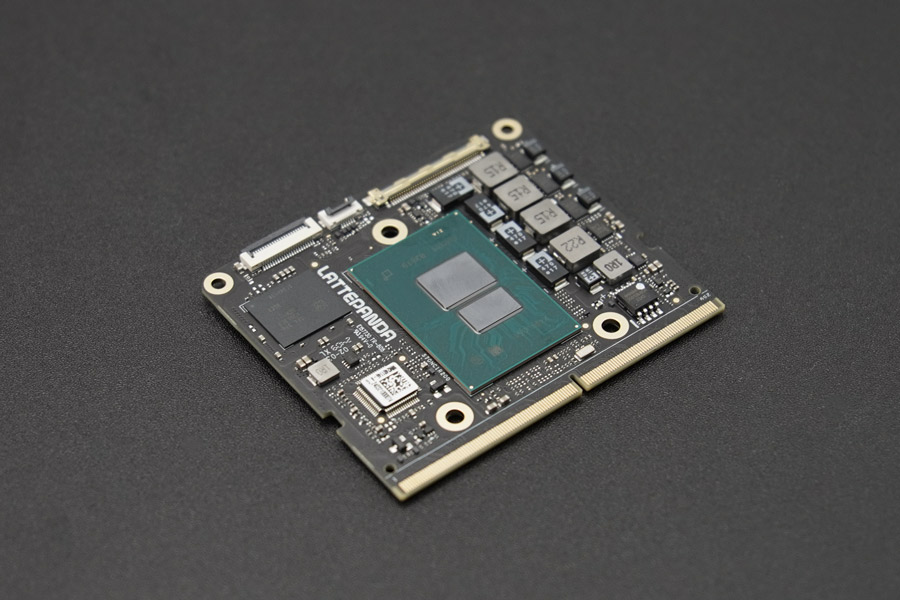
LattePanda Team Launches LattePanda Mu – a Micro x86 Compute Module for Custom Design Solutions
The LattePanda team launched the LattePanda Mu, an exceptional micro x86 compute module poised to swiftly empower custom design solutions. With an Intel N100 CPU, it is compatible with Windows and Linux operating systems. The LattePanda Mu demonstrates superior CPU performance compared...
Continue Reading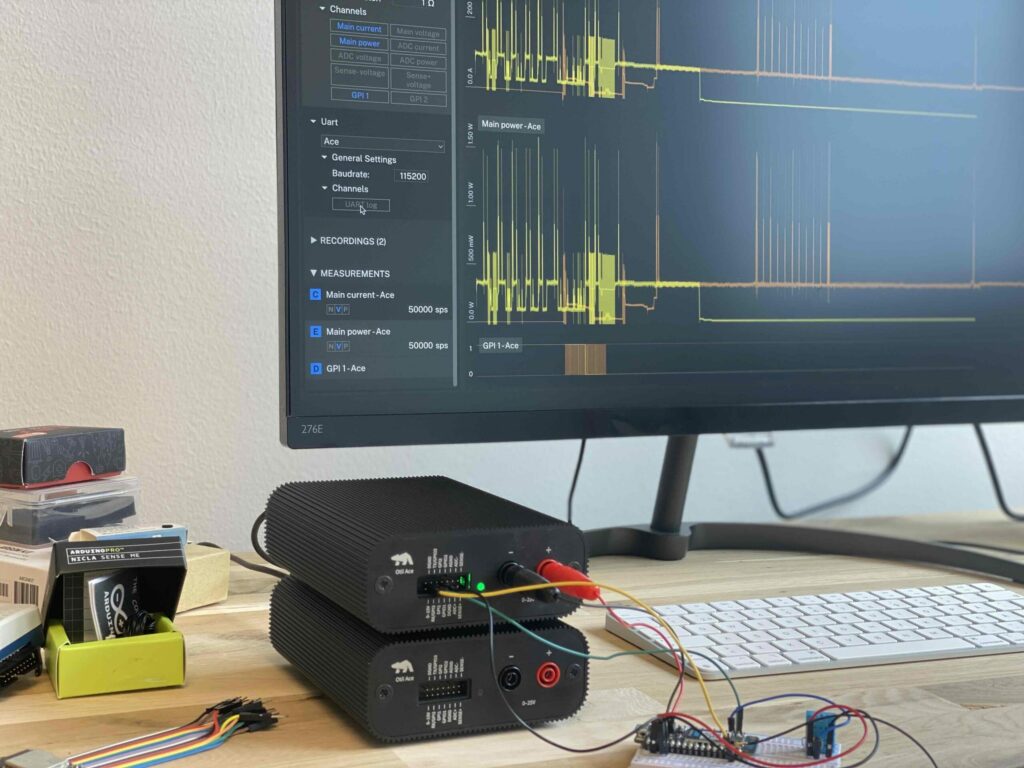
Qoitech ends 199 USD annual Pro subscription for IoT power analysis and optimization tools
Qoitech, a manufacturer of power analysis and optimization tools for embedded systems, has ended its $199 per annum license subscription previously charged for the Pro version of its software suite as it upgrades this to Otii Software 3.5. All the advanced Pro features for Otii Ace and...
Continue Reading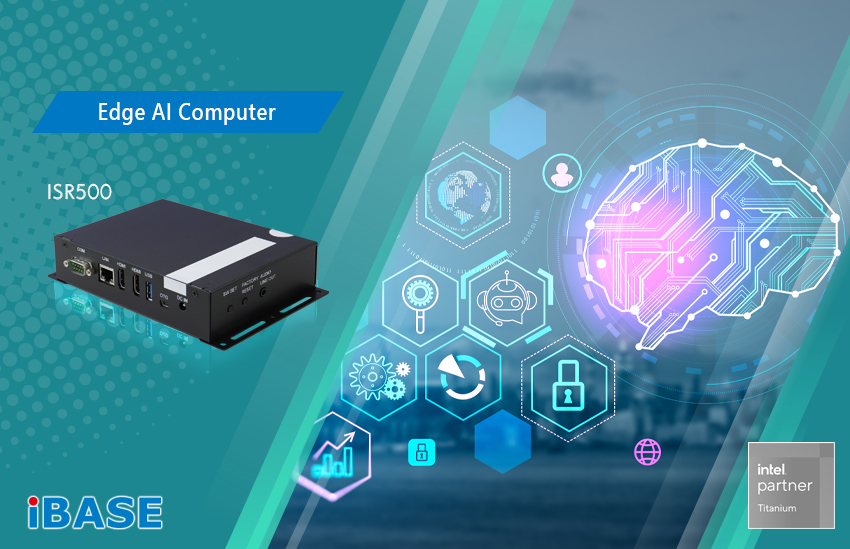
IBASE Showcases MediaTek Genio-based Edge AI Computer at Embedded World 2024
IBASE Technology Inc., a renowned provider in the design and manufacturing of edge computing solutions, will showcase its MediaTek Genio-based ISR500 rugged edge AI computer at Embedded World 2024, April 9-11, 2024. Feel free to visit IBASE booth 3-351 in Hall 3 for a closer look at the...
Continue Reading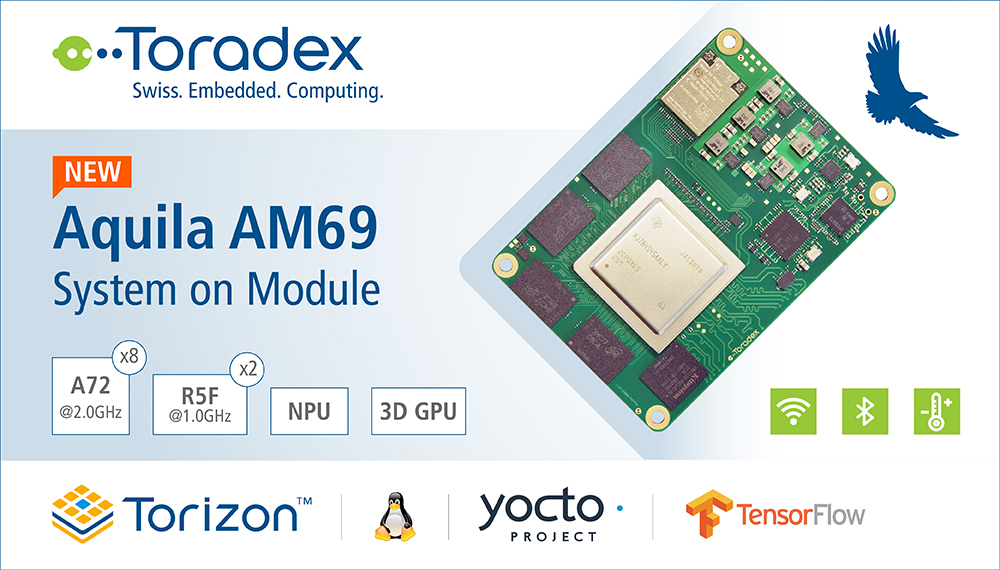
High Performance. Future-Proof. Empowering Next-Gen AI
Toradex, a leading embedded systems solutions provider, has launched its newest family of pin-compatible and scalable System on Modules (SoMs) - Aquila. Aquila is tailored for demanding applications in the fields of medical, industrial and robotics. Engineered with a focus on rugged...
Continue Reading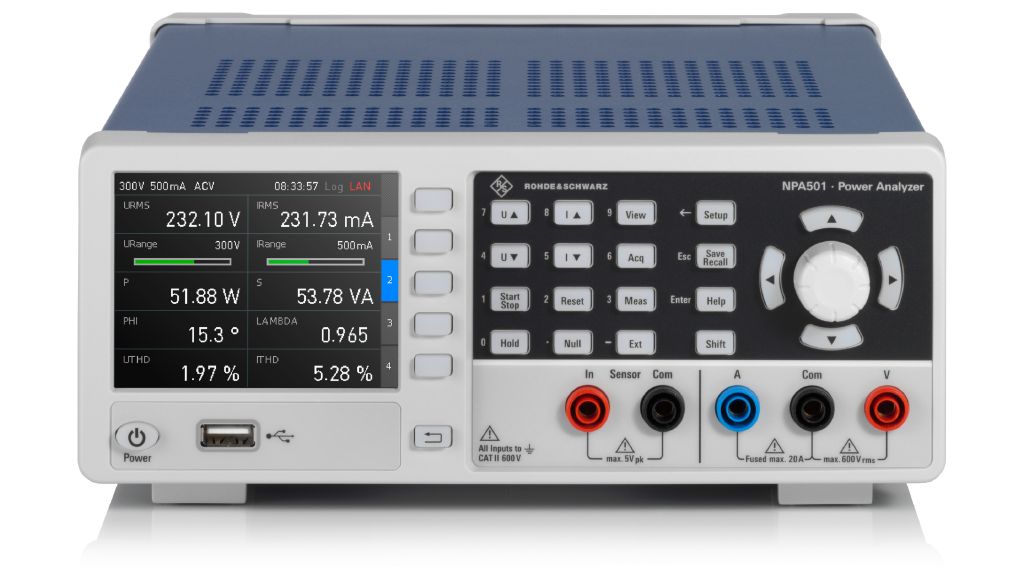
Rohde & Schwarz introduces new R&S NPA family of compact power analyzers for all power measurement requirements
A new family of Rohde & Schwarz power analyzers is now available in three models to meet all requirements for measuring voltage, current, power and total harmonic distortion on both DC and AC sources. The R&S NPA101 power meter provides all basic measurements, the R&S NPA501...
Continue Reading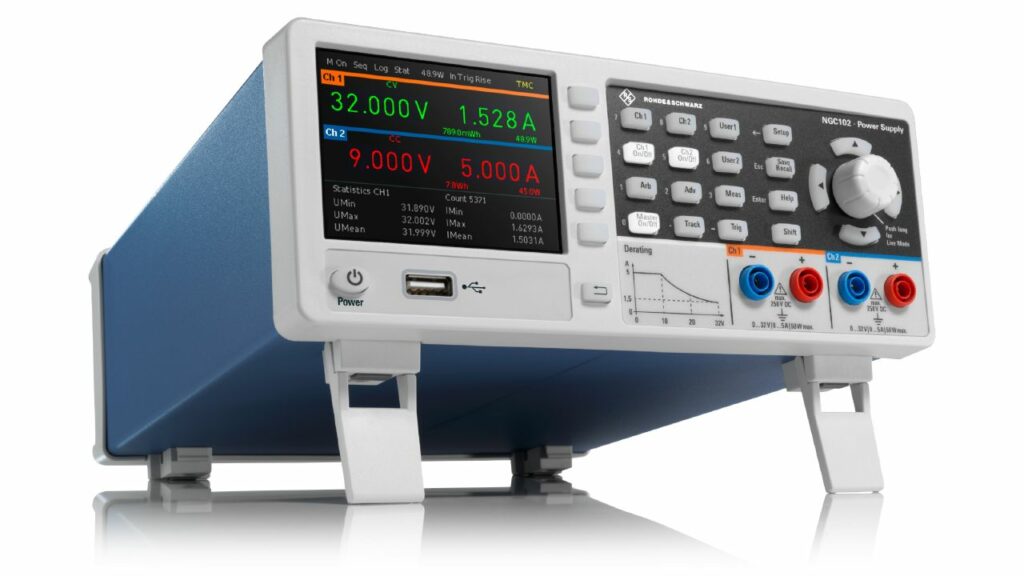
Rohde & Schwarz presents new R&S NGC100 power supply series with market-leading functions
The latest DC power supplies from Rohde & Schwarz for every-day manual use in the laboratory as well as for automated applications offer an extremely wide range of functions for entry level instruments. The R&S NGC100 power supply series includes one, two, and three-channel...
Continue Reading