login
login




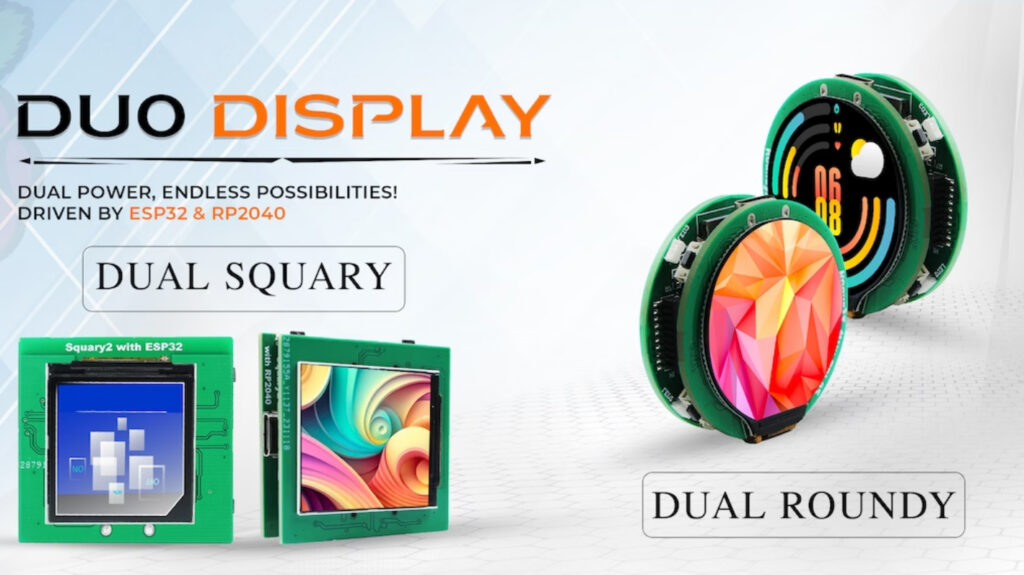
Dual Roundy and Dual Squary are SB-Component’s New Display Modules
SB-Component's Dual Roundy and Dual Squary are two new display modules powered by ESP32 or RP2040 chips. These tiny modules feature a swappable display, IMU, and multiple storage options. This series of modules offers the Dual Roundy with a 1.28" round display and Dual Squary with a...
Continue Reading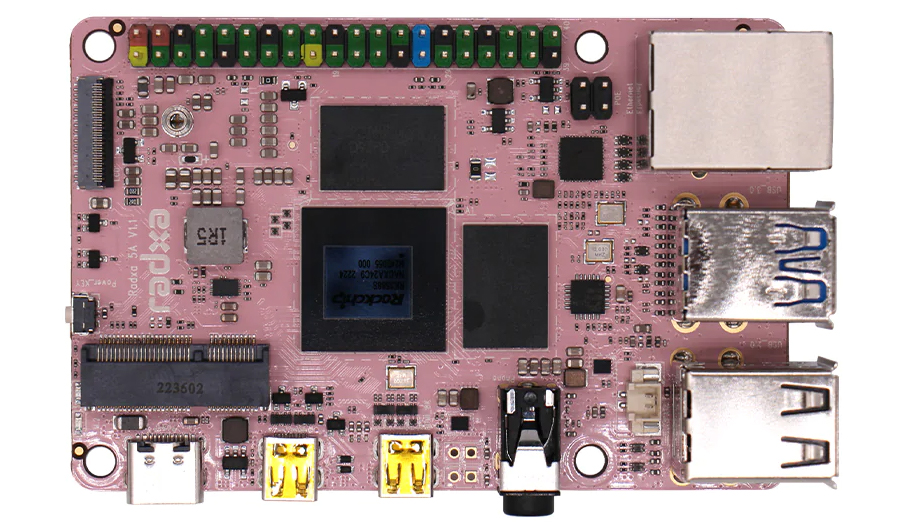
New Radxa ROCK 5A Pink Edition Features 16GB of RAM and Supports DietPi OS
Arch Tech has recently released the Radxa ROCK 5A Pink Edition with a price tag of around $109.50, this SBC not only features an eye-catching new color but also supports the lightweight operating system DietPi. The ROCK 5A is equipped with a powerful combination of processors: four...
Continue Reading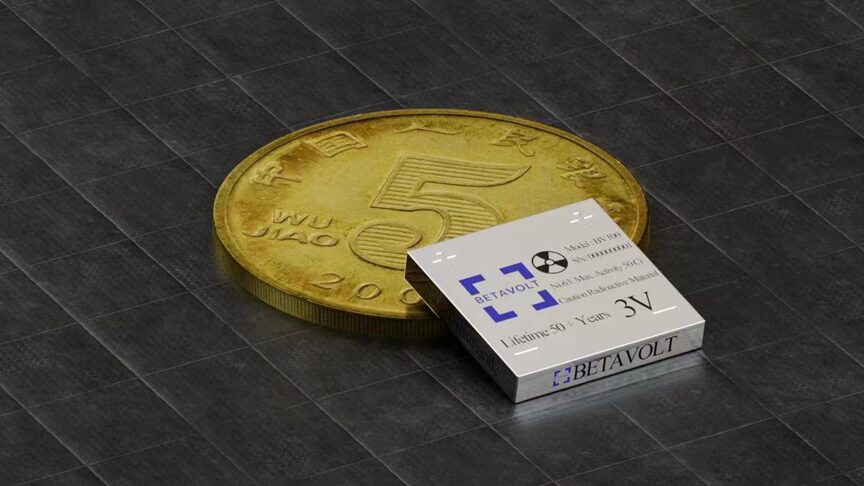
Betavoter’s New 3V Atomic Battery Can Power Your Gadget for 50 Years
Beijing Betavolt New Energy Technology Co.Ltd., also known as Betavolt, has announced the BV100, a 3V "nuclear battery" for everyday use. This 15 x 15 x 5mm battery has a max output capacity of 100 microwatts (µW) and can last for 50 years without the need for a recharge. The company...
Continue Reading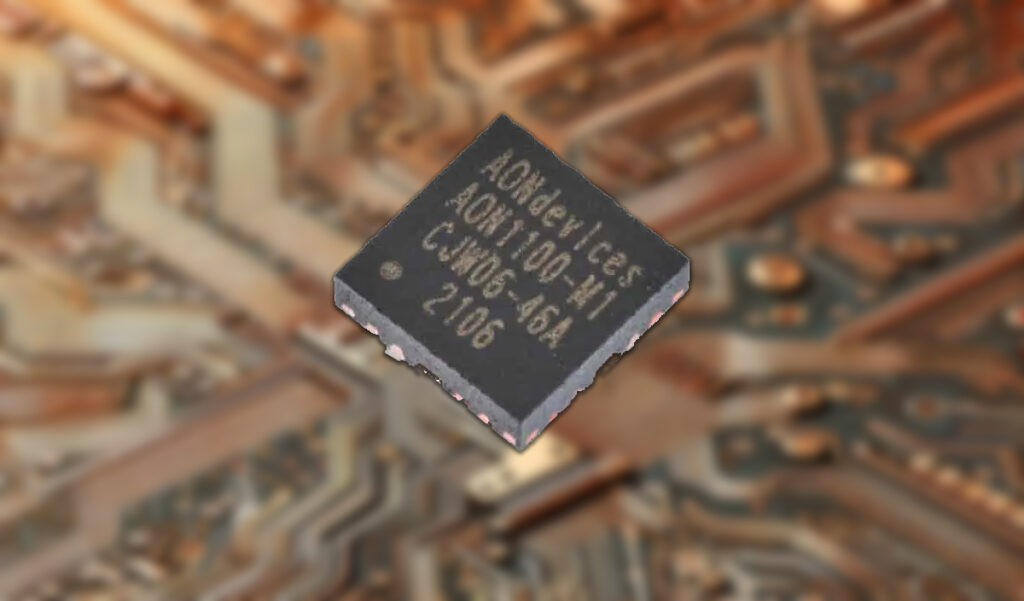
AON1120 is a Ultra-Low-Power RISC-V SoC Designed for Always-On Edge AI Applications
At CES2024, AONDevice unveiled its new on-device machine learning chip, the AON1120. It features a RISC-V core, two NPU coprocessors, and a DSP, and operates at a remarkably low power consumption of just 260μW for full-load audio classification tasks. The AON1120 is a system-on-chip...
Continue Reading
Espressif Systems Releases ESP32-C61 A Wi-Fi 6 and Bluetooth 5 SoC for Superior IoT Performance
Espressif Systems recently launched the ESP32-C61, an advanced System-on-Chip (SoC) with Wi-Fi 6 and Bluetooth 5 (LE). Building on its predecessors like ESP32-C2 and ESP32-C3, it shares similar specifications but adds support for BLE Mesh 1.1 protocol and faster Quad SPI PSRAM,...
Continue Reading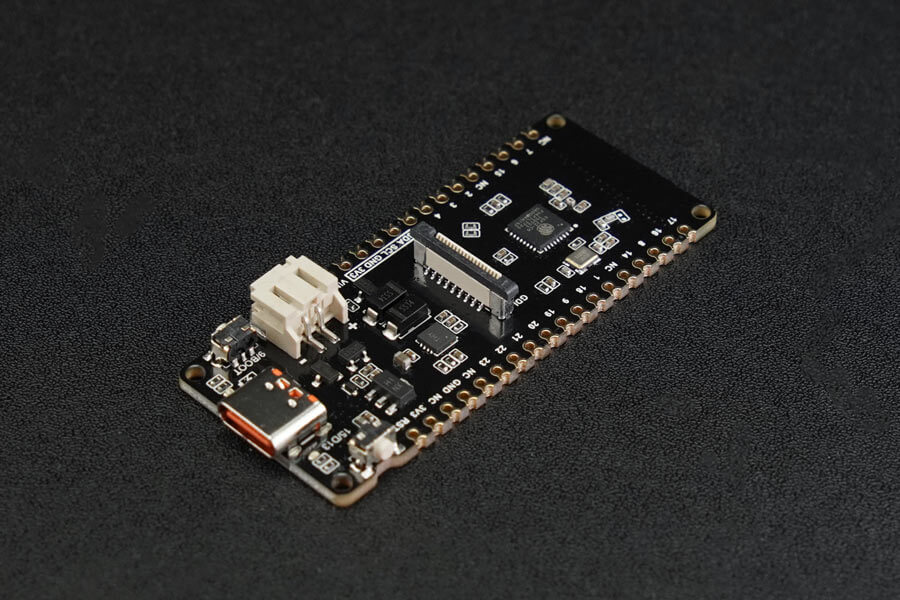
The FireBeetle 2 ESP32-C6 IoT Development Board with Wi-Fi 6, Bluetooth 5, Solar-Powered Support
The FireBeetle 2 ESP32-C6 is a compact and energy-efficient IoT development board that features the ESP32-C6 microcontroller and supports advanced connectivity options like Wi-Fi 6, Bluetooth 5, Zigbee 3.0, and Thread 1.3. Solar-powered charging and Target Wake Time technology for low...
Continue Reading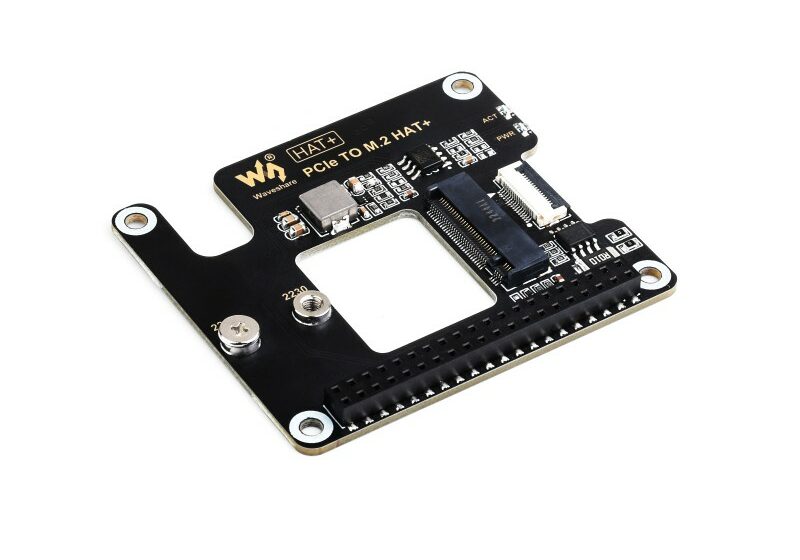
Waveshare’s PCIe to M.2 HAT+ for Raspberry Pi 5 is Priced at $8.99
Waveshare has released their new PCIe to M.2 HAT+, designed for the Raspberry Pi 5. This module is compatible with M.2 SSDs of sizes 2230 and 2242 and features a compact design at an affordable price. Update: After careful observation, I figured that there is a Design Flaw in this...
Continue Reading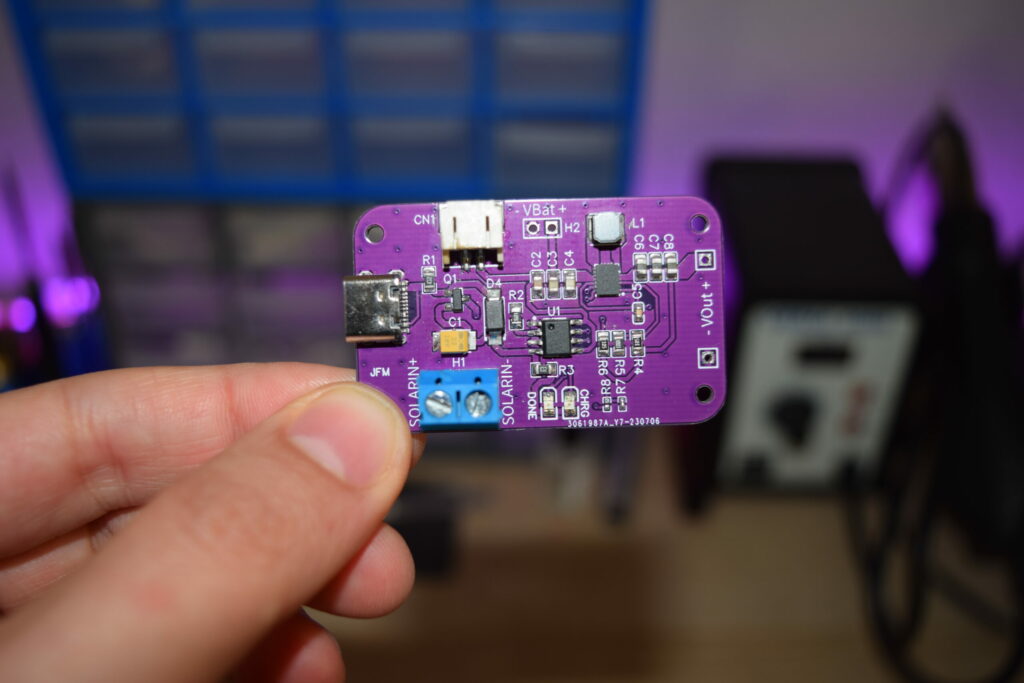
This Solar Buck-Boost Module Enhances Solar and USB Power Management for Embedded Systems
Juan Flores' Solar Buck-Boost Module is designed to charge a lithium-polymer battery using either a solar panel or USB power, providing a constant output voltage for noise-free power management for low-power applications. This board is designed to automatically switch between solar and...
Continue Reading