
Jotrinelectronic1
- Oct 17, 2023
- 5
- Joined
- Oct 17, 2023
- Messages
- 5
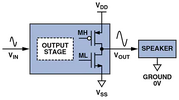
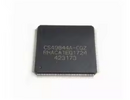
Class-D audio amplifiers are known for their efficiency and compact design, making them ideal for modern audio systems where power efficiency and space are critical. The CS49844A-CQZ offers advanced features such as high output power, low distortion, and integrated protection circuits, making it an excellent choice for building a robust audio amplifier.
Objectives:
Materials and Methods:
Components Required:
System Design:
Results:
The project will demonstrate the capabilities of the CS49844A-CQZ in delivering high-quality audio amplification with high efficiency. Results will include audio performance metrics such as total harmonic distortion (THD), signal-to-noise ratio (SNR), and power efficiency. The design’s ability to maintain performance while minimizing heat and power consumption will be highlighted.
Conclusion:
Building a Class-D audio amplifier system with the CS49844A-CQZ showcases the benefits of modern audio amplification technologies in achieving high fidelity and efficiency. The project illustrates the practical application of high-performance audio ICs in creating advanced audio solutions for both consumer and professional use.
References:
Objectives:
- Design a high-efficiency Class-D audio amplifier using the CS49844A-CQZ.
- Achieve high audio fidelity with minimal distortion and noise.
- Optimize the system for power efficiency and thermal management.
- Evaluate the amplifier’s performance in various audio applications.
Materials and Methods:
Components Required:
- CS49844A-CQZ IC (datasheet required for pin configuration and operational details).
- Passive components: resistors, capacitors, and inductors for filter networks and compensation.
- Audio source (e.g., audio DAC or preamp module).
- Speaker(s) matching the amplifier’s output specifications.
- Power supply suitable for the amplifier's voltage and current requirements.
- Heat sink (if needed, based on thermal calculations).
System Design:
- Amplifier Circuit Design:
Refer to the CS49844A-CQZ datasheet for the recommended application circuit and configuration.
- Design the input stage to interface with the audio source, ensuring proper signal conditioning.
- Configure the feedback network and output stage for optimal performance, including setting gain and compensation components.
- Power Supply and Protection:
Choose a power supply that matches the voltage and current requirements of the CS49844A-CQZ.
- Implement appropriate power filtering and decoupling to minimize noise and ensure stable operation.
- Utilize the IC’s built-in protection features (over-temperature, over-current) and add external components if necessary.
- PCB Design and Assembly:
Design a printed circuit board (PCB) layout that minimizes signal interference and maximizes thermal dissipation.
- Assemble the components carefully, paying attention to the placement of decoupling capacitors and the heat sink.
- Testing and Calibration:
Connect the amplifier to an audio source and speaker system.
- Measure output power, distortion, and efficiency using appropriate audio test equipment.
- Fine-tune the circuit to achieve the desired audio performance and ensure reliable operation under various conditions.
Results:
The project will demonstrate the capabilities of the CS49844A-CQZ in delivering high-quality audio amplification with high efficiency. Results will include audio performance metrics such as total harmonic distortion (THD), signal-to-noise ratio (SNR), and power efficiency. The design’s ability to maintain performance while minimizing heat and power consumption will be highlighted.
Conclusion:
Building a Class-D audio amplifier system with the CS49844A-CQZ showcases the benefits of modern audio amplification technologies in achieving high fidelity and efficiency. The project illustrates the practical application of high-performance audio ICs in creating advanced audio solutions for both consumer and professional use.
References:
- CS49844A-CQZ datasheet and technical documentation.
- Application notes on Class-D amplifier design and optimization.
- Audio amplifier design guidelines and best practices.


