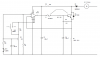
If you cannot understand the explanation of how to do it, and have minimum electronic construction skills, how do you expect to achieve the goal of building what you want. Perhaps a study of elementary electrical theory knowledge and hardware basics is in order first.Im not really sure how all that works, all I've really made with electronics is a power bank from a few laptop batteries and just mess around with stuff.
I just want to make a constant current load instead of buying one, and how powerful could i make one without it being ridiculously expensive.So, why do you want a "constant current" circuit? What kind of load do you want to attach to it? Do you use any meters or math when you mess around with stuff?Please tell us what you are trying to DO.
I know most of the basics of electronics i just don't know how to make circuits that to crazy things.If you cannot understand the explanation of how to do it, and have minimum electronic construction skills, how do you expect to achieve the goal of building what you want. Perhaps a study of elementary electrical theory knowledge and hardware basics is in order first.
Ratch
Hi, I'm not the best at understanding electronics, how does a constant current load work and how can i make one, and what makes them have limits before they get fried?
I can do it cheaper. Of course, my own specsI bet I could do something for a dollar. My specs, of course.
Yeah, Miguel, no way I can compete with off-shore labor.I can do it cheaper. Of course, my own specs![]()
The lowest i think should be 200ma if not then 400maAnd the smallest current? Would you want to be able to easily and accurately set it for 1mA, or would a couple of hundred mA be practically the smallest current you'd require?