maker_o9scok4l_1743564570
- Apr 2, 2025
- 3
- Joined
- Apr 2, 2025
- Messages
- 3
Hello guys,
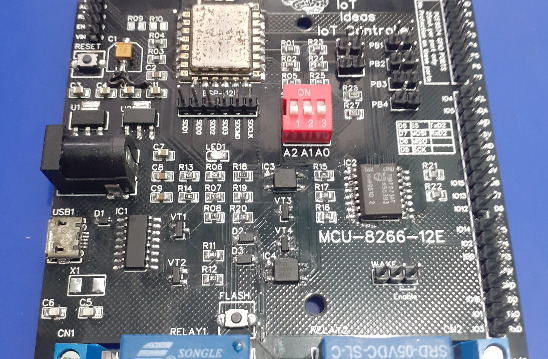
I'm working on upgrading an old home automation hub. The original design used an ESP8266, but I'm running into two major bottlenecks now:
However, given the price difference and complexity (dual-core RTOS versus bare-metal loop), I'm wondering:
Best regards!
I'm working on upgrading an old home automation hub. The original design used an ESP8266, but I'm running into two major bottlenecks now:
- GPIO Limitation: I need to connect an SPI display, two I2C sensors, and a couple of relays. I’m almost entirely out of usable pins on the ESP8266 without messing up the boot strapping pins (GPIO0/2/15).
- Security: I want to implement secure TLS/HTTPS requests to my server. The ESP8266 seems to struggle heavily with SSL handshake times and memory overhead.
However, given the price difference and complexity (dual-core RTOS versus bare-metal loop), I'm wondering:
- Is using an I2C port expander (like PCF8574) on the ESP8266 still a viable workaround to save cost, or is it better to just jump to ESP32 directly?
- How much faster is the SSL handshake on an ESP32 compared to ESP8266 in your actual testing?
Best regards!