I use Tuniot to code as its fast and simple, dont have to get into the weeds.
Can have a network up and running in a couple of minutes. There is a
series by Tuniot Prof on youtube covering ESP32.
Following one of their templates -
Share your videos with friends, family, and the world

www.youtube.com
Tuniot is block language programming. There are also other block languages
that work with ESP32.
I do weeds (C/C++) when necessary, which for most stuff not really needed.
Recent project was a intelligent fire/gas alarm for remote sites using IFTTT
SMS to broadcast alarms. Done on ESP8266 but will port it to ESP32 because
of I/O and dual core and other features. Will also port a talking DVM I did
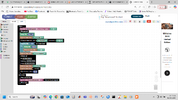
to ESP32. That project looks like (in this case not Tuniot, was Snap4Arduino ) :
Micro design has for years relied on ASM and C programming and other languages. Often many tasks are fairly simply but these tools were focused and quite a learning curve, especially ASM and C and C++. There are a number of new GUI based tools that essentially take out the "strong typing"...

www.edaboard.com
Post #2
https://www.electro-tech-online.com...programming-for-beginner.167135/#post-1459157
I ramble on too much....
I spend most of my time with dual core parts as coding results so much tighter
and easier having multiple processes running. The old way of making sure each
process meets some overall time constraints for 1 or more processes minimized.
C5, plan on using it, but on BT issue I personally do not like BT. I find its often
a binding problem thats is so frustrating in consumer products I stay clear of
it. It might be my Karma but I find tons of audio BT stuff at dump recycle area,
I think because of these issues.


