
Michael Zhang
- Mar 5, 2020
- 21
- Joined
- Mar 5, 2020
- Messages
- 21
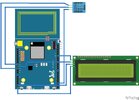
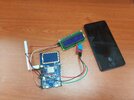
The project demonstrates how an IoT device (Ameba RTL8195) is applied in real-life scenarios. If you have watched previous demo videos, you should have no problem understanding how an LCD display, a DHT Temperature Humidity sensor and our Ameba RTL8195. It can be put together to form a fully functional smart weather station. Simply follow the instructions in our examples as follows to DIY your own weather station,
1. LCD 24H Clock
2. MQTT
3. DHT+MQTT
The key to integrate these 3 examples successfully is to make sure that you have set up your MQTT server correctly and note that here we are using a different set of MQTT topics, namely “dht_data” and “dht_status”. Also, when connect DHT sensor, D13 pin is used as data input pin.
GitHub page
https://github.com/Realtek-AmebaApp/Ameba_Examples/tree/master/RTL8195AM/004_WEATHER_STATION
Official pages
https://www.amebaiot.com.cn/en/
https://www.amebaiot.com/en/
Facebook pages
https://www.facebook.com/groups/AmebaIoT/
BiliBili channel
https://space.bilibili.com/45777743
1. LCD 24H Clock
2. MQTT
3. DHT+MQTT
The key to integrate these 3 examples successfully is to make sure that you have set up your MQTT server correctly and note that here we are using a different set of MQTT topics, namely “dht_data” and “dht_status”. Also, when connect DHT sensor, D13 pin is used as data input pin.
GitHub page
https://github.com/Realtek-AmebaApp/Ameba_Examples/tree/master/RTL8195AM/004_WEATHER_STATION
Official pages
https://www.amebaiot.com.cn/en/
https://www.amebaiot.com/en/
Facebook pages
https://www.facebook.com/groups/AmebaIoT/
BiliBili channel
https://space.bilibili.com/45777743
Last edited by a moderator:
