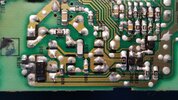
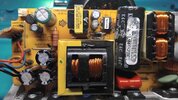
Ok, your first point about that being my go to method, wrong. Ive been removing multiple components and testing as I know sometimes can give false readings in circuit. The probing helps to follow voltages and see where it goes wrong, possibly
There's no point in 'following voltages' if you don't know what those voltages are supposed to be.
I do have fluctuating voltage which is causing one of the chips to shut down the PSU.
What is it that makes you think the fluctuating voltage is causing a shut down? How do you know it's not meant to fluctuate? And what does 'fluctuate' mean - in this context - anyway?
The above are two examples that give me the impression that you're just 'probing around' and not understanding what you're doing and why. This will only confuse you, not give you the answers or knowledge you seek and lead us down a wrong path (potentially).
We WANT to help. We give advice freely and in our own spare time so there's no way your claim that the knowledge offered is 'entitled'.
If you look at the datasheet for the TNY276 you will see a pretty good example schematic like this:
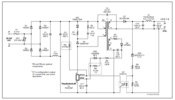
Which could assist in fault finding if you can associate those parts to what you have in front of you. The datasheet also shows a lot of waveforms but that implies you having a 'scope and the knowledge on how to use it.
So, using the schematic and the detailed description of how the chip works is a good starting point in how to interpret the circuit in front of you.
Start from the input, determine that the supply to the chopper is ok, disable the output (load) side and see if the chopper starts working again )seems as if it's shutting down due to an overload or fault condition through its enable input but you should be able to measure the voltages and compare the results with the description in the datasheet.