Skippertheev
- Mar 10, 2026
- 1
- Joined
- Mar 10, 2026
- Messages
- 1
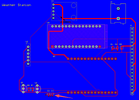
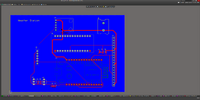
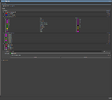
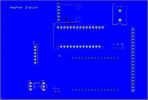
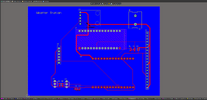
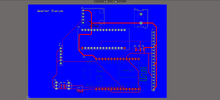
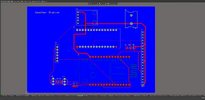
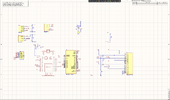
Hi all, I’m new to PCB design and working on my first board. I’ve breadboarded everything and now want to make a PCB that holds the core modules and lets me expand later.
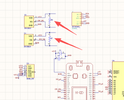
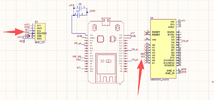
Components: – ESP32 Dev Module V1 – Arduino Nano – 2× DS18B20 – BME280 – BH1750
Current issues:
1. The ESP32 footprint was imported from Eagle and the outlines are spread across mechanical layers.
All feedback is welcome — I’m trying to learn and improve.
Components: – ESP32 Dev Module V1 – Arduino Nano – 2× DS18B20 – BME280 – BH1750
Current issues:
1. The ESP32 footprint was imported from Eagle and the outlines are spread across mechanical layers.
- 2. I plan to mount the ESP32 and Nano using headers so I can swap them out.
All feedback is welcome — I’m trying to learn and improve.
Attachments
-
 Screenshot 2026-03-09 185708.png256.8 KB · Views: 6
 -
 Screenshot 2026-03-09 185745.png65.4 KB · Views: 5
 -
 Screenshot 2026-03-09 185811.png259.5 KB · Views: 5
 -
 Screenshot 2026-03-09 185839.png320.4 KB · Views: 4
 -
 Screenshot 2026-03-09 185852.png224.1 KB · Views: 4
 -
 Screenshot 2026-03-09 185907.png264.1 KB · Views: 5
 -
 Screenshot 2026-03-09 190128.png310.8 KB · Views: 5