Join the Community
Main Menu
M5Stack PaperDIY Is a 4.7-Inch ESP32-S3 E-Paper Development Board
Helix 521-PLC Fanless Edge Controller Runs CODESYS on Intel Core Ultra
Infineon Adds Post-Quantum Security to Quad-Motor Control MCUs
HPMicro HPM5100 MCU Series Brings 480 MHz RISC-V and 16-bit ADCs
Polyimide Tape for PCB Masking: Avoiding Edge Lift and Residue
Prevent Post-Launch Application Failures with Real-World Network Simulation
The Approach to AI Infrastructure Is the Real Bubble
Mastering the Curve: Layout Strategies for FPC Bend Radius and Reliability
Single Pair Ethernet: One Twisted Pair, Full Ethernet Performance
Analog To Digital Conversion - Sampling and Quantization
Positive Feedback in Electronic Circuits
Temperature Sensors
High Current Half Bridge with Over-Current Shutdown
3-Wire Electret Microphone Pre-Amplifier
12W Step Up DC-DC Converter using MAX1771
Sound to Light Color Shield for OLEDUINO v2
An Introduction to RF Theory, Practices, and Components: The Ins and Outs of RF
The Growing Decentralization of Power Grids
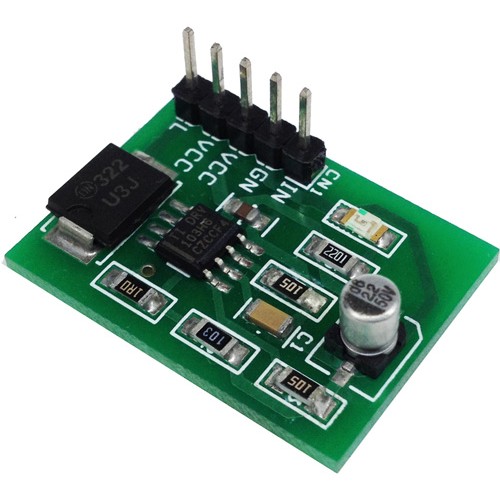
Tiny module is a PWM Solenoid and Valve driver using Texas instrument’s DRV103 low-side DMOS power switch employing a pulse-width ...
ESP8266EX and even the new ESP32 SoC lack a USB hardware transceiver, so [CNLohr] decided to develop a USB software stack for...
Jone Teel over Makezine walked through how to use BLE (Bluetooth Low Energy ), aka Bluetooth smart, in an electronic product.
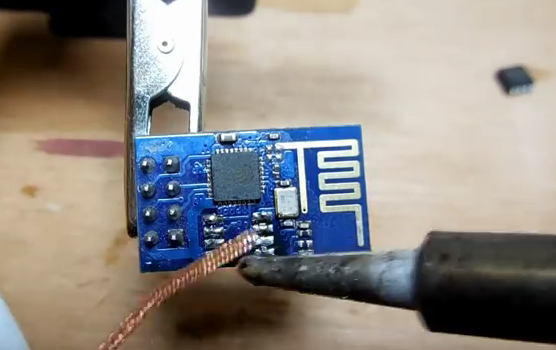
ESP8266, the well known WiFi module contains an ESP8266EX SoC IC and an external SPI flash.
Sunburn Monitor is a UV monitor with sound-based indication.
It has been a while from the announcement of the new SoC ESP32 from Espressif.
An optical micro-displacement sensor from Omron Electronic Components Europe is capable of resolving 10 microns – one tenth the d...
Daniel Grießhaber over hackaday.io created a project called ESPTool.
Recently, Silicon Labs announced a new USB controller called CP2102N which is part of the USBXpress™ bridge devices family.
A highlight from CNXSoft about Holtek HT48R002 MCU as the cheapest MCU.
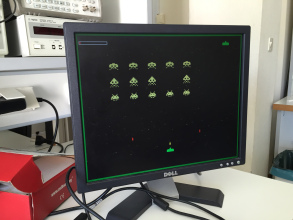
Patsiatzis Nikos and Katsaros Nikos build the space invaders game using a ZedBoard FPGA.
Giovanni Carrera designed a circuit that accepts input voltage from about 20mV to 5V or a current of 4 to 20 mA and converts it...