Join the Community
Main Menu
Infineon Debuts 7 nA TMR Magnetic Switch for Wearables and Patches
Sipeed SLogic32U3 - A 10 Gbps USB 3.2 Logic Analyzer
Tektronix 1 Series Digital Phosphor Oscilloscopes Offer 200 MHz Bandwidth from $450
Silanna Folds a DSP Into Its Compact Plural Nano Converter Family
Polyimide Tape for PCB Masking: Avoiding Edge Lift and Residue
Prevent Post-Launch Application Failures with Real-World Network Simulation
The Approach to AI Infrastructure Is the Real Bubble
Mastering the Curve: Layout Strategies for FPC Bend Radius and Reliability
What Is DECT NR+? Examining the New 5G Non-Cellular Mesh Standard
Single Pair Ethernet: One Twisted Pair, Full Ethernet Performance
Analog To Digital Conversion - Sampling and Quantization
Positive Feedback in Electronic Circuits
High Current Half Bridge with Over-Current Shutdown
3-Wire Electret Microphone Pre-Amplifier
12W Step Up DC-DC Converter using MAX1771
Sound to Light Color Shield for OLEDUINO v2
An Introduction to RF Theory, Practices, and Components: The Ins and Outs of RF
The Growing Decentralization of Power Grids
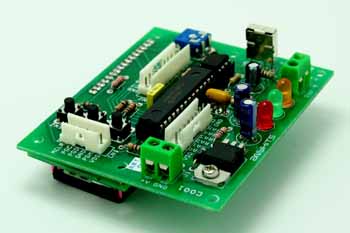
This development board offers various important add-ons which we considered are important to a developer of Microcontroller based...
The new generation of programmers that use WiFi instead of cables.
Max.K @ hackaday.io designed his own impressive watch based on Atmega328p with Arduino bootloader, Maxim DS3231 (<2min per year...
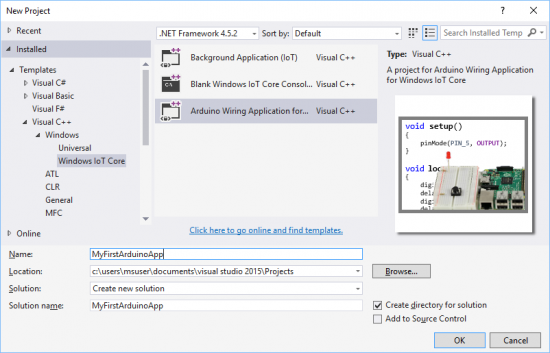
Last year, Arduino and Microsoft announced a strong partnership and Windows 10 became the world’s first Arduino certified o...
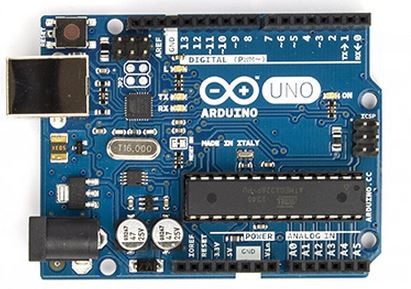
James @ seeed.cc has compiled a list of the most popular Arduino boards including schematics and PCB.
Smartphones and mobile devices are diving deeply in our lives and make a lot of things much easier than before.
Do you wonder how to build a personal weather station with data logging capability?
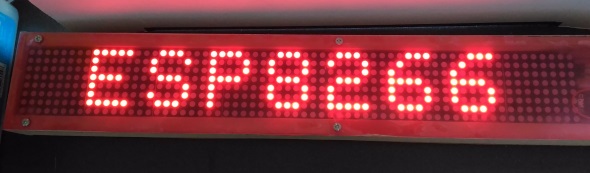
Raj @ embedded-lab.com build an ESP8266 based led matrix display.
Intended for tasks such as monitoring IoT networks from a handheld device, Texas Instruments’ latest series of microcontrollers a...
Low-cost, open-source “sip-and-puff” interface to enable new methods of expression for people with and without limited mobility.
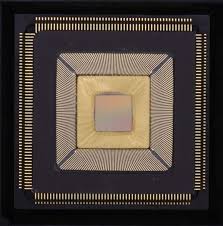
Researchers at Princeton University have built a 25-core chip that can scaled easily to create a 200,000-core computer.
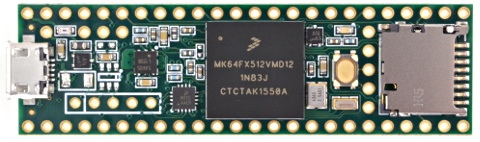
“Teensy” is a tiny size board compatible with Arduino software and libraries.