
Waveshare RA4M1-Zero Mini Development Board Offers 48MHz ARM MCU with Arduino Support, Secure Boot, FPU, and CAN Bus
Waveshare has introduced the RA4M1-Zero, a compact, cost-effective Mini Development Board built around the 32-bit Renesas RA4M1 MCU, based on the ARM Cortex-M4 architecture with a 48MHz operating frequency and a built-in Floating Point Unit (FPU). This was designed in the standard Zero-size form factor (18 x 23.5 mm) created by Waveshare, which is made to fit into space-limiting embedded projects.
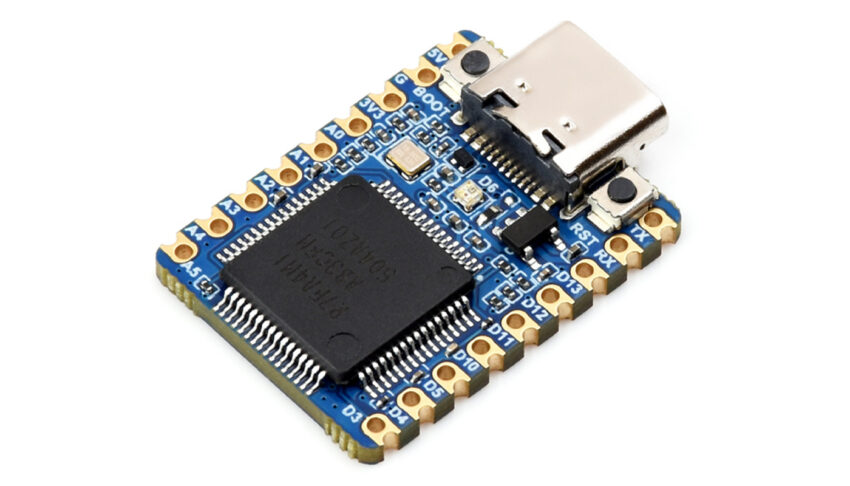
Waveshare has introduced the RA4M1-Zero, a compact, cost-effective Mini Development Board built around the 32-bit Renesas RA4M1 MCU, based on the ARM Cortex-M4 architecture with a 48MHz operating frequency and a built-in Floating Point Unit (FPU).
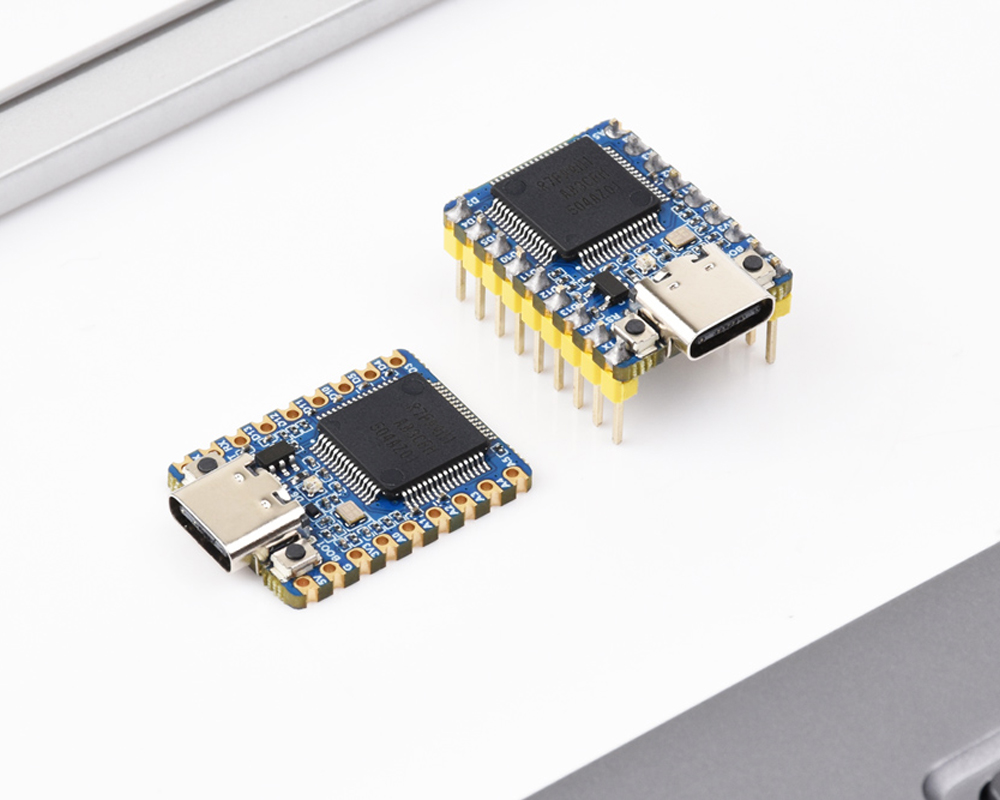
This was designed in the standard Zero-size form factor (18 x 23.5 mm) created by Waveshare, which is made to fit into space-limiting embedded projects. It has 256KB Flash, 32KB SRAM and 8KB EEPROM with an option of firmware encryption to secure it, secure boot and tamper protection for the ultimate security. Its board contains a 14-bit ADC, 12-bit DAC, CAN bus interface, USB 2.0 interface and an on-board colour LED-scheme (RGB). The board is available in two revisions, with and without a pre-soldered pin header, and the castellated SMT profile also allows its use in SMD and quick mass-manufacture. The most often-used applications are IoT application development, building embedded system prototypes, kits for learning, and any secure application based on microcontrollers that require a compact form factor and reliability.
Earlier, we have learn about other mini development boards including the DFRobot Beetle RP2040 mini development board, the WeAct STM32G4, the Minima, and others. But this one is far upgraded in every way.
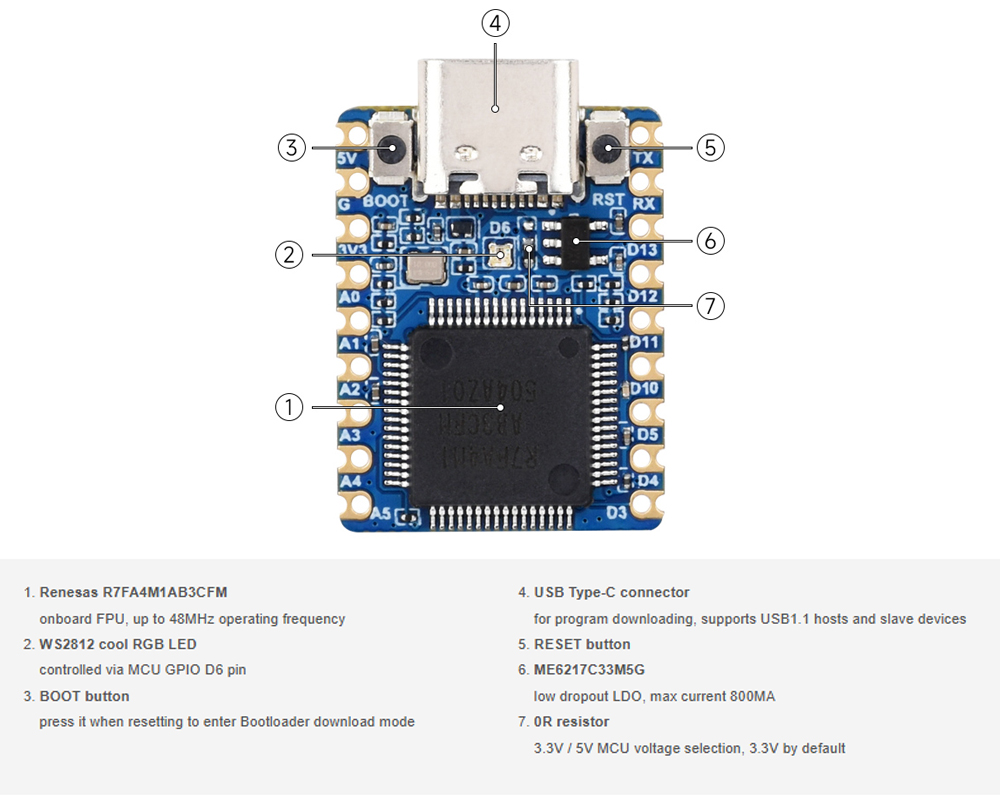
RA4M1-Zero Mini Development Board Specifications: But
- MCU: Renesas RA4M1 (R7FA4M1AB3CFM)
- CPU: 32-bit ARM Cortex-M4 core, up to 48MHz
- Memory: 32KB SRAM
- Storage:
- 256KB Flash
- 8KB Data Flash (EEPROM)
- Floating Point Unit: Built-in FPU for enhanced math performance
- USB: USB 2.0 (Full-Speed, USB 1.1 Host/Device via Type-C)
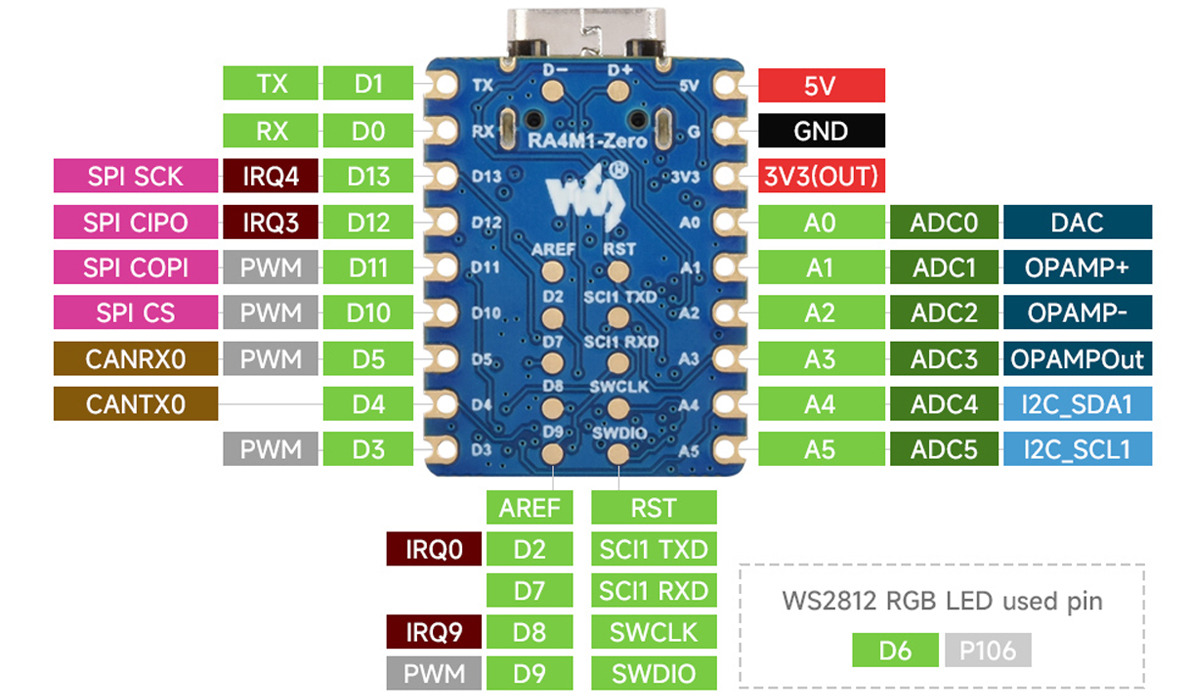
- Interfaces and I/Os:
- CAN bus controller
- 14-bit ADC
- 12-bit DAC
- Multiple GPIOs
- UART
- I2C
- SPI
- Miscellaneous:
- WS2812 RGB LED (connected to GPIO D6)
- BOOT and RESET buttons
- Security Features: Firmware encryption, secure boot, tamper-proof features
- Power Supply:
- USB Type-C input
- Onboard ME6217C33M5G LDO (max 800mA)
- 3.3V/5V voltage selection via 0Ω resistor (default: 3.3V)
- Dimensions: 18mm x 23.5mm
The RA4M1-Zero allows development and debugging to be easier as it supports Arduino IDE. To get started, simply install the RA4M1-Zero board package in the Arduino IDE, and after that, we can upload the code directly with the IDE. To flash firmware, we may use the official Renesas flashing tool. All we have to do is press and hold the BOOT button, press the RESET button to get into bootloader mode, pick the right COM port, upload your firmware file, and then do the flashing.
At the time of writing, the RA4M1-Zero mini development board is available in two versions: one is the RA4M1-Zero without headers, and the other is RA4M1-Zero-M with pre-soldered headers. You can purchase these from AliExpress for around $8.59 and $9.45, and from Amazon for about $13.99 and $14.99. They’re also listed on Waveshare’s official store starting at $6.49, excluding shipping charges.


