Nothing has been published in this category yet. Below is our latest article.
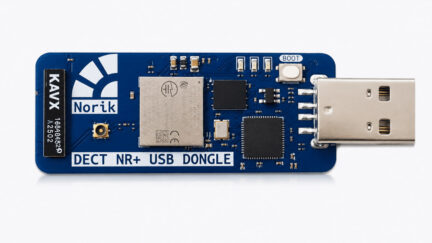
What Is DECT NR+? Examining the New 5G Non-Cellular Mesh Standard
Forget cordless phones—this subscription-free wireless protocol offers sub-millisecond latency in license-exempt bands.

Single Pair Ethernet: One Twisted Pair, Full Ethernet Performance
Conventional Ethernet cabling contains four twisted pairs, but not every standard uses all four.

Analog To Digital Conversion – Sampling and Quantization
This article presents two key concepts in converting a continuous analog signal to a discrete digital signal.
Scroll to continue with content

Positive Feedback in Electronic Circuits
Introduction While negative feedback controls and corrects the behavior of a system, positive feedback encourages and strengthens...

Temperature Sensors
This article introduces temperature sensors that detect heat using either direct physical contact or non-contact methods like...

Magnetostatic Fields In Material Bodies
The Magnetic Dipole Moment Magnetostatic fields in material bodies represent a fascinating intersection of electromagnetic theory...

Effects Of Magnetic Fields In Vacuum
The Biot-Savart Law In Magnetostatics The Biot-Savart law is one of the fundamental laws in magnetostatics that describes how...

Magnetic Fields Produced By Electrical Currents
Magnetic Effect Of Electric Current Magnetostatics is the study of magnetic fields in systems where the electric currents are...
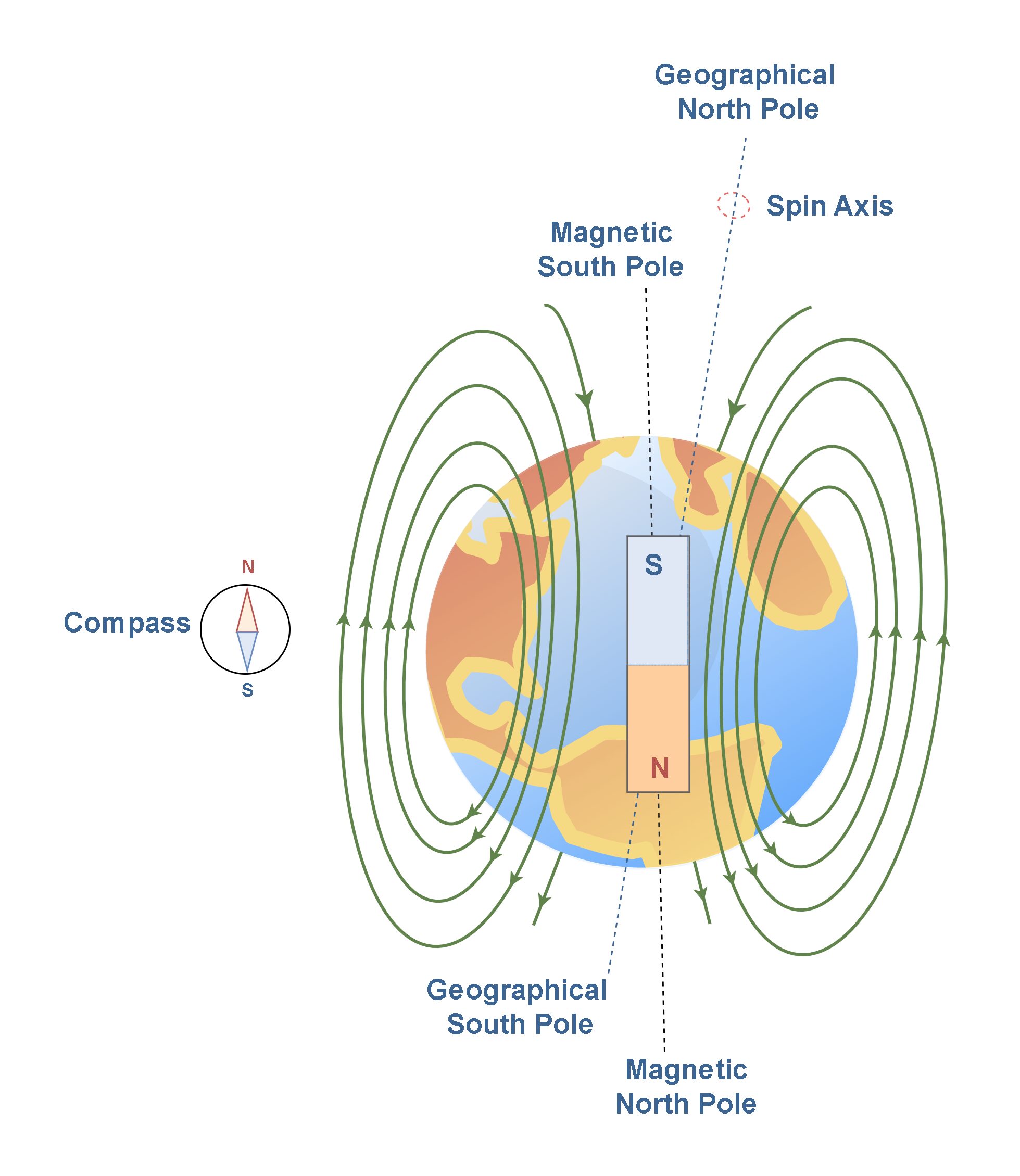
Static Magnetic Field In Vacuum
Magnetism: History And Applications Our knowledge of magnetism and magnetic phenomena is as old as science itself.
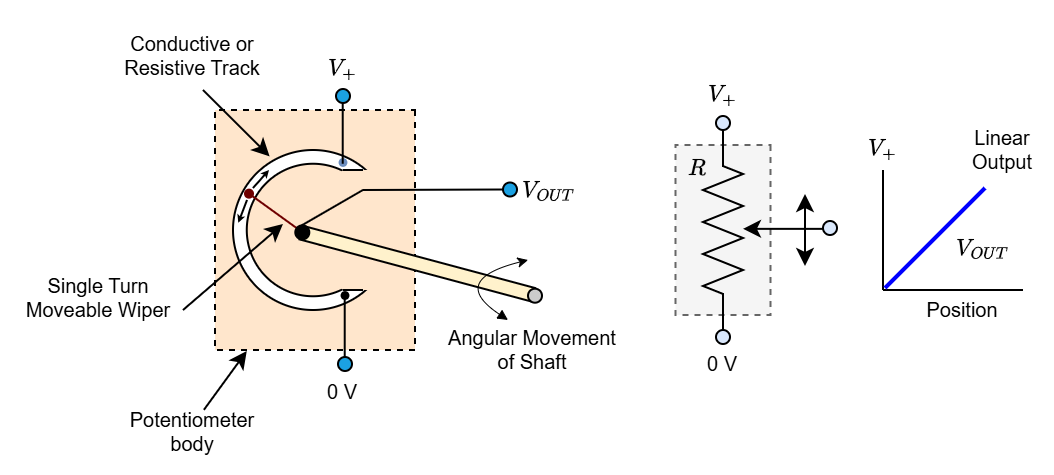
Position Sensors
Introduction In this article, we will look at a variety of devices that fall under the category of Input Devices and are...
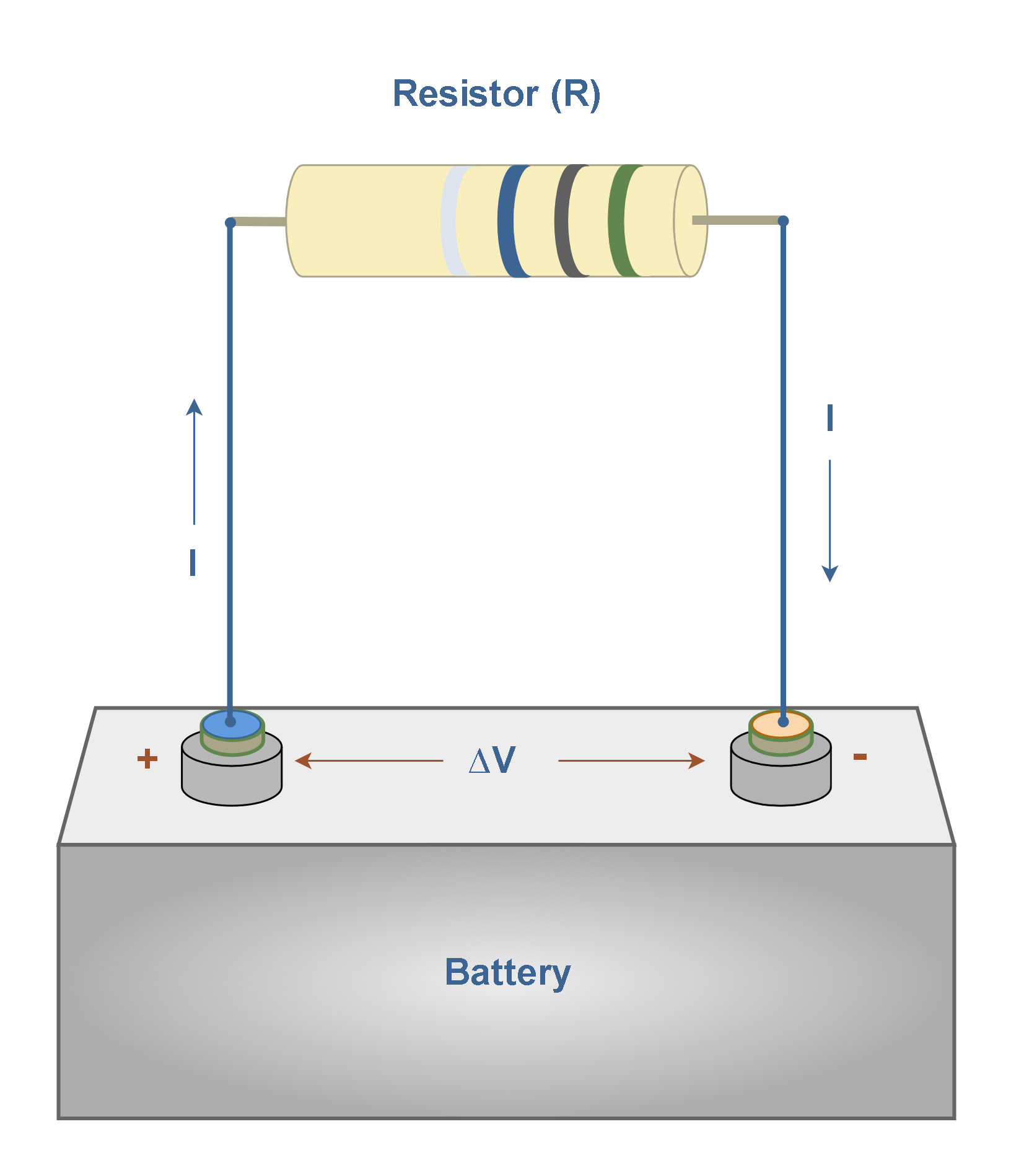
Resistors, Electromotive Force and Power Dissipation
Resistors A resistor is a passive two-terminal electrical component that implements electrical resistance as a circuit element.
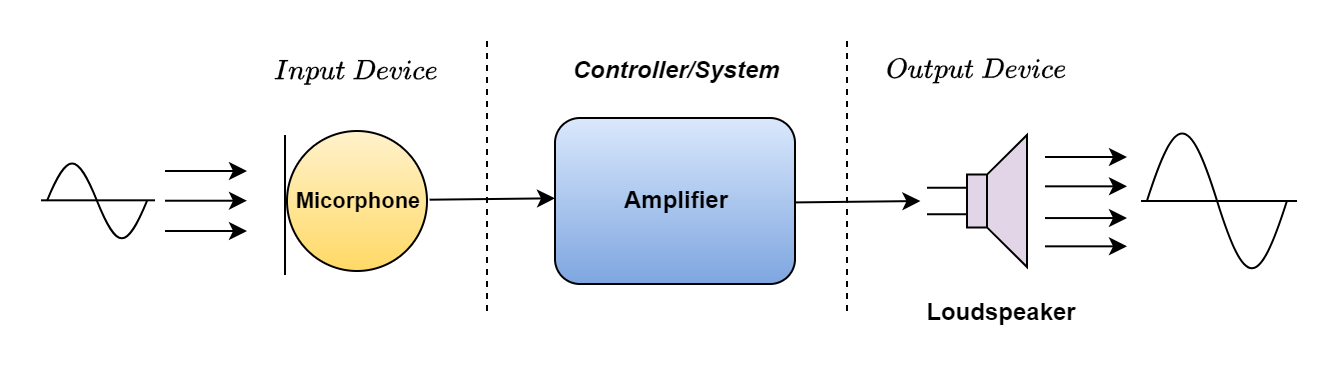
Sensors and Transducers
Introduction Transducers are devices that change one kind of energy into another.


