Join the Community
Main Menu
Qorvo QPX0252 Targets Crowded X-Band Radar Arrays
SECO Launches Industrial HMI and SBC Powered by Dragonwing IQ-2390
Makerfabs nRF52840 Board Brings Bluetooth and UWB Tracking Together
Microchip Expands 10BASE-T1S Lineup With New Transceivers and Endpoints
Polyimide Tape for PCB Masking: Avoiding Edge Lift and Residue
Prevent Post-Launch Application Failures with Real-World Network Simulation
The Approach to AI Infrastructure Is the Real Bubble
Mastering the Curve: Layout Strategies for FPC Bend Radius and Reliability
Single Pair Ethernet: One Twisted Pair, Full Ethernet Performance
Analog To Digital Conversion - Sampling and Quantization
Positive Feedback in Electronic Circuits
Temperature Sensors
High Current Half Bridge with Over-Current Shutdown
3-Wire Electret Microphone Pre-Amplifier
12W Step Up DC-DC Converter using MAX1771
Sound to Light Color Shield for OLEDUINO v2
An Introduction to RF Theory, Practices, and Components: The Ins and Outs of RF
The Growing Decentralization of Power Grids
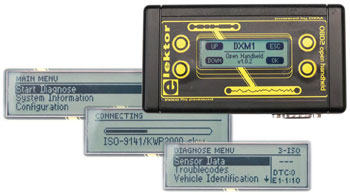
Thomas Beck started a new project to develop a Raspberry Pi based OBD2, On-Board Diagnostic tester, to read vehicle data, trouble...
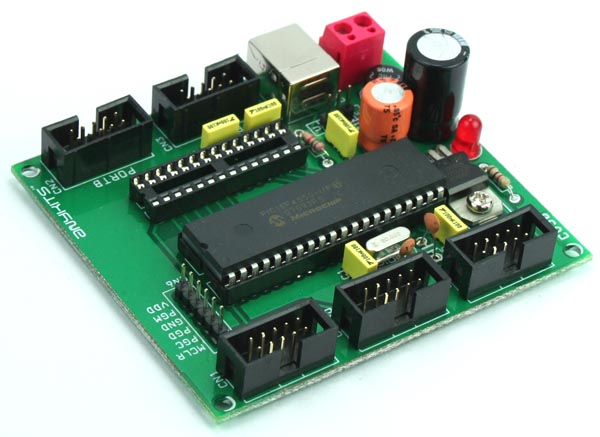
PIC18F USB Development Board will help you with your prototyping requirement with any 28/40-pin Microchip microcontroller...
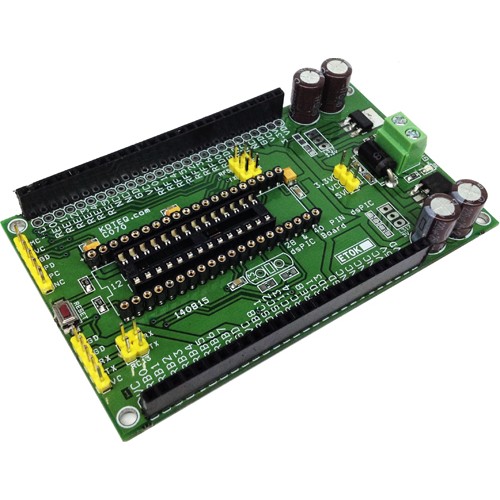
The dsPIC Development board has been designed mainly for Motor dsPIC30F4011 Digital Signal Controller in the 40-pin motor control...
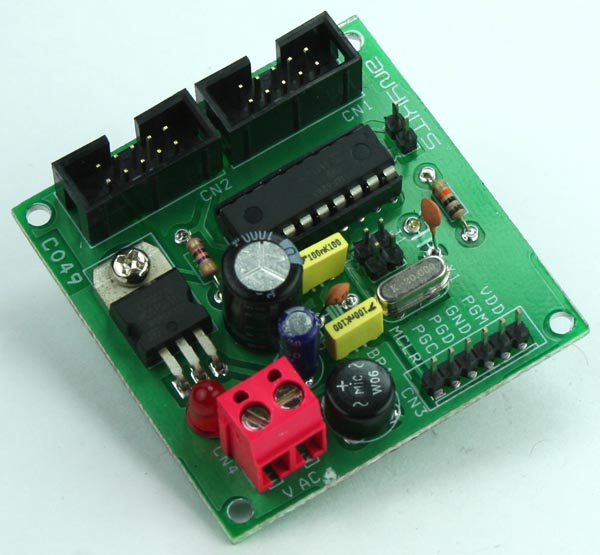
PIC16F 18-pin Development Board will help you with your prototyping.
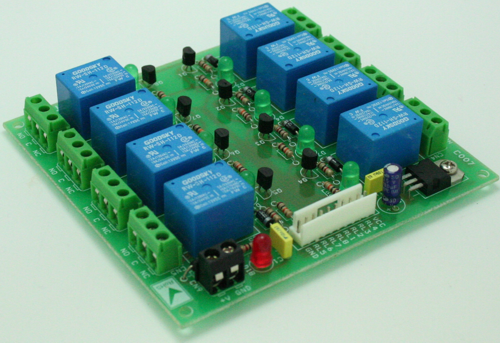
This is a general purpose relay board accepting 8 inputs to drive 8 relays providing control requirement in your project.
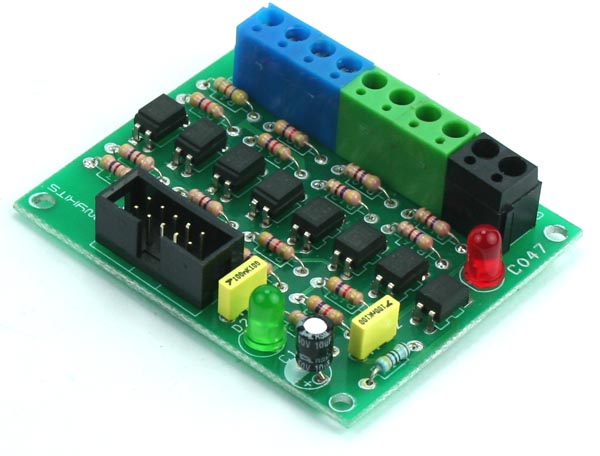
Opto-Isolated I/O Board offers a compact & convenient way to interface industrial type inputs/outputs to your microcontroller...
Meet NanoPi NEO the latest member in NanoPi family from FriendlyARM.
Moto Z Droid and Moto Z Force Droid are the new phones from Motorola.
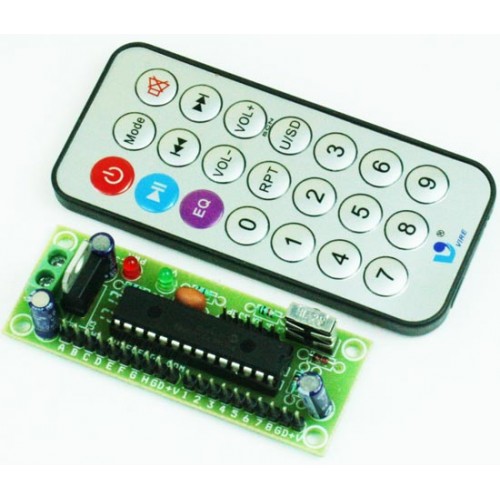
16 Channel Infra-Red remote controller is built around PIC16F73 Microcontroller from Microchip.
Johan Kanflo’s Esprog pogo pin connector: The FTDI connector can be found on just about any ESP8266 design.
Arduino based project in charge of taking care of your green plant.
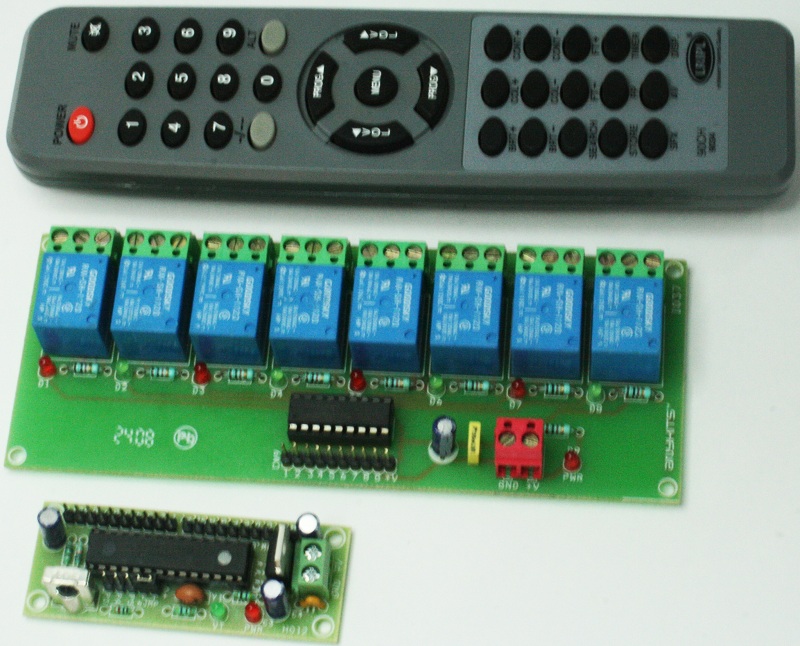
16 Channel Infra-Red remote controller is based on PIC16F73 Microcontroller from Microchip.