Join the Community
Main Menu
Qorvo QPX0252 Targets Crowded X-Band Radar Arrays
SECO Launches Industrial HMI and SBC Powered by Dragonwing IQ-2390
Makerfabs nRF52840 Board Brings Bluetooth and UWB Tracking Together
Microchip Expands 10BASE-T1S Lineup With New Transceivers and Endpoints
Polyimide Tape for PCB Masking: Avoiding Edge Lift and Residue
Prevent Post-Launch Application Failures with Real-World Network Simulation
The Approach to AI Infrastructure Is the Real Bubble
Mastering the Curve: Layout Strategies for FPC Bend Radius and Reliability
Single Pair Ethernet: One Twisted Pair, Full Ethernet Performance
Analog To Digital Conversion - Sampling and Quantization
Positive Feedback in Electronic Circuits
Temperature Sensors
High Current Half Bridge with Over-Current Shutdown
3-Wire Electret Microphone Pre-Amplifier
12W Step Up DC-DC Converter using MAX1771
Sound to Light Color Shield for OLEDUINO v2
An Introduction to RF Theory, Practices, and Components: The Ins and Outs of RF
The Growing Decentralization of Power Grids
Pete show us how to upgrade your ESP8266 with 32Mbit memory chip.
educ8s.tv uploaded a new tutorial on their youtube channel.
niq_ro @ instructables.com show us how to build a FM radio using Arduino and TEA5767 module.
The NanoPi NEO is another fun board developed by FriendlyARM for makers, hobbyists and fans and costs $8.
atsamd11c14 Arduino zero compatible ARM M0 compact usb stick: DiXi is atsamd11c14 based development board.
educ8s.tv has a new video discussing about the Wemos D1 mini board.
andrea biffi @ instructables.com has a detailed tutorial on how to build your own Nixie clock using IN-4 tubes and Atmel...
SpritesMods has a 5-part write-up that shows how to add wireless connectivity to a Fluke 15B+ digital multimeter All in all, I...
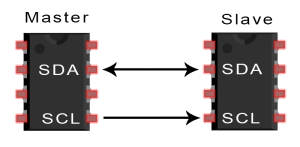
circuitbasics.com talks about the I2C protocol, it’s use and it’s advantages and disadvantages.
Gustavo Reynaga shows us how to you can flash your ESP-01 and esp-201 with Arduino IDE and upload any other firmware with ESP...
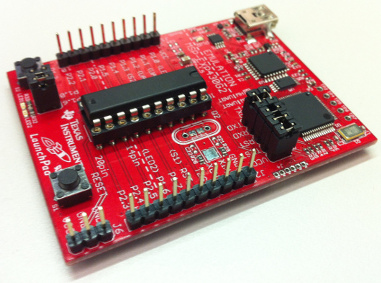
Rahul Sreedharan introduces us to TI’s MSP430 microcontroller using LaunchPad board.
A self-igniting candle implemented using AVR and PIC microcontrollers.