login
login




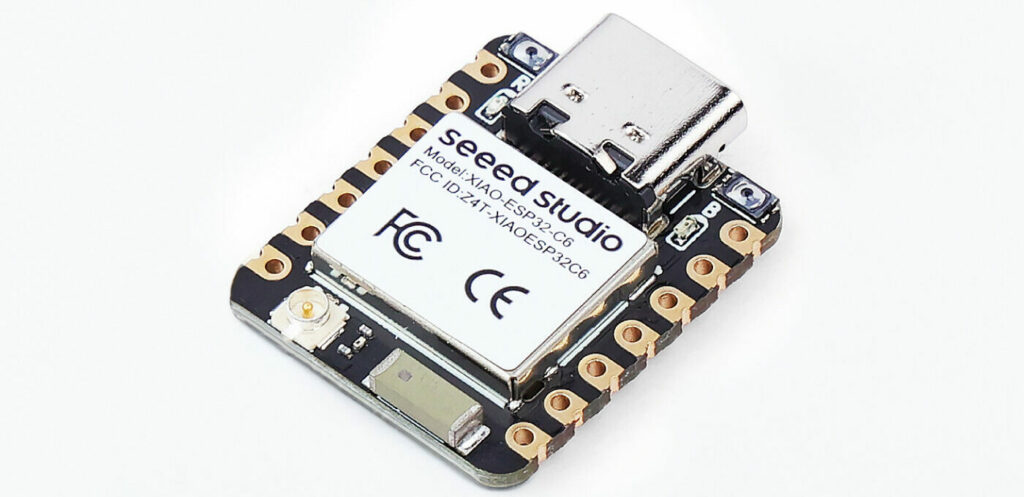
Seeed Studio XIAO ESP32C6 Dev Board Features a Compact Form Factor
SeeedStudio has recently introduced XIAO ESP32C6 Dev Board with Wi-Fi 6/Bluetooth 5 and integrates Matter compatibility all built onto a thumb-size footprint. After the initial release of the ESP32-C6 SoC last year we have seen boards like the SparkFun ESP32-C6 Thing Plus, the ePulse...
Continue Reading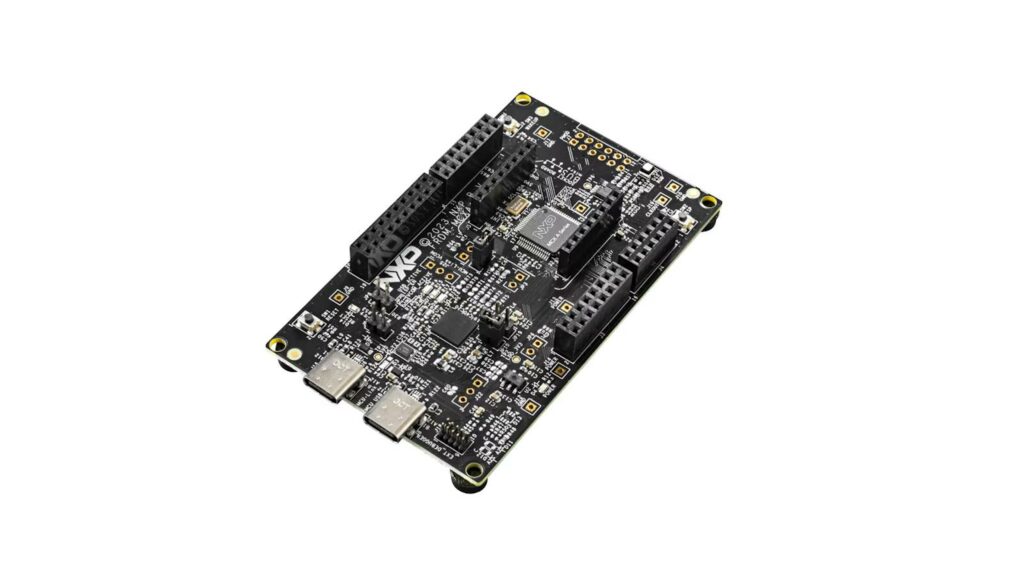
MCX A: All-Purpose MCU and FRDM Development Platform
In embedded systems and IoT devices, versatile and powerful microcontrollers are essential. NXP Semiconductors addressed this demand by introducing the MCX A series of MCUs, which are designed to fulfill a wide range of application requirements. This series is part of the MCX Family...
Continue Reading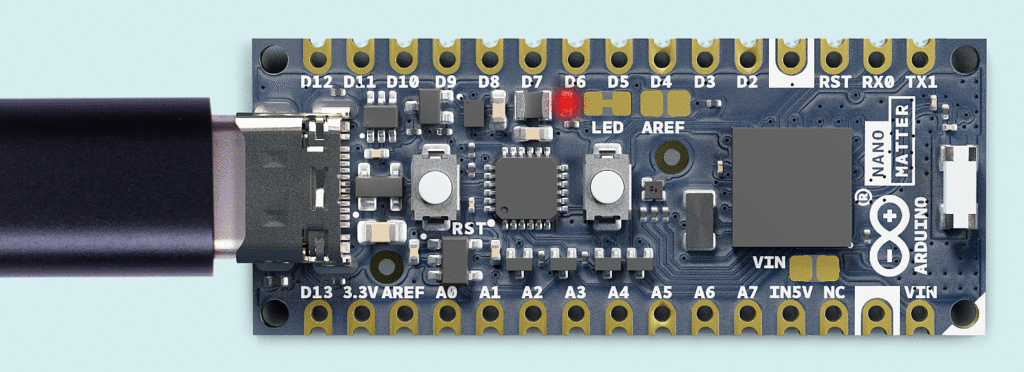
Arduino’s Upcoming Cortex M33 Powered Arduino Nano Matter Board is Made in Collaboration with Silicon Labs
Arduino has just announced their new Arduino Nano Matter Board, powered by a SiLabs MGM240SD22VNA MPU. The MPU features a 32-bit Arm Cortex-M33 core with DSP and FPU, enhancing its performance. The board supports various connectivity options, including Matter, OpenThread, BLE, and...
Continue Reading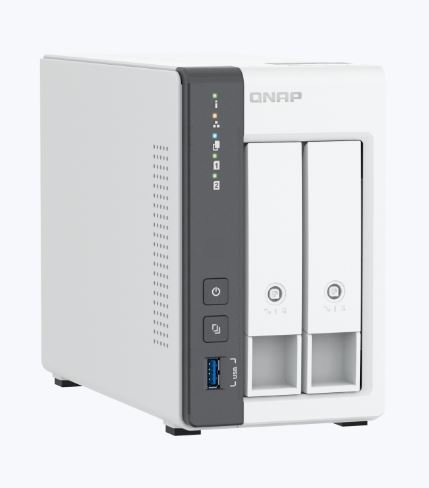
QNAP TS-216G NAS is Equipped with 2.5GbE Ethernet and Hot-Swap Functionality
The QNAP TS-216G NAS, by QNAP Systems, Inc., features both a GbE port and a 2.5GbE port with hot-swap functionality. It promises efficient data management and enhanced reliability. The NAS is built around a 64-bit Arm quad-core processor, with 4 GB RAM and an NPU for AI tasks. The...
Continue Reading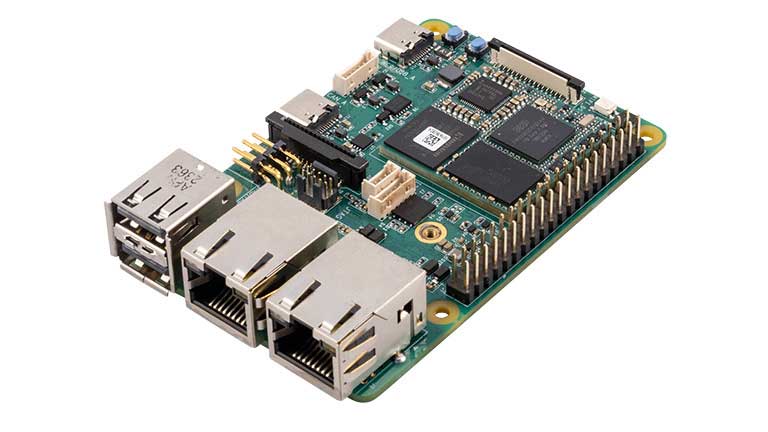
Avnet MaaXBoard OSM93 Development Kit Features NXP i.MX 93 SoC for Edge AI Applications
Avnet MaaXBoard OSM93 is a NXP i.MX 93 Cortex-M55/M33 AI SoC powered SBC in a Raspberry Pi from factor. The SBC is built around a Size-S OSM module and supports different Raspberry Pi HATs. This SBC is equipped with 2GB LDDR4 and 16GB eMMC flash, and MIPI CSI and DSI interfaces for the...
Continue Reading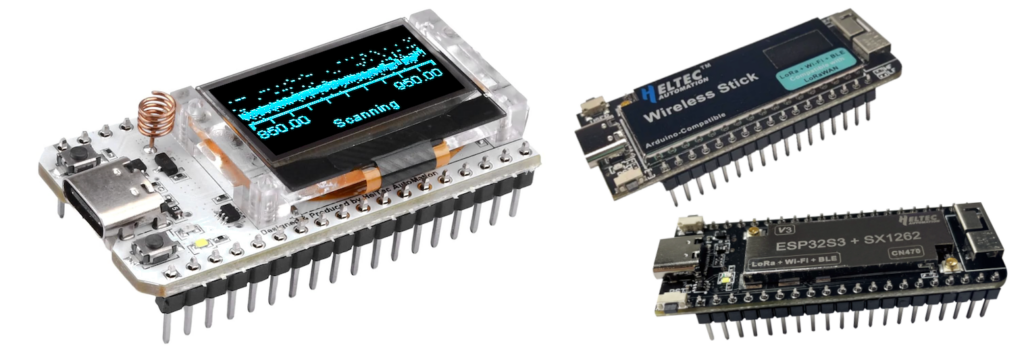
Heltec ESP32 LoRa V3 Dev Board Gets an Open-Sourced Library Thanks to Rop Gonggrijp
Developer Rop Gonggrijp has developed an "unofficial library" specifically for Heltec Automation's popular development boards based on the Espressif ESP32-S3 chip, addressing the challenges developers face with the original software. According to Heltec documentation, this board is...
Continue Reading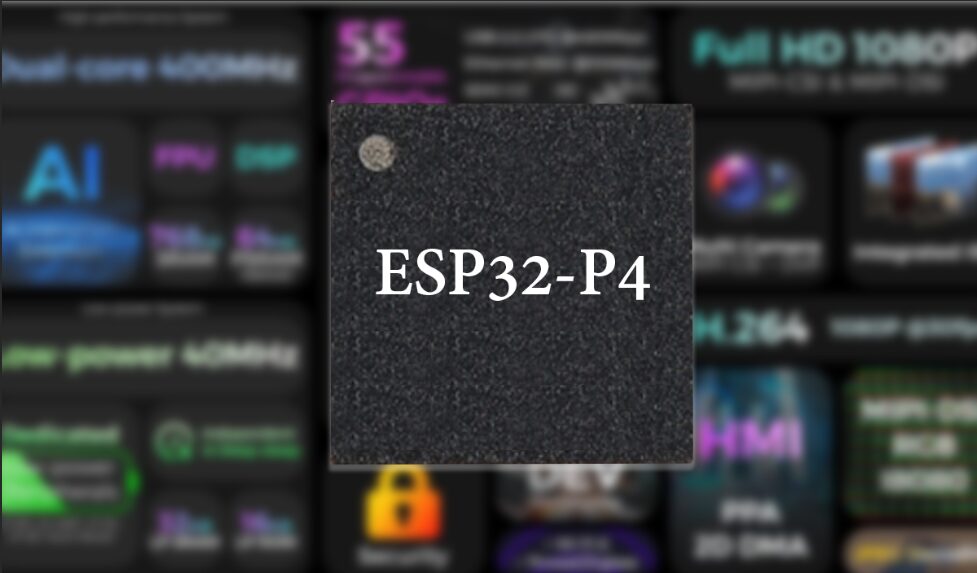
Espressif Announces ESP32-P4 SoC with Dual-Core 400MHz CPU, AI Instructions, HMI, MIPI-CSI, and more
Espressif Systems just announced their latest and greatest module the ESP32-P4. The most interesting thing about this SoC is that it doesn't have a Radio Module built-in, meaning No Wi-Fi or Bluetooth capabilities. Other than that it features a new RISC-V dual-core CPU clock at 400MHz...
Continue Reading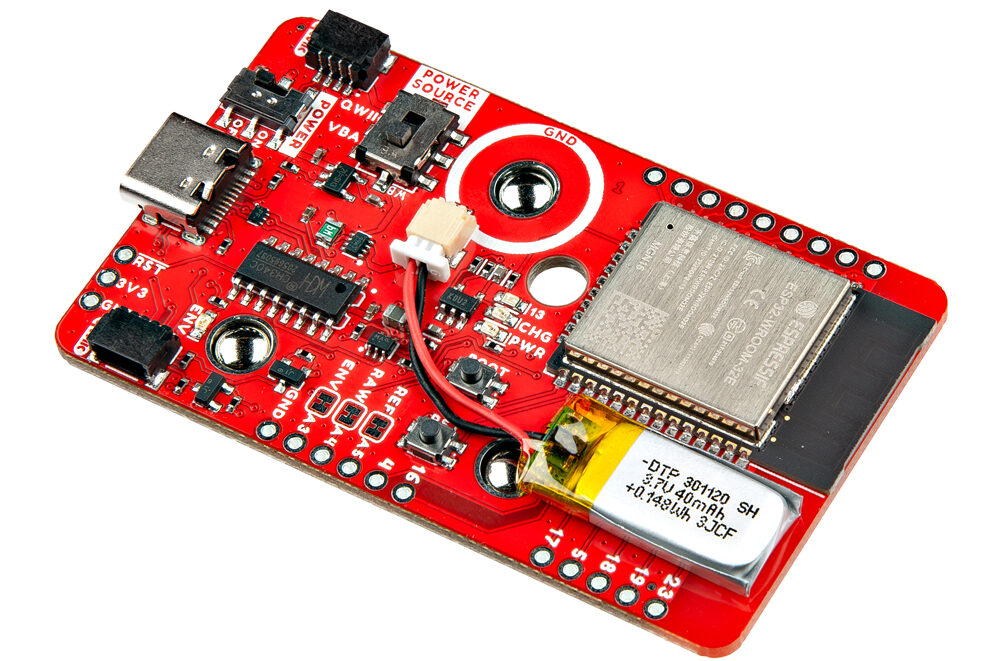
Advanced Muscle Sensing with SparkFun MyoWare 2.0 Wireless Shield Featuring an ESP32-WROOM Module
The SparkFun MyoWare 2.0 Wireless Shield can be called an accessory designed to work seamlessly with the MyoWare 2.0 Muscle Sensor. The module is built around an ESP32-WROOM module and houses a built-in 40mAh LiPo battery for wearable applications. Application includes Prosthetics and...
Continue Reading