login
login




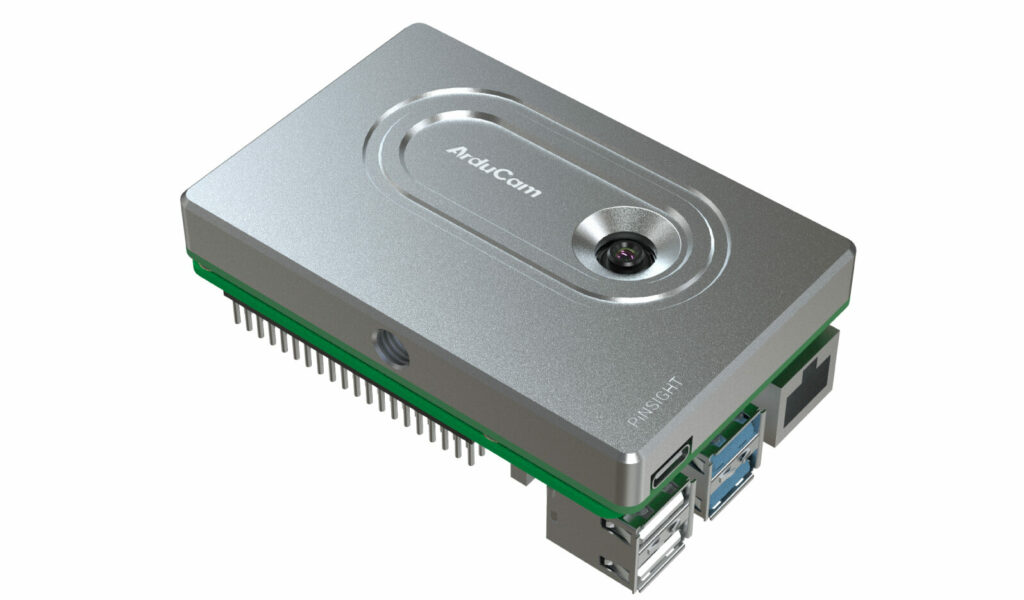
ArduCam PiNSIGHT is An AI Camera Board for the New Raspberry Pi 5
Arducam PiNSIGHT is a 12.3MP auto-focus enabled AI camera board designed to work with the new Raspberry Pi 5 module. It features a Luxonis OAK-SoM, enabling it to run local computer vision algorithms with a processing power of 4 TOPS. The PiNSIGHT AI Mate is mounted beneath the...
Continue Reading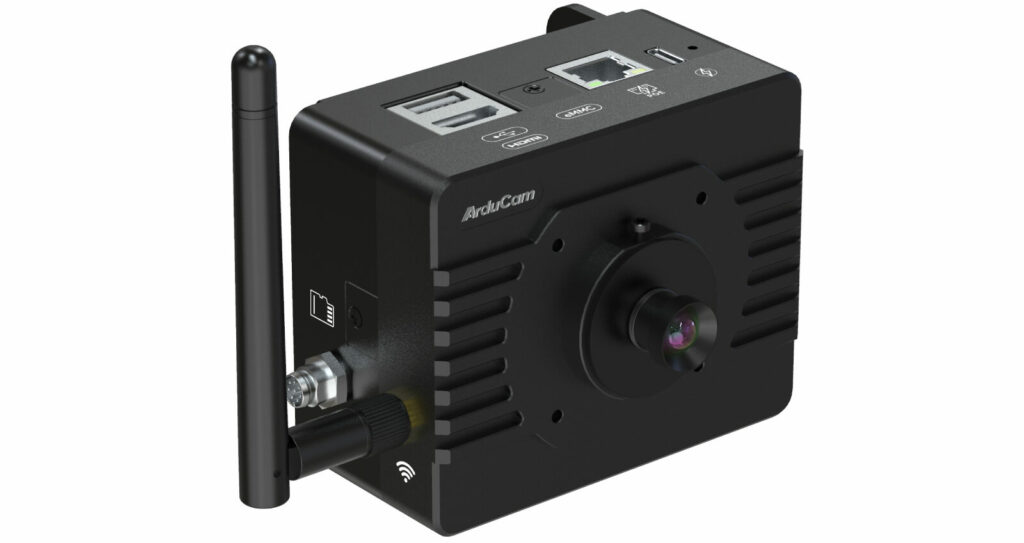
ArduCam KingKong – An RPi CM4-Based AI Edge Camera That Combines OAK-SoM
Arducam has recently announced the ArduCam KingKong a Raspberry Pi CM4-based Smart Edge AI camera based on Luxonis OAK-SoM all housed in a compact metal casee. This camera module is similar to the Raspberry Pi 5-powered Arducam PiINSIGHT camera which we've written about in a previous...
Continue Reading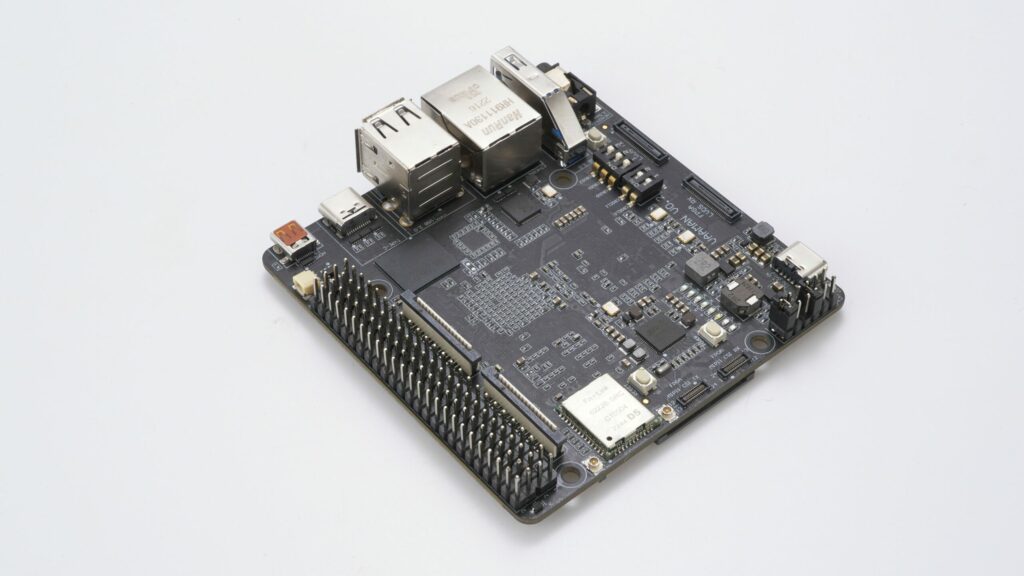
Vaaman is an RK3399-Powered SBC with Efinix Trion T120 FPGA
The Vaaman is an RK3399-powered SBC that also includes an Efinix Trion T120 FPGA onboard. The RK3399 SoC can be used for powerful yet energy-efficient computing where as the Efinix Trion T120 FPGA can be used for customizable hardware acceleration. The board is powered by a Rockchip...
Continue Reading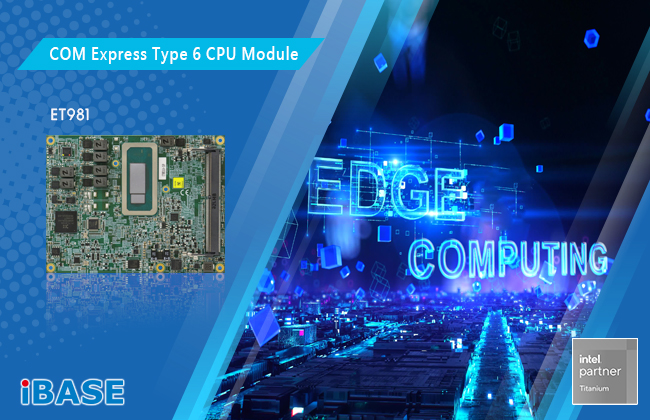
IBASE Debuts ET981 COM Express Type 6 CPU Module
IBASE Technology Inc. , a leading embedded computing provider, debuts the ET981 COM Express Type 6 (3.0) CPU module. Designed to excel in industrial, medical, transportation, and edge computing applications, the ET981 harnesses the power of 13th Gen Intel® Core™ processors,...
Continue Reading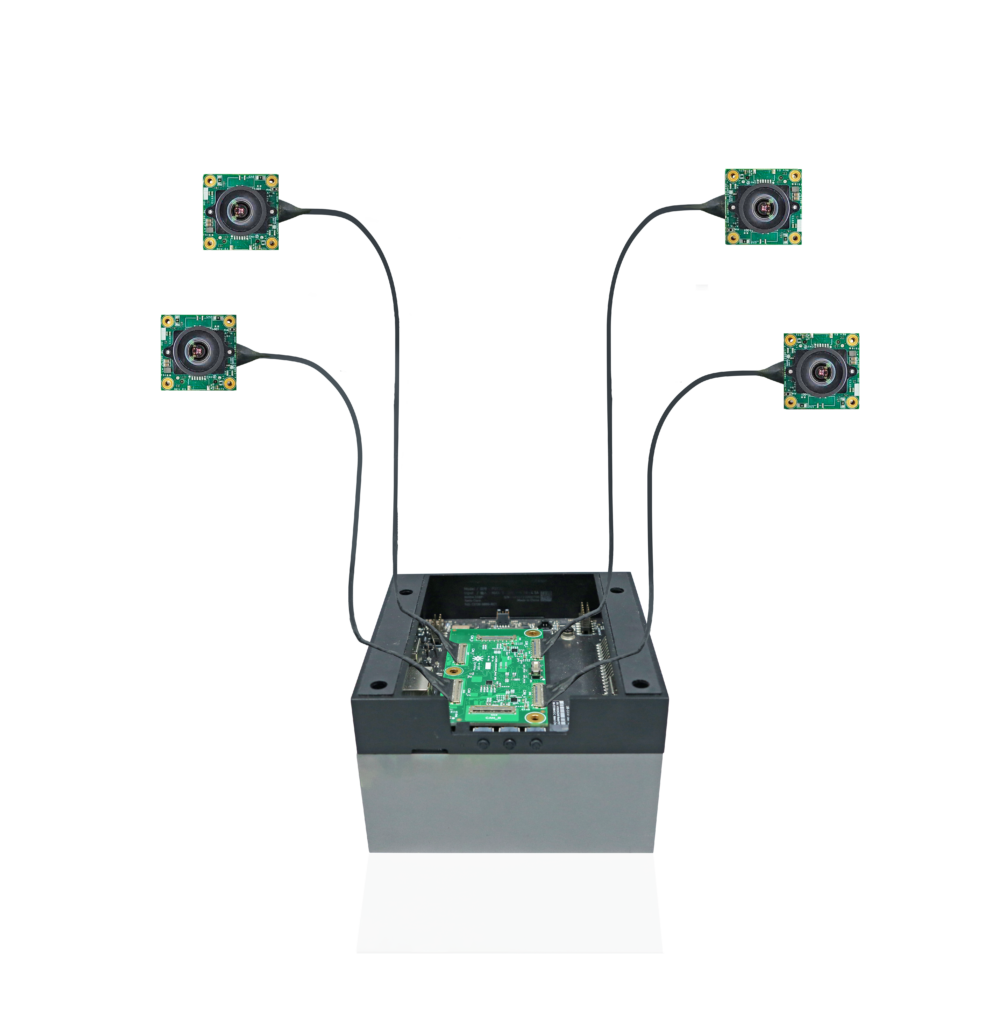
e-con Systems launches New High Resolution Global Shutter Camera: Precision Imaging at High Frame Rate
e-con Systems™, a global leader in embedded vision solutions, introduces a 5MP Global shutter Color camera — e-CAM56_CUOAGX, the latest addition to its esteemed Sony® Pregius S camera series for NVIDIA Jetson Orin. e-CAM56_CUOAGX is engineered to capture fast-moving objects at...
Continue Reading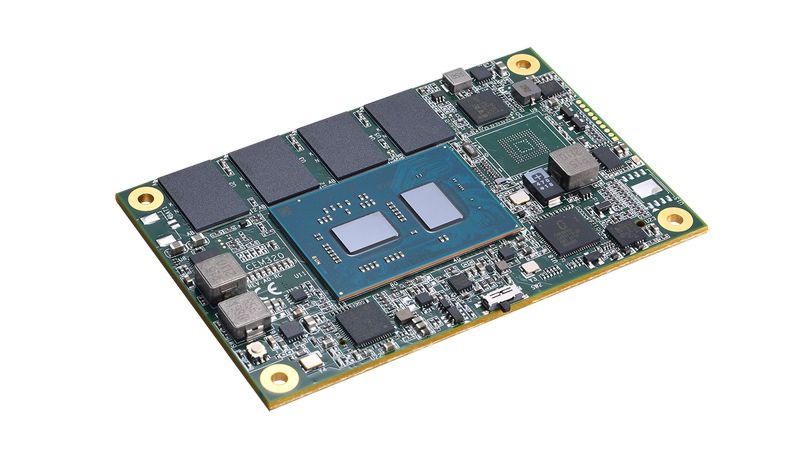
Axiomtek’s CEM320 Delivers Optimized Processing and Graphics Performance with Low Power Consumption
Axiomtek – a world-renowned leader relentlessly devoted to the research, development, and manufacture of a series of innovative and reliable industrial computer products of high efficiency – is pleased to introduce the CEM320, a new addition to its lineup of COM Express Type 10...
Continue Reading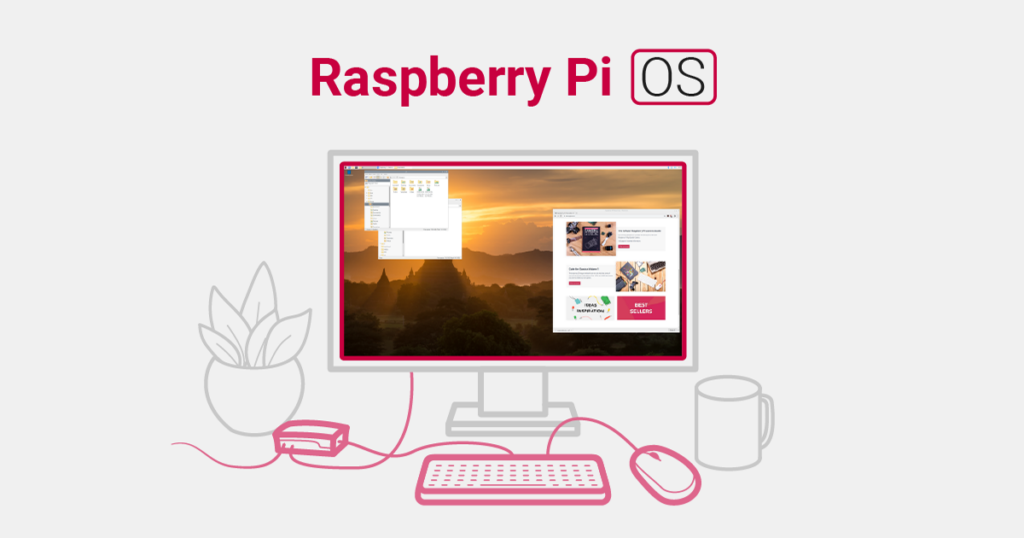
Raspberry Pi OS Upgrades to Linux 6.6 LTS, Enhances Raspberry Pi 5 Compatibility
The Raspberry Pi Foundation has rolled out an updated version of its Debian-based operating system, Raspberry Pi OS, tailored for Raspberry Pi single-board computers (SBCs). This new release introduces significant enhancements, including a transition to the Linux 6.6 LTS kernel series,...
Continue Reading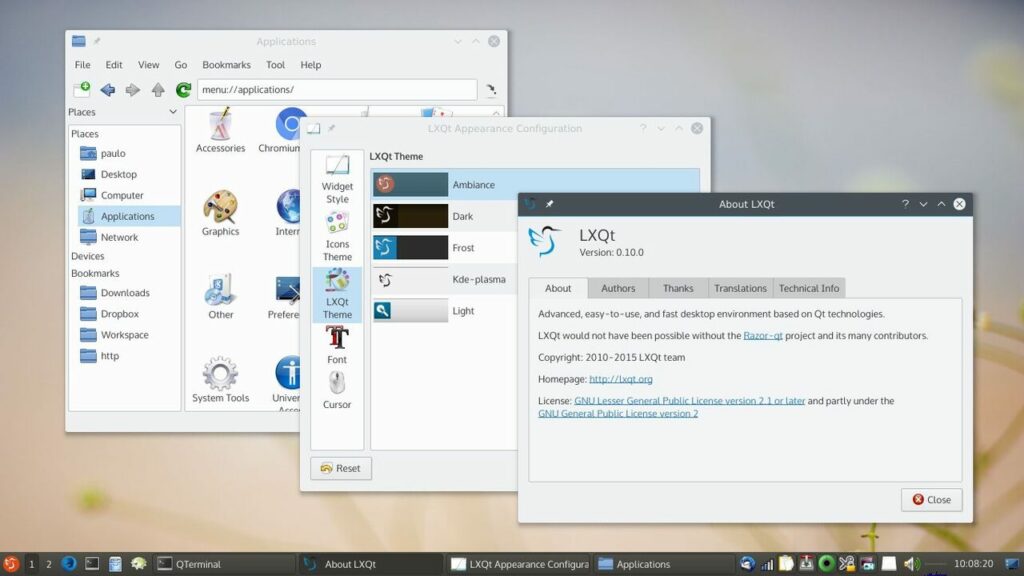
Exploring DietPi 9.1: New Images for Radxa Rock 4 SE and Raspberry Pi 5, Performance Enhancements, and Power Savings
DietPi, known for its lightweight and adaptable nature, has just rolled out DietPi 9.1, the latest version built on Debian 12.5. One of the key highlights of this update is the addition of new images tailored specifically for Raspberry Pi 5, complemented by updates for other Raspberry...
Continue Reading