login
login




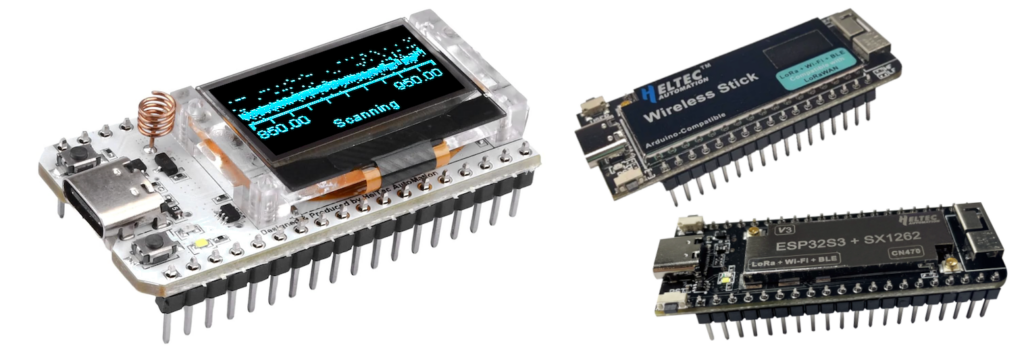
Heltec ESP32 LoRa V3 Dev Board Gets an Open-Sourced Library Thanks to Rop Gonggrijp
Developer Rop Gonggrijp has developed an "unofficial library" specifically for Heltec Automation's popular development boards based on the Espressif ESP32-S3 chip, addressing the challenges developers face with the original software. According to Heltec documentation, this board is...
Continue Reading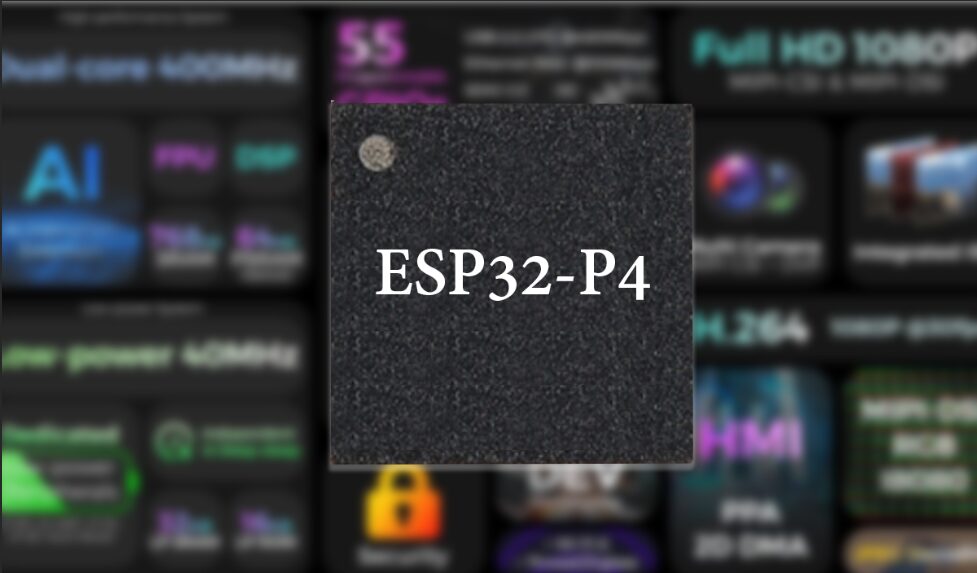
Espressif Announces ESP32-P4 SoC with Dual-Core 400MHz CPU, AI Instructions, HMI, MIPI-CSI, and more
Espressif Systems just announced their latest and greatest module the ESP32-P4. The most interesting thing about this SoC is that it doesn't have a Radio Module built-in, meaning No Wi-Fi or Bluetooth capabilities. Other than that it features a new RISC-V dual-core CPU clock at 400MHz...
Continue Reading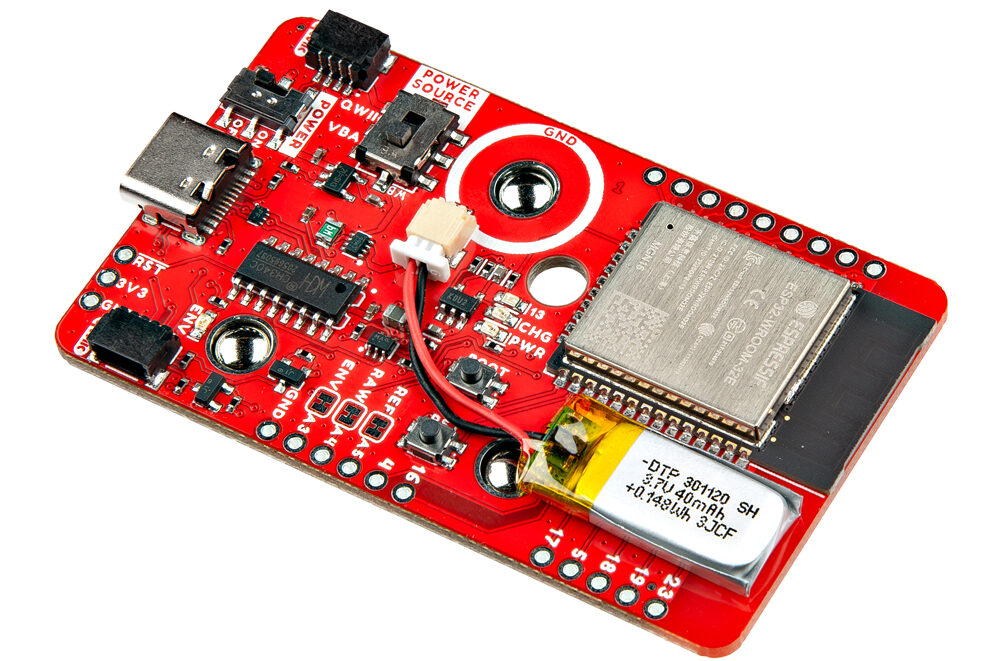
Advanced Muscle Sensing with SparkFun MyoWare 2.0 Wireless Shield Featuring an ESP32-WROOM Module
The SparkFun MyoWare 2.0 Wireless Shield can be called an accessory designed to work seamlessly with the MyoWare 2.0 Muscle Sensor. The module is built around an ESP32-WROOM module and houses a built-in 40mAh LiPo battery for wearable applications. Application includes Prosthetics and...
Continue Reading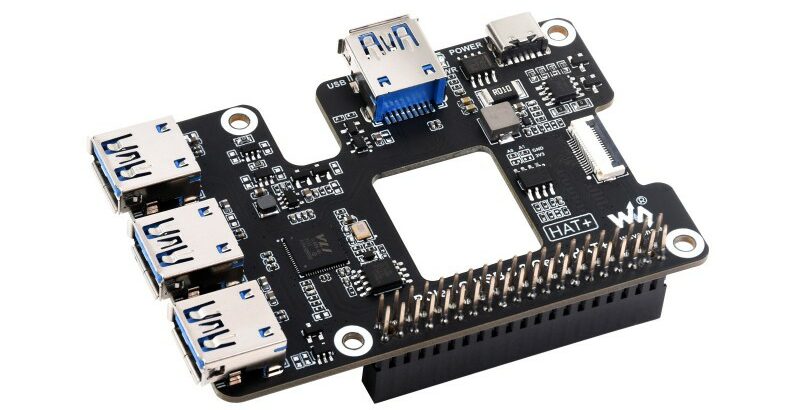
Add four USB 3.2 ports to your Raspberry Pi 5 with the Waveshare PCIe to USB HAT+
The Waveshare PCIe to USB HAT+ is designed to extend the capabilities of the Raspberry Pi 5 or the Rockchip Rock Pi boards by adding four more USB 3.2 high-speed USB ports. The module will also feature real-time power status monitoring and allow USB power management through software....
Continue Reading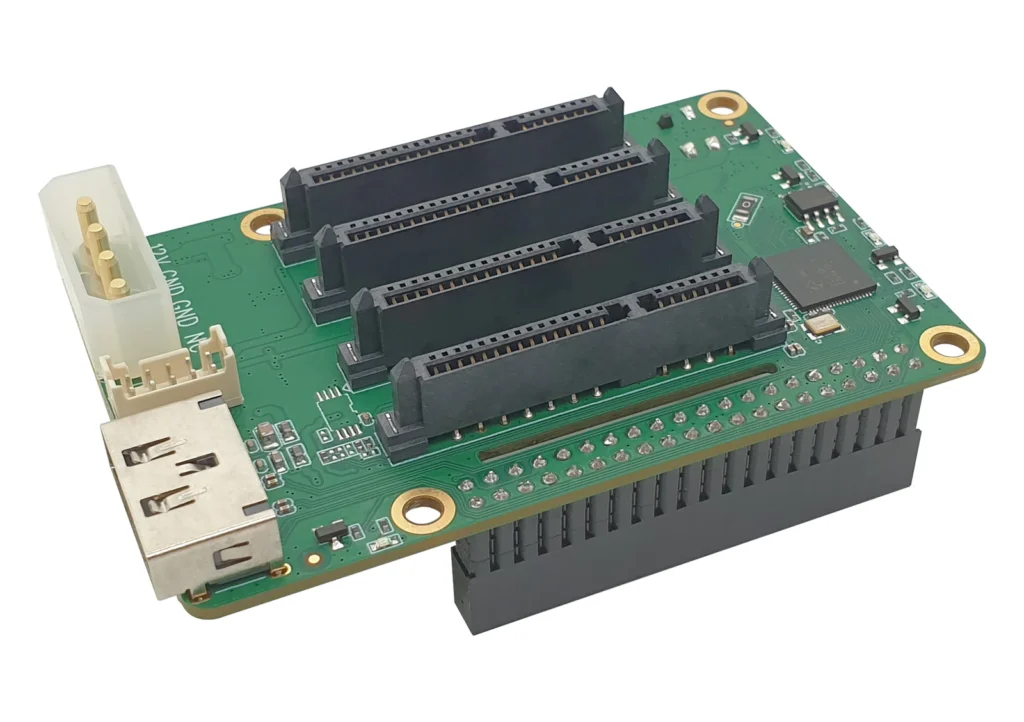
Radxa Penta SATA HAT for RPi and Rock Pi Supports up to 5, 100TB SATA HDD
The Radxa Penta SATA HAT is a NAS board designed for RADXA's Rock Pi and Raspberry Pi, enabling the connection of up to five HDD/SSD drives. This allows for the construction of powerful NAS systems with up to 100TB of storage. The device supports up to five HDD/SSDs, four of which are...
Continue Reading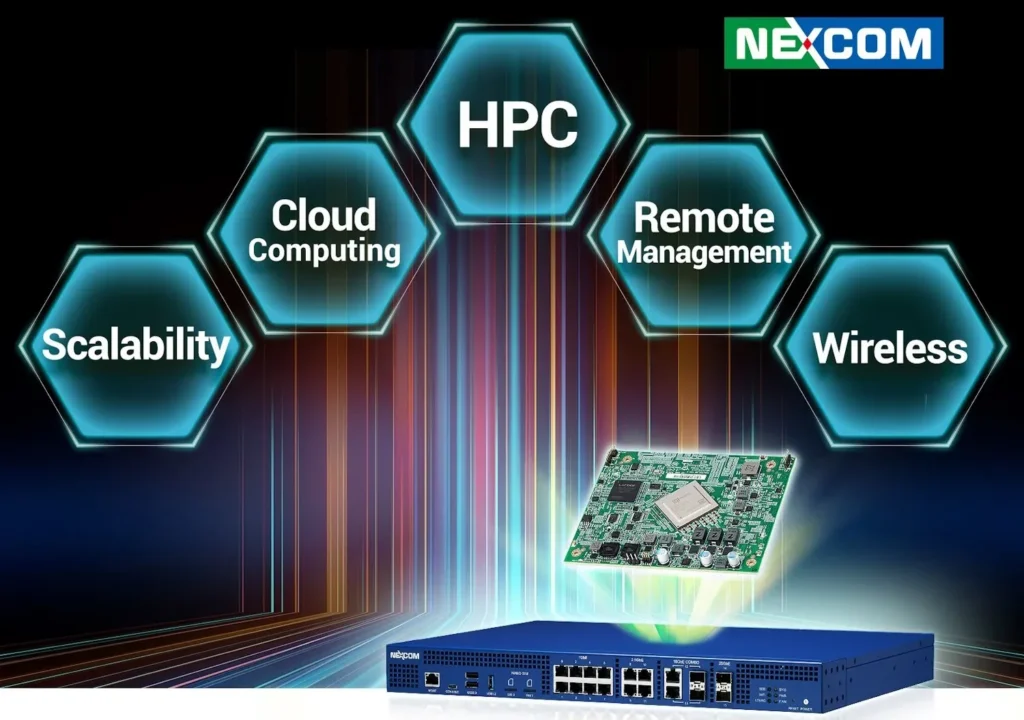
NEXCOM TCA 6710 – A 1U Rackmount Edge and Cloud Computing Solution Powered by Marvell OCTEON 10 Technology
The NEXCOM TCA 6710 is a 1U rackmount PC/server/AI Edge computer thingy, also referred to as an accessory, powered by the Marvell OCTEON 10 COM-HPC module. It features an 8-core 2.5GHz Armv9 Neoverse N2 processor with 25GbE ports for enhanced computing. Designed for scalable solutions,...
Continue Reading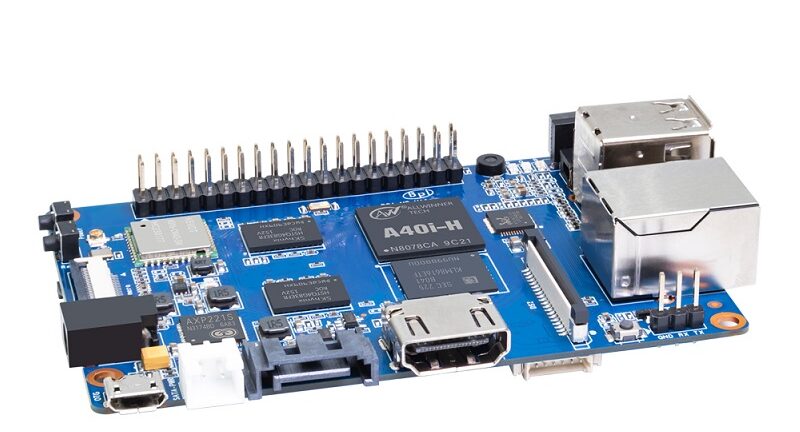
Banana Pi BPI-M2 Ultra – An Allwinner A40i-Powered SBC with SATA, WiFi, and Enhanced Media Performance
The Banana Pi BPI-M2 Ultra is an Allwinner A40i, Cortex-A7-based SBC which supports a wide -40°C to +85°C industrial temperature range. The SoC was first released in 2018, but the Banana Pi BPI-M2 Ultra is the first board to utilize this SoC. However, using an industrial-grade SoC...
Continue Reading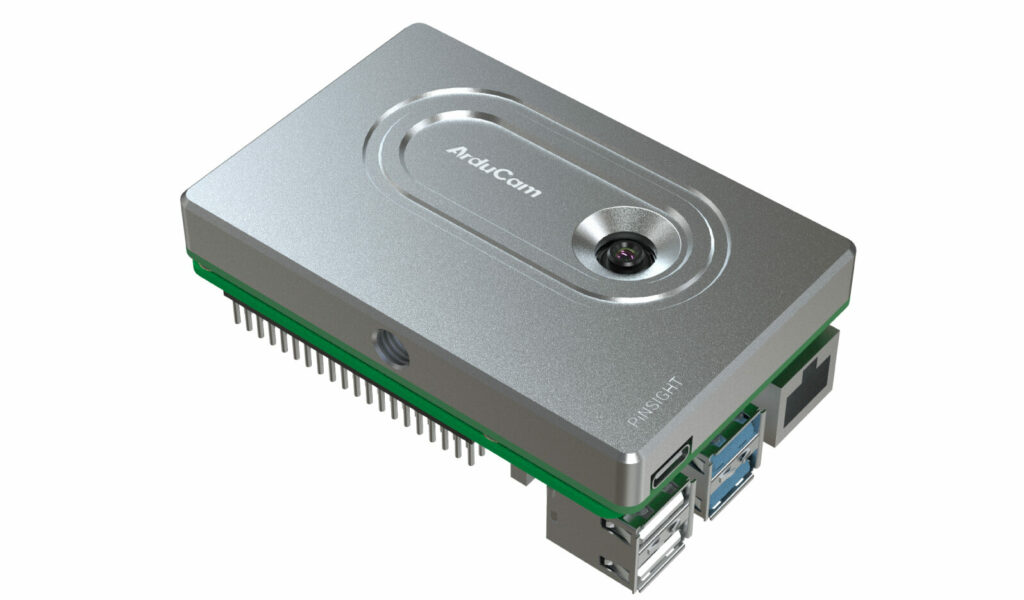
ArduCam PiNSIGHT is An AI Camera Board for the New Raspberry Pi 5
Arducam PiNSIGHT is a 12.3MP auto-focus enabled AI camera board designed to work with the new Raspberry Pi 5 module. It features a Luxonis OAK-SoM, enabling it to run local computer vision algorithms with a processing power of 4 TOPS. The PiNSIGHT AI Mate is mounted beneath the...
Continue Reading