login
login




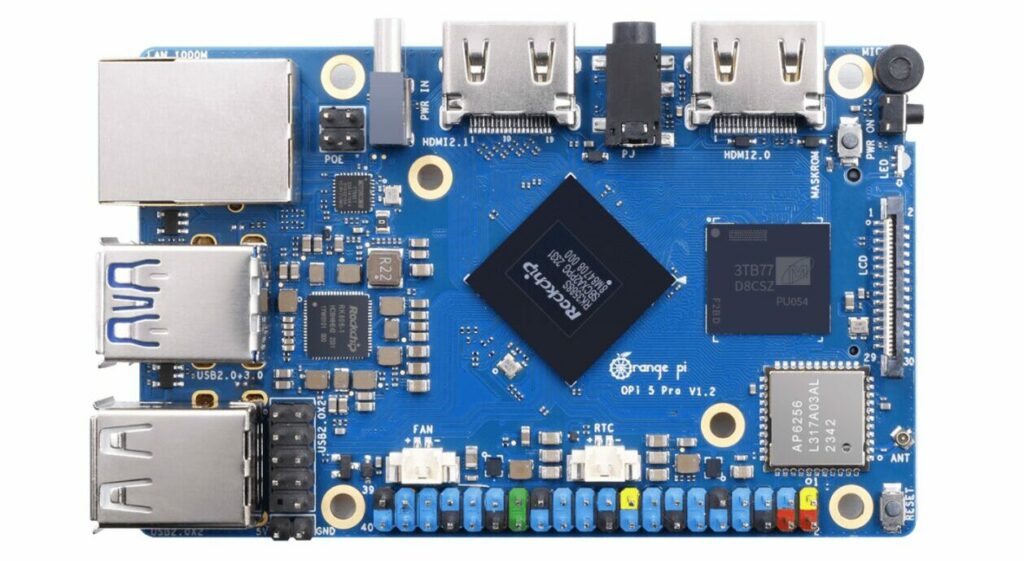
Upcoming Orange Pi Pro to Feature K3588S Chipset with LPDDR5 RAM and PoE+ support
In a recent announcement, orange has recently announced some key details about their latest Orange Pi 5 Pro SBC. From that, we know this new board will be built around the RK3588S SoC and It will have a GbE port with PoE+ support, M.2 Key slot for expansion, and Wi-Fi5/BT5.0...
Continue Reading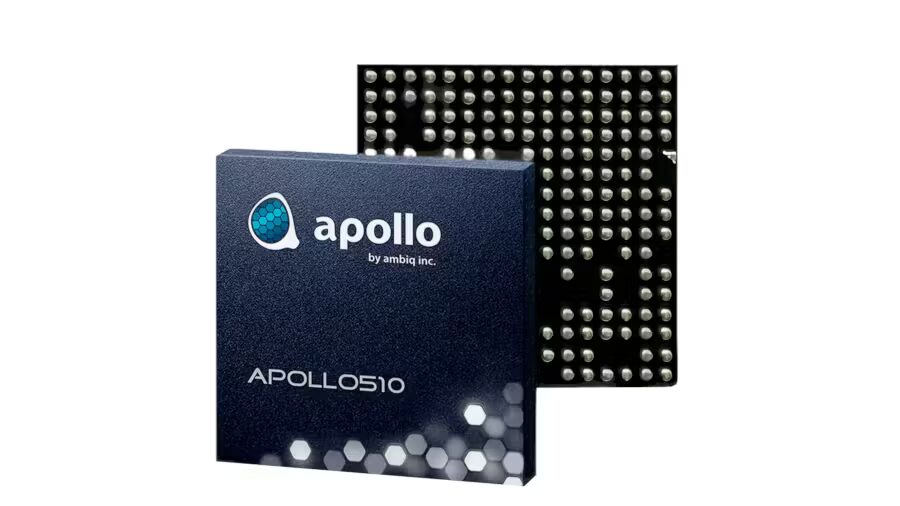
Ambiq Introduces Apollo510 Chip: Pioneering Energy-Efficient Edge AI
Ambiq, renowned for low-power "intelligent devices," has introduced its cutting-edge Apollo510 system-on-chip (SoC), heralding a significant advancement in energy efficiency and performance for edge AI applications. The Apollo510 brings forth a remarkable 30-fold improvement in power...
Continue Reading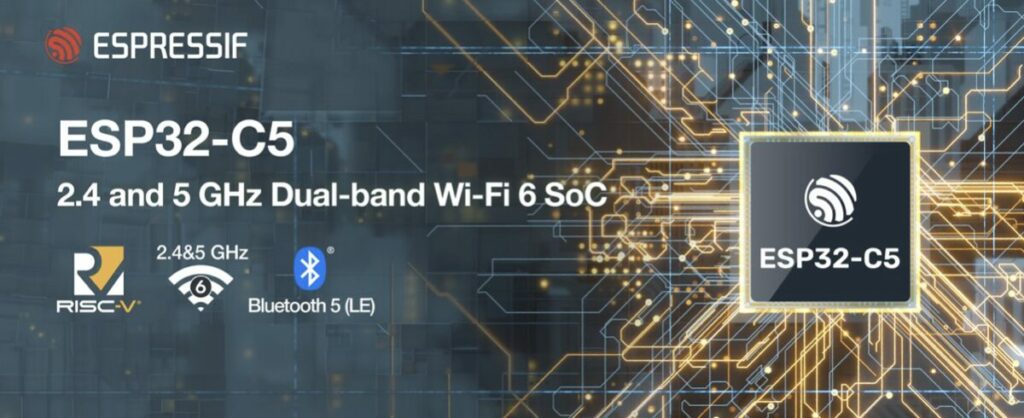
Espressif’s ESP32-C5 Features a Dual-Band Wi-Fi 6 Radio with MU-MIMO, TWT, and More
Espressif Systems has recently introduced the ESP32-C5 a MCU with dual-band (2.4 & 5.0 GHz) WiFi-6 and Bluetooth 5.0 LE support. Previously we have seen Espressif release many MCU such as the ESP32-C6, and ESP32-C61, both of which are capable of handling 2.4GHz radio connectivity,...
Continue Reading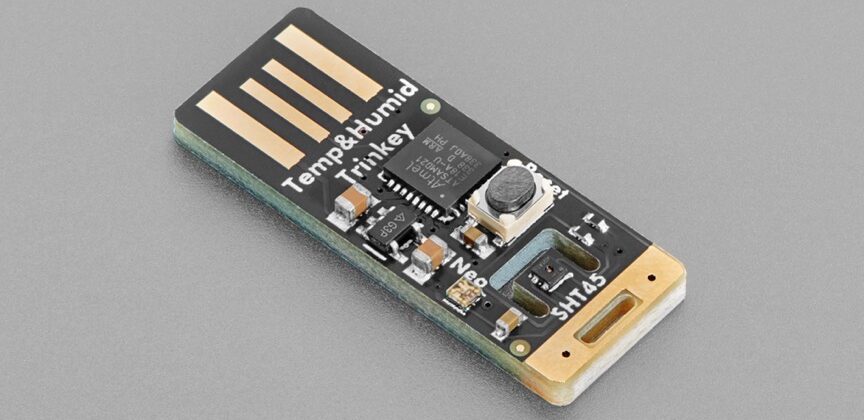
Adafruit’s Trinkey is A Thumb-Drive-Sized Temperature and Humidity Sensor
Adafruit has recently added two new members to the Trinkey family, the Adafruit SHT45 Trinkey and the Adafruit SHT41 Trinkey both of those are designed to add temperature and humidity-sensing capabilities to any USB HOST device. The main difference between the two boards lies in their...
Continue Reading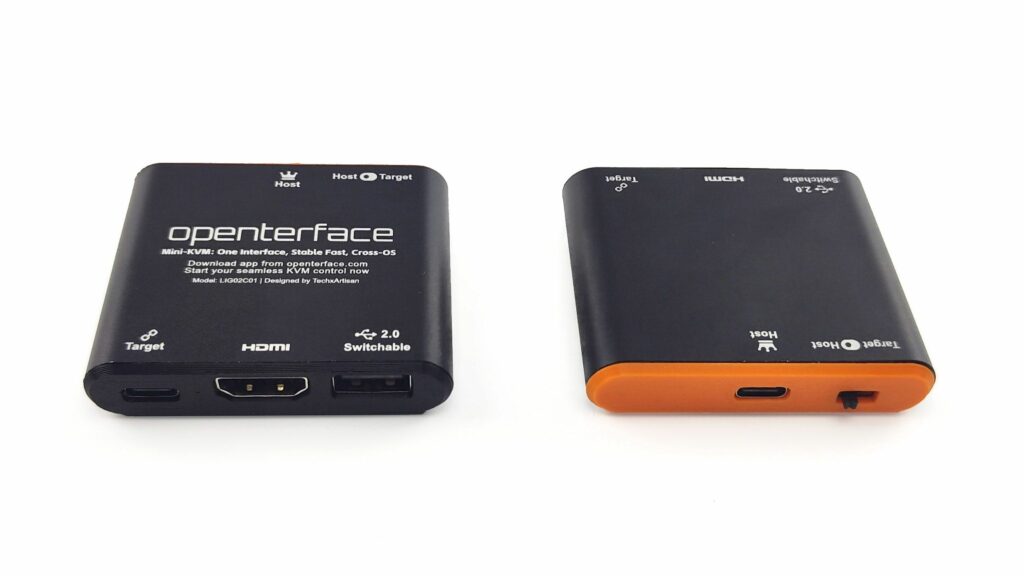
Experience Effortless Device Control with Openterface Mini-KVM
Openterface Mini-KVM offers a simple solution for managing headless devices like mini PCs, kiosks, or servers directly from your laptop or desktop. This plug-and-play tool lets you control your target device without needing extra peripherals such as keyboards, mice, or monitors. Key...
Continue Reading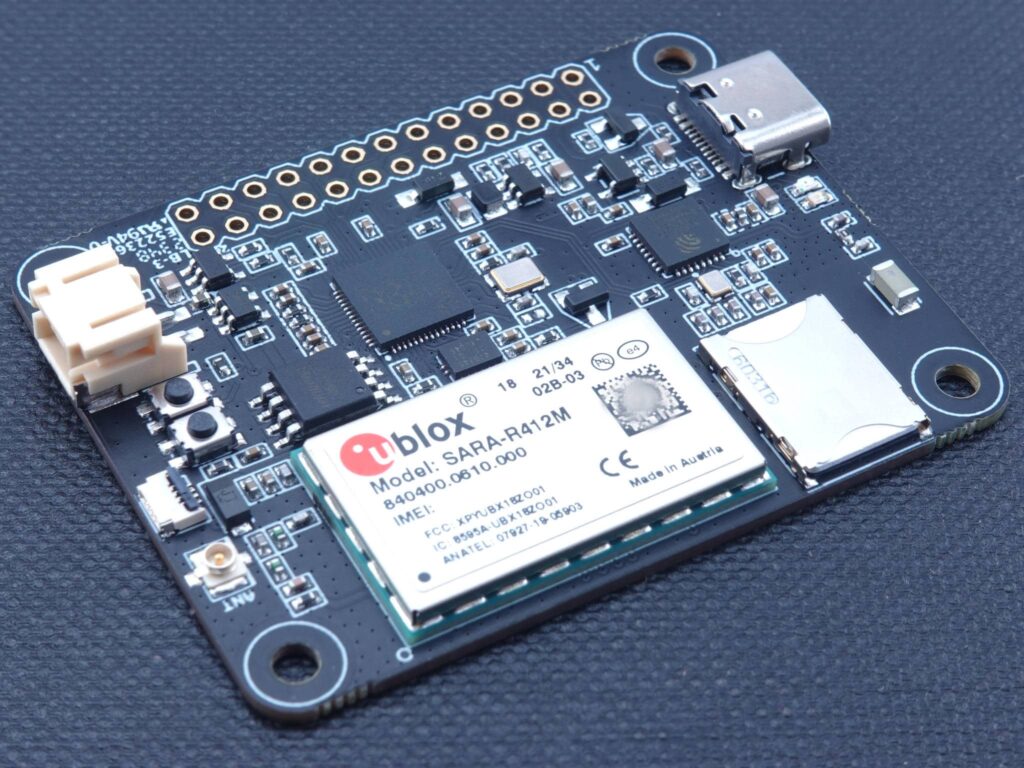
ILABS’ RP2040 Board Empowers IoT with Wi-Fi, BLE, and Cellular Support
ILABS, a leading European embedded electronics specialist, has unveiled the RP2040 Connectivity Board, a feature-rich development board centered around Raspberry Pi's cost-effective RP2040 microcontroller unit (MCU). This board is designed to offer comprehensive connectivity solutions...
Continue Reading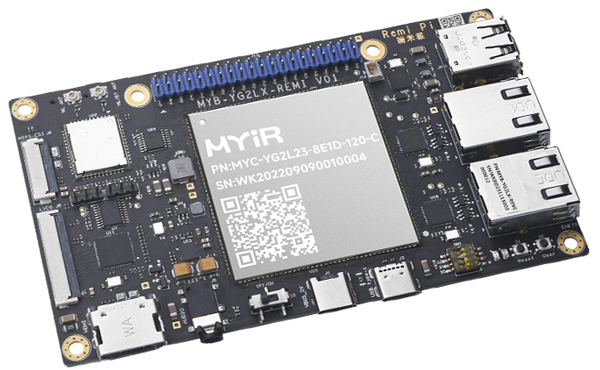
MYIR Unveils $55 Remi Pi Computer Board Powered by Renesas RZ/G2L MPU
MYIR has launched the Remi Pi, a unique and compact computer board that offers an affordable solution based on the Renesas RZ/G2L MPU, which takes into account the needs of serious product development and hobbyist creativity. The Remi Pi leverages the RZ/G2L, a dual-core Arm Cortex-A55...
Continue Reading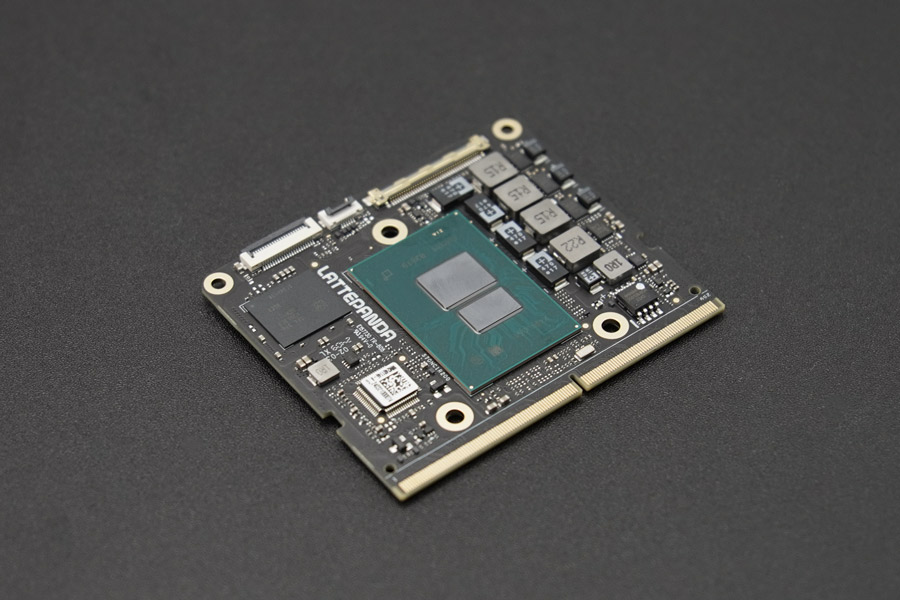
LattePanda Team Launches LattePanda Mu – a Micro x86 Compute Module for Custom Design Solutions
The LattePanda team launched the LattePanda Mu, an exceptional micro x86 compute module poised to swiftly empower custom design solutions. With an Intel N100 CPU, it is compatible with Windows and Linux operating systems. The LattePanda Mu demonstrates superior CPU performance compared...
Continue Reading