login
login




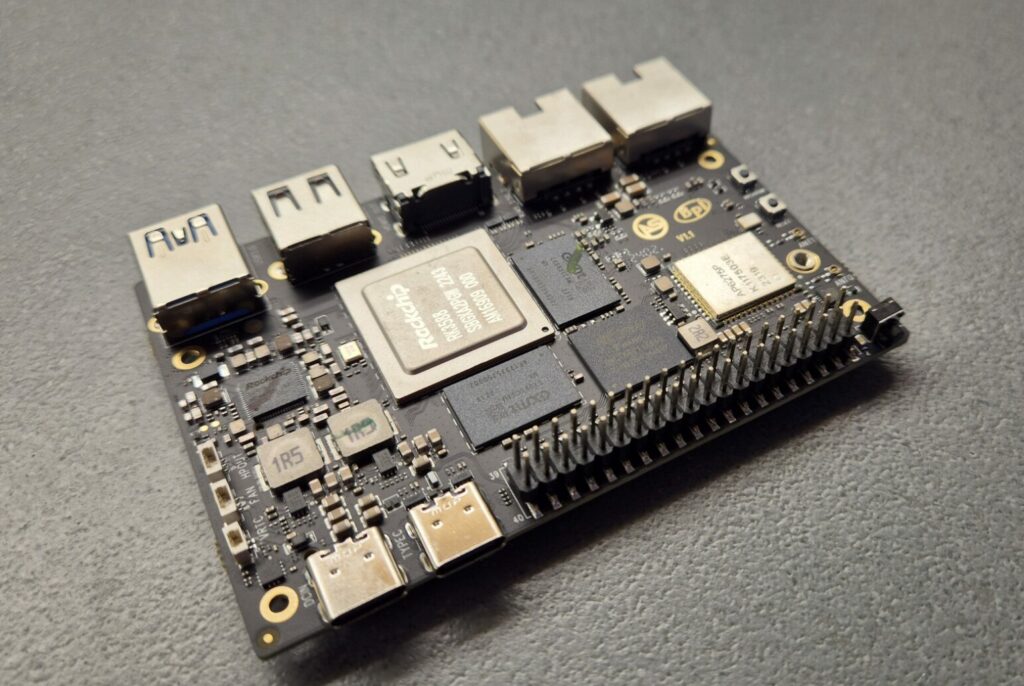
ArmSom Sige7 Review- A Rockchip RK3588 SBC with Dual 2.5GbE Ethernet, NVMe Storage, and Triple Display Output
Introduction The ArmSoM-Sige7 is a compact single-board computer (SBC) powered by the RK3588, an octa-core 64-bit SoC clocked at 2.4 GHz. The SoC features a 6TOPS NPU for AI tasks and supports up to 32GB of LPDDR4x RAM and 128GB of eMMC flash storage. It includes an M.2 2280 socket for...
Continue Reading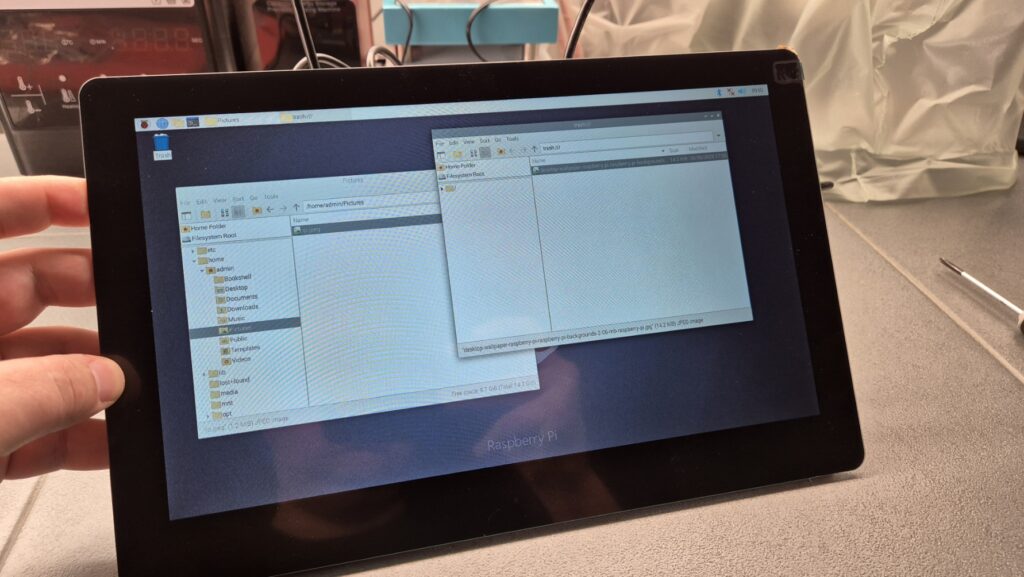
CrowVision 11.6” Capacitive Touch Display Review – Compatible with Raspberry Pi, BeagleBone, Jetson Nano, and More
The CrowVision is an 11.6” IPS Capacitive Touchscreen Display module specially designed to be attached to most single-board computers(SBC) with adjustable mounting holes in the back. The display features a resolution of 1366×768, so for an 11.6” it translates to 135ppi. It offers...
Continue Reading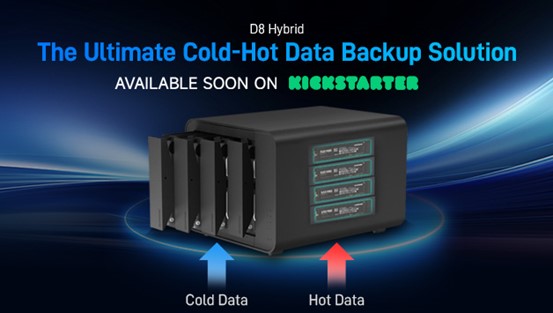
TerraMaster Launches the Industry’s First 8-bay 10Gbps Hybrid Storage with an Early Bird 33% Discount
TerraMaster, a professional brand that focuses on providing innovative storage products for homes and businesses, has recently released the D8 Hybrid which is the industry's first hybrid HDD NVMe SSD enclosure. It can hold 4 SATA HDDs/SSDs and 4 M.2 2280 NVMe SSDs, with a capacity of...
Continue Reading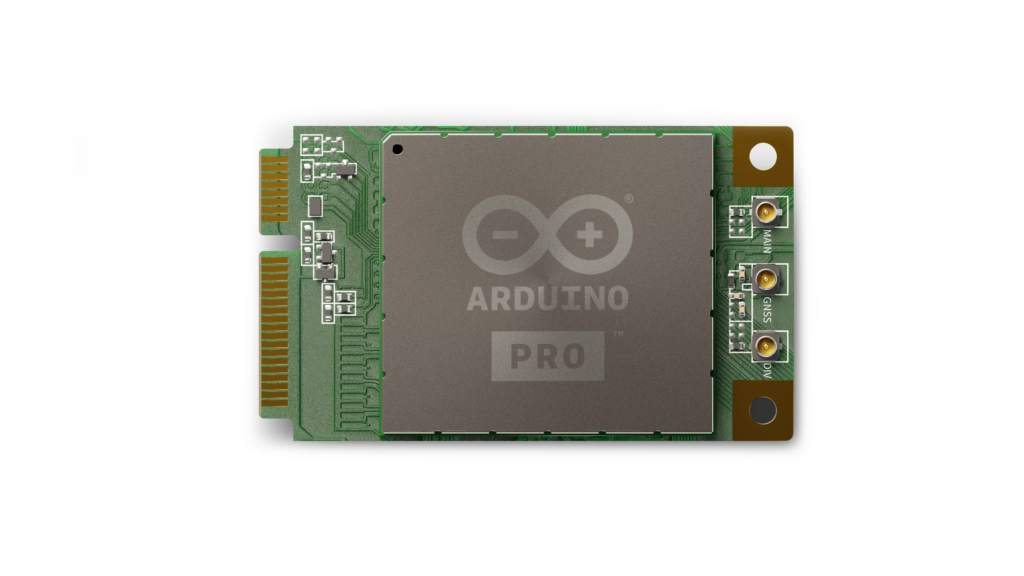
Arduino Introduces 4G Global Connectivity for Portenta in Mini-PCIe Form Factor
Arduino Pro has introduced a groundbreaking solution for IoT development with the launch of 4G global connectivity for its Portenta board, now available in a compact Mini-PCIe form factor. This innovation enables developers to swiftly create IoT devices with seamless global 4G cellular...
Continue Reading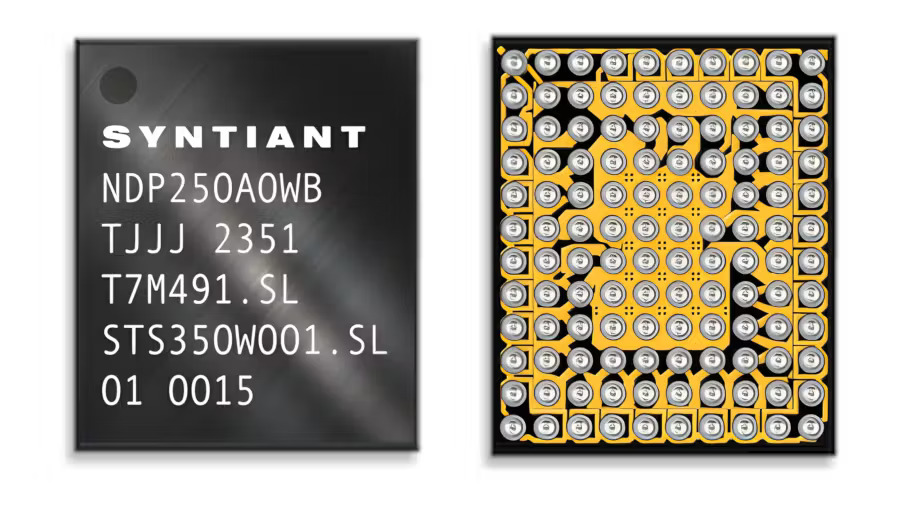
Syntiant Unveils NDP250: A Breakthrough in Microwatt AI Processing for Always-On Applications
Syntiant, a leading provider of on-device deep learning solutions, has introduced its latest innovation: the NDP250 Neural Decision Processor. Boasting an impressive 30 giga-operations per second (GOPS) performance, the NDP250 sets a new standard for efficiency in AI processing. This...
Continue Reading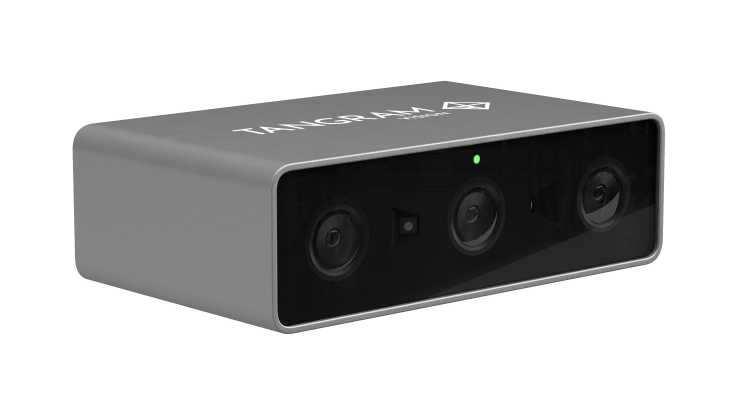
Tangram Vision Self-Calibrating HiFi 3D Sensor Features ROS 2 Integration and On-Device AI
The Team at Tangram Vision has recently introduced Self-Calibrating HiFi 3D Sensor a cutting-edge depth sensing solution designed primarily for robotics applications. The camera module integrates high-fidelity 3D sensing with on-device AI capabilities, to provide a Plug-'n'-Play...
Continue Reading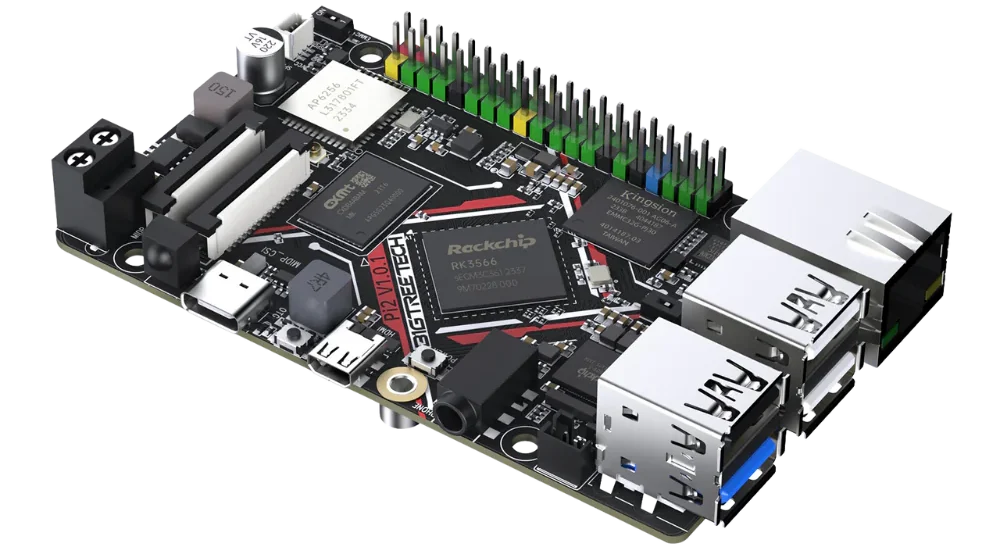
Rockchip RK3566 Powred BIGTREETECH Pi 2 Features Gigabit Ethernet, Dual-band Wi-Fi and more
The BIGTREETECH Pi 2 is a powerful single-board computer (SBC) powered by the Rockchip RK3566 chipset. It boasts 2GB of LPDDR4 RAM and a 32GB eMMC module, offering robust performance and ample storage capacity. With features like Gigabit Ethernet, dual-band Wi-Fi, and Bluetooth 5.2, it...
Continue Reading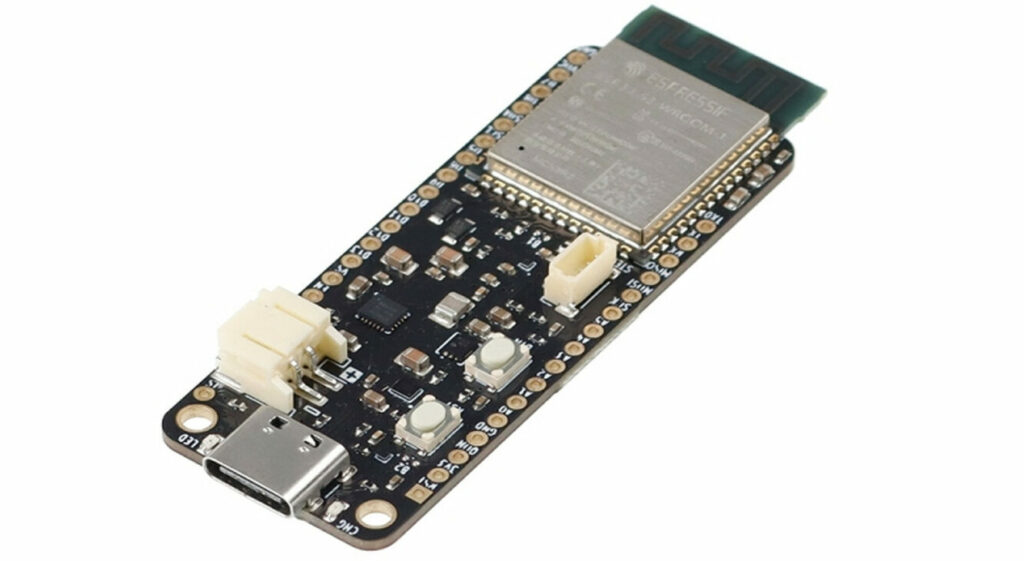
ESP32-S3 PowerFeather – An Adafruit Feather-shaped dev board with lithium battery and solar support
The ESP32 PowerFeather is a Low Power, solar-capable, Li-ion/LiPo powered IoT development board in a Feather-compatible format. The board is built around an ESP32-S3 and supports up to 18V DC input meaning you can directly connect your soler pannel to this board. Previously, we wrote...
Continue Reading