login
login




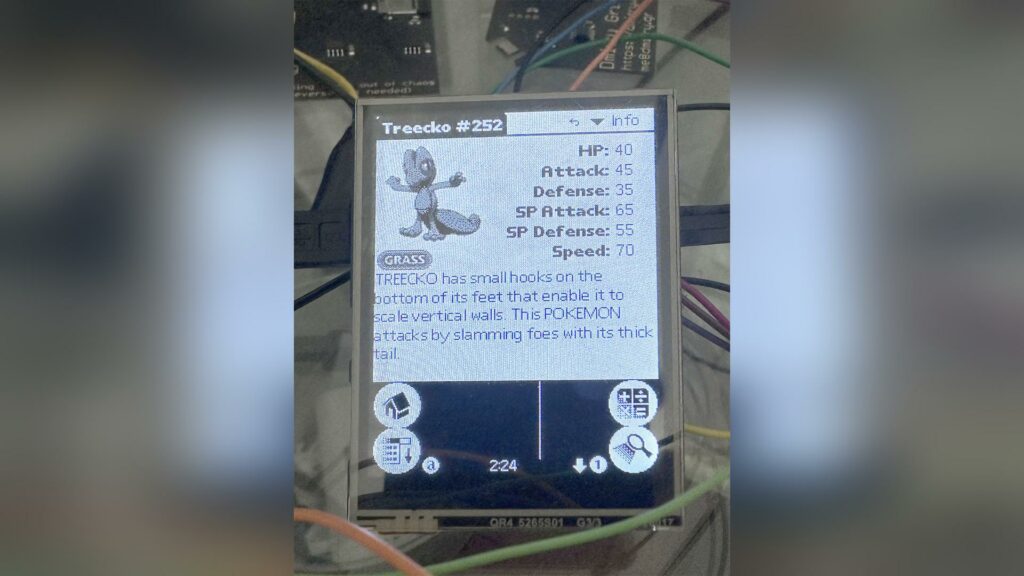
PalmOS can now run on a $4 Raspberry Pi Pico thanks to Dmitry Grinberg’s rePalm project
In an attempt to bring retro software to modern hardware, developer, and tinkerer Dmitry Grinberg has skillfully ported the once-beloved Palm OS 5 to a Raspberry Pi Pico, though with a few compromises. To any hardware enthusiast, the Raspberry Pi is known for its versatility,...
Continue Reading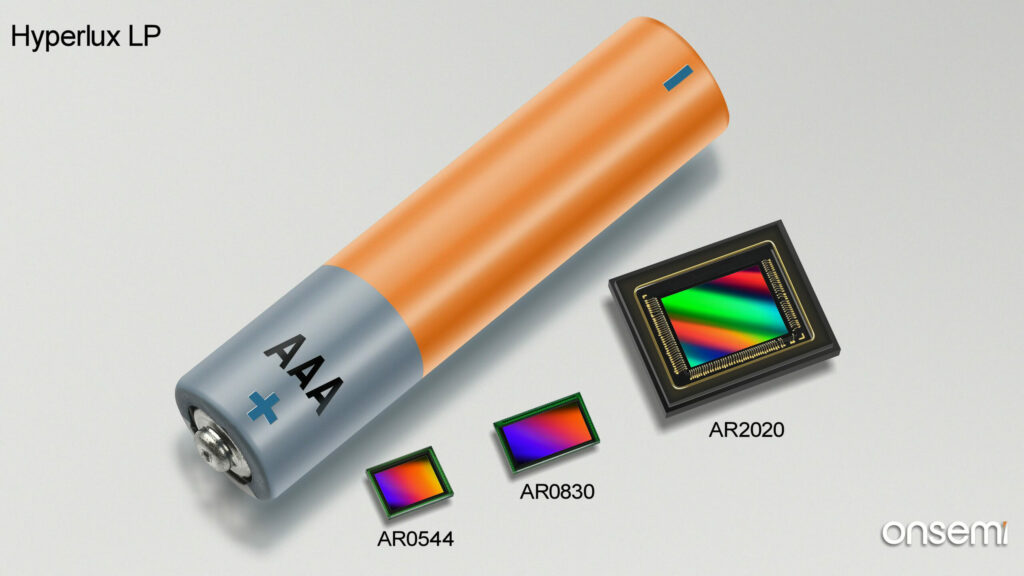
Onsemi’s Next-Gen Image Sensors can Extend Battery Life by up to 40%
Onsemi's Hyperlux LP family of sensors offers optimal image quality, uses minimal power, and works well in challenging lighting conditions. The sensor lineup comes in three variants, 5-megapixel, 8-megapixel, and 20-megapixel. With all these features they're perfect for things like...
Continue Reading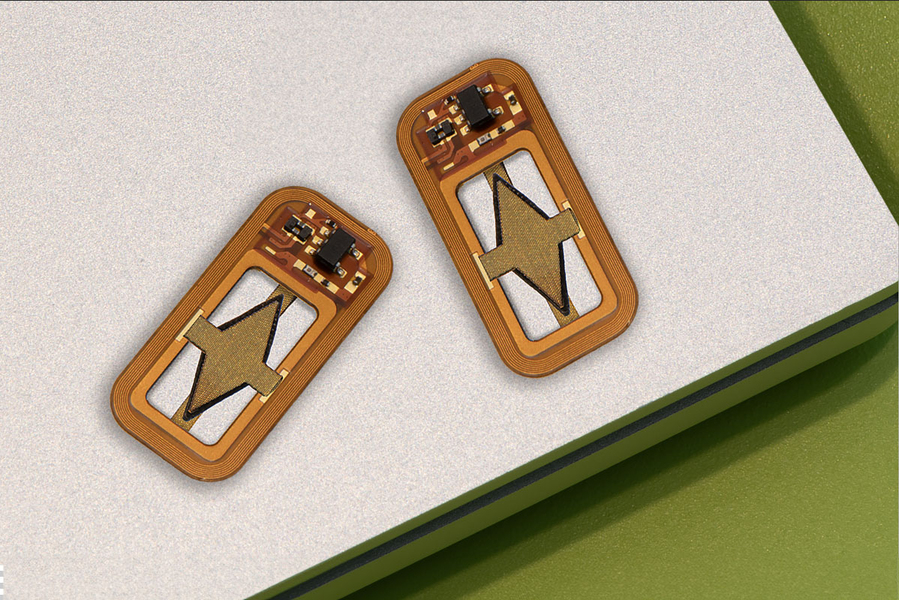
MIT’s Implantable Device Offers Needle-Free Diabetes Treatment
MIT engineers have developed an implantable device that treats Type 1 diabetes without an injection. The device contains islet cells that produce insulin and an oxygen generator that sustains and nourishes the cells. When tested with diabetic mice, the device effectively stabilized...
Continue Reading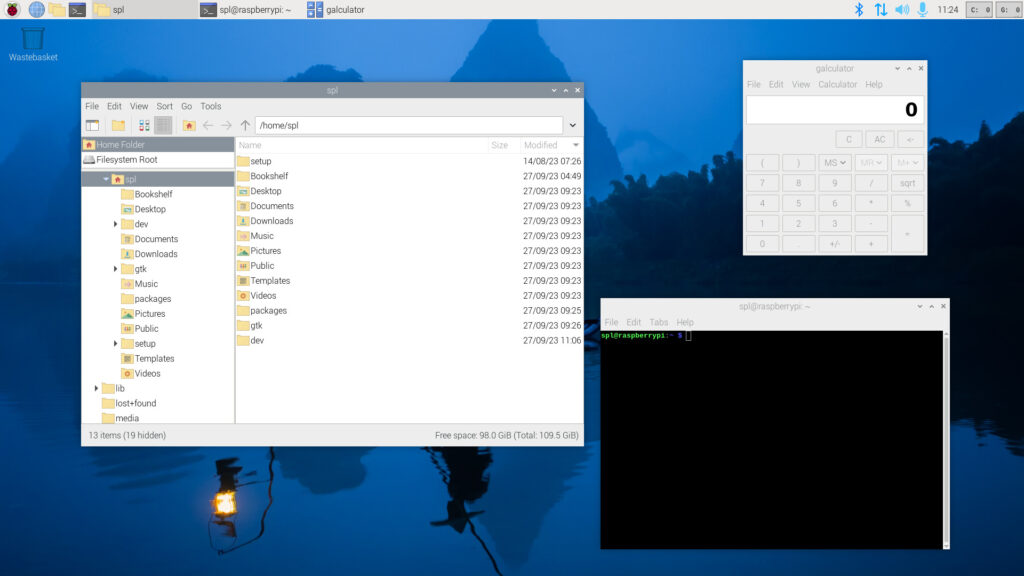
Bookworm – the new version of Raspberry Pi OS
Raspberry Pi has released a new version of their Raspberry Pi OS and it comes with an updated set of software, packages, and tooling available to their users. The new Raspberry Pi version 5 OS is based on the latest Debian Version 12 called “Bookworm”. The Debian 12 Bookworm is...
Continue Reading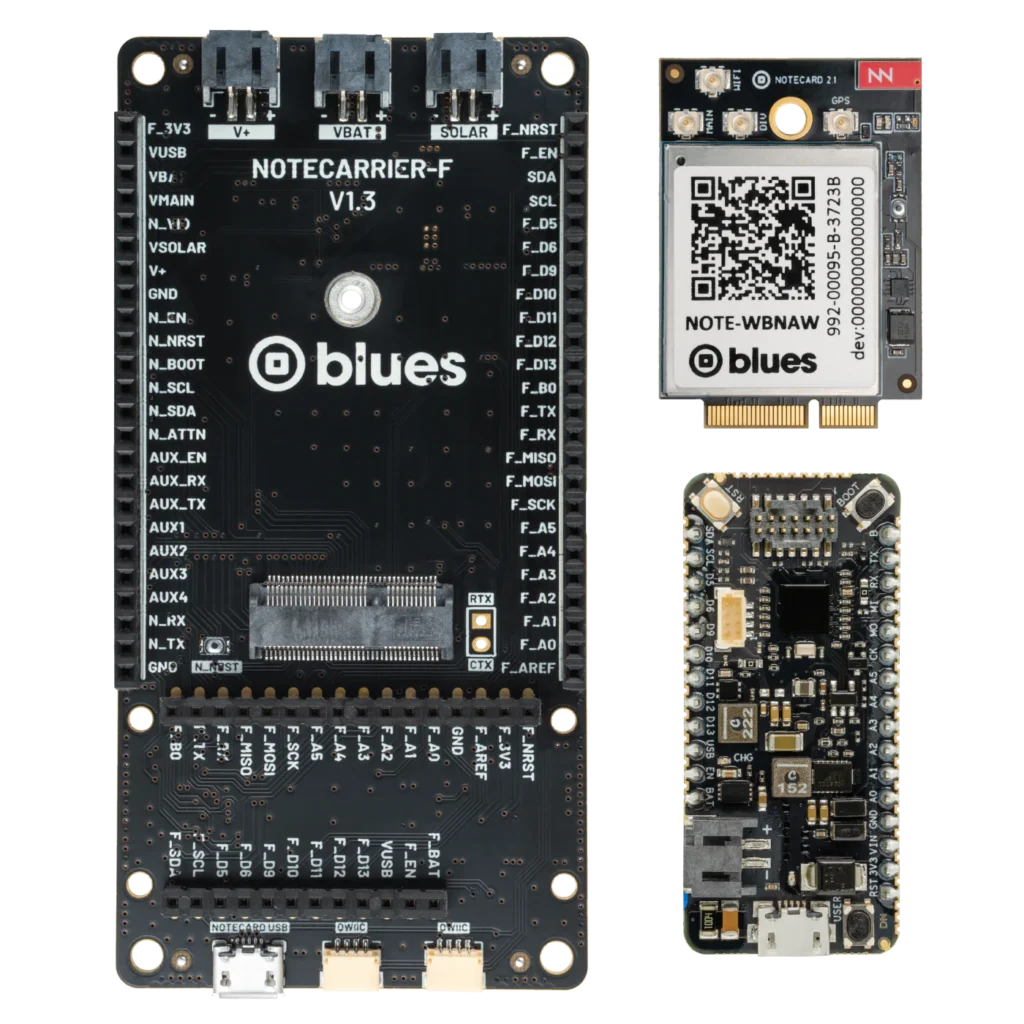
Simplify and Accelerate IoT Development Process with Recent Introduction from Blues Wireless
The Internet of Things (IoT) continues to improve daily life, revolutionizing and changing the traditional way of living into a high-tech lifestyle. It has indeed brought about an increased level of comfort and convenience to many and has also helped a lot of people and businesses...
Continue Reading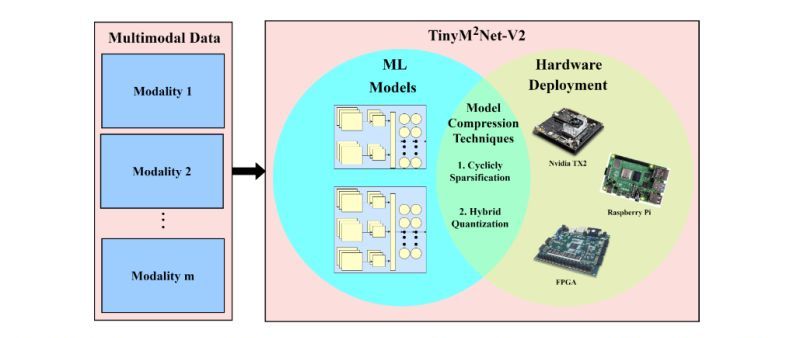
TinyM2Net is An ML Algorithm for Resource-Constrained Devices
TinyM2Net is a multimodal learning framework, designed to work with resource-constrained tiny devices like microprocessors and microcontrollers. When tested with COVID-19 audio detection and battlefield object detection, It outperformed similar recognition tools and worked well on a...
Continue Reading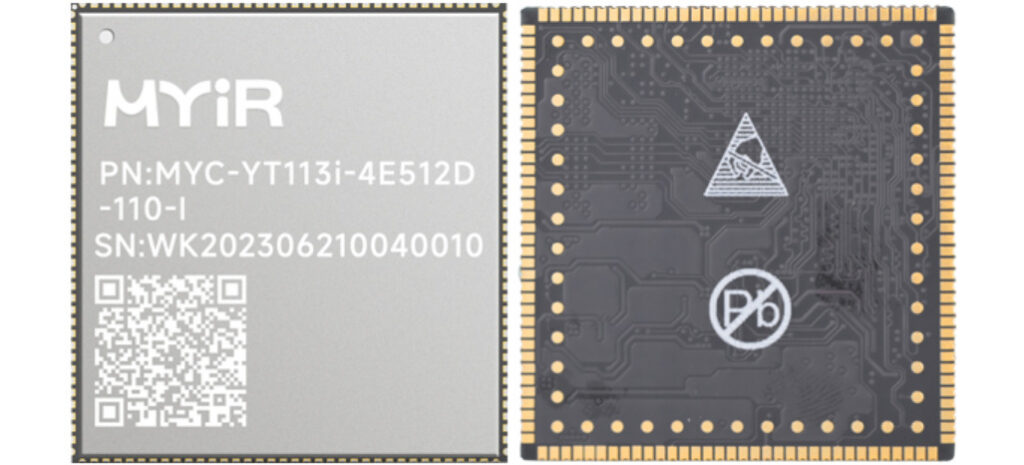
Low-cost T113-i SoM for Entry-level HMI & Embedded Devices with Video Capabilities
MYIR has launched MYC-YT113i CPU Module, offering larger capacities of external DDR3 memory options (512MB/1GB) to meet more customers’ needs while the popular MYC-YT113X CPU Module is fixed at 128MB on-chip DDR3 memory. Measuring only 39mm by 37mm, the MYC-YT113i CPU is based on...
Continue Reading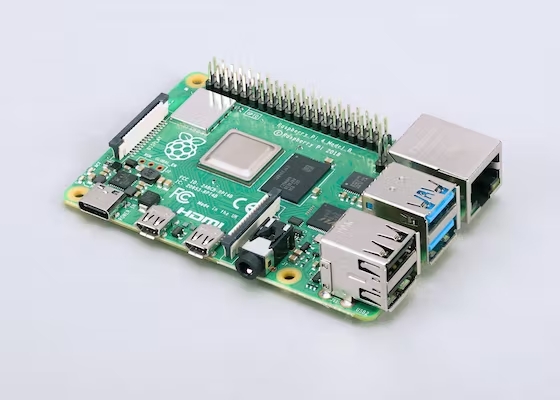
Implement USB Gadgets on Linux Easily with Sebastian’s New Rust Library
Rust developers looking for easier ways to turn a Raspberry Pi 4 into a Rust-powered USB gadget now have a powerful tool at their reach. Developer Sebastian Urban has released details on his new Rust library for USB gadget development on Linux. Sebastian, who claimed to have been...
Continue Reading