login
login




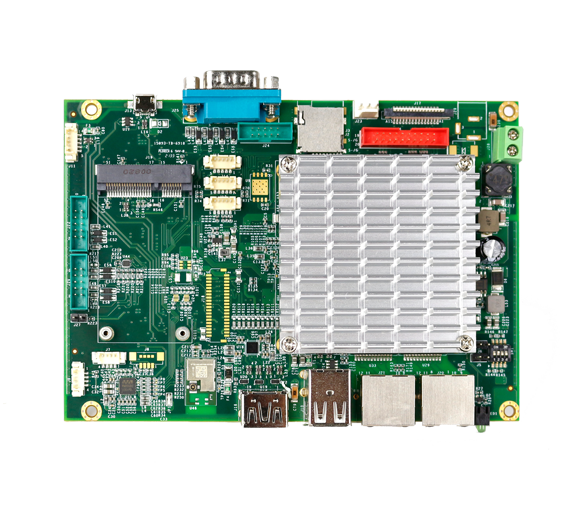
ICOP NX8MM-35 single board computer comes with an NXP module for industrial applications
ICOP, a manufacturer of embedded devices, has recently launched the ICOP NX8MM-35, a powerful single-board computer (SBC) designed for various industrial applications. The SBC integrates the NXP i.MX 8M Mini, is a competent and efficient internal module that ensures high performance and...
Continue Reading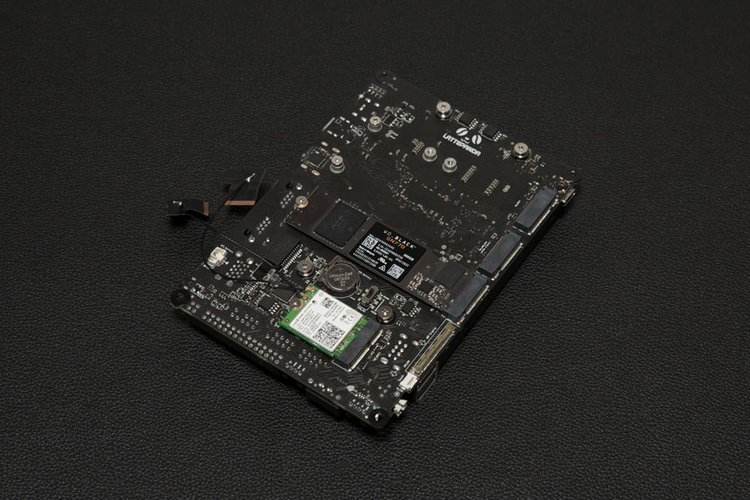
LattePanda Sigma is an x86 single-board computer with an Intel Core i5 processor
LattePanda has unveiled its latest single-board computer, the LattePanda Sigma, which is a compact x86 device with a powerful Intel Core i5-1340P processor. This quad-core processor, with an efficient core clock speed of 3.40 GHz and a maximum turbo frequency of 4.60 GHz, ensures...
Continue Reading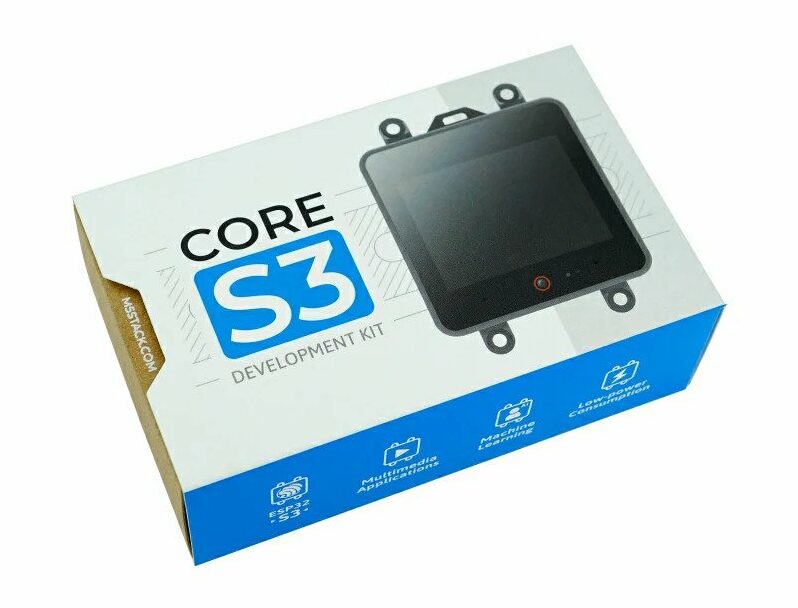
M5Stack CoreS3 is a compact development board with various onboard sensors
M5Stack has released the M5Stack CoreS3, a compact development kit. The M5Stack CoreS3 is integrated with the ESP32-S3 processor, which delivers enhanced performance and capabilities as it combines a highly efficient Xtensa LX7 processor core with a rich set of peripherals and...
Continue Reading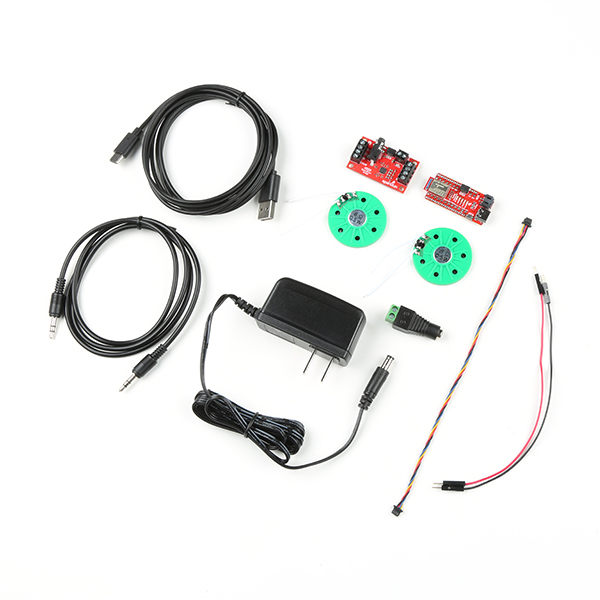
SparkFun Qwiic Speaker Kit comes with RedBoard Artemis Nano and Speaker Amplifier
SparkFun Electronics has designed a comprehensive audio solution, the SparkFun Qwiic Speaker Kit, that comes with all connecting cables, a wall adapter, a SparkFun Qwiic speaker amplifier, and RedBoard Artemis Nano. This audio kit serves as an all-in-one audio solution for hobbyists and...
Continue Reading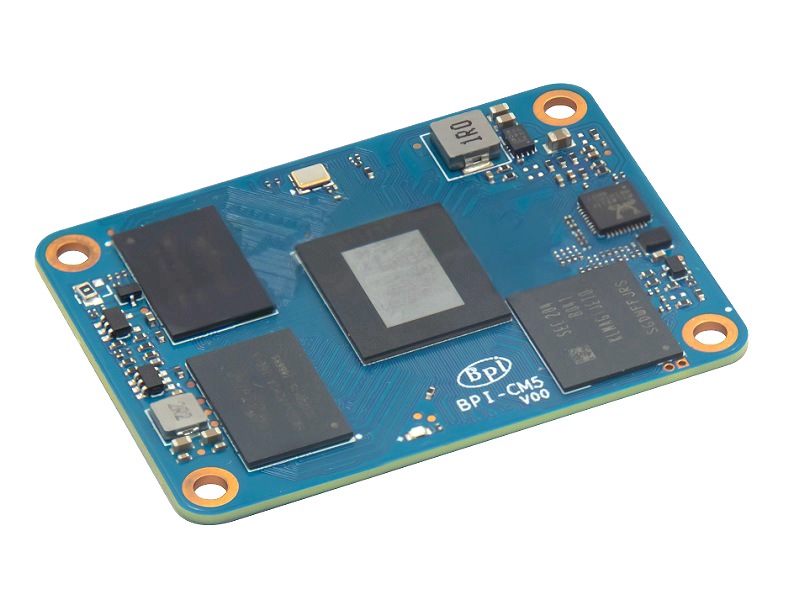
Banana Pi BPI-CM5 computer module with Amlogic A311D2 , 4G LPDDR4 RAM and 16G eMMC onboard
Banana Pi BPI-CM5 is a computer module with Amlogic A311D2 quad-core Cortex-A73 and quad-core Cortex-A53 SOC, Mali-G52 GPU MP8 GPU, 4GB LPDDR4/LPDDR4x (Max 8G), 16G eMMC flash (Max 128G). It is designed with Board to Board connectors for enhanced stability same as Raspberry Pi CM4,...
Continue Reading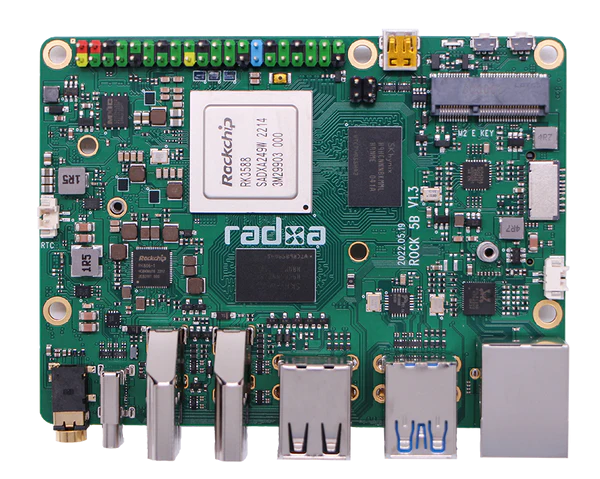
Radxa ROCK Pi 5B Single Board Computer has powerful RK3588 SoC
We recently discussed the launch of the Radxa ROCK Pi 4 SE single-board computer, which is equipped with the Rockchip RK3399-T processor and is considered to be an alternative to the famous Raspberry Pi 4B single-board computer. The company has expanded its product portfolio with the...
Continue Reading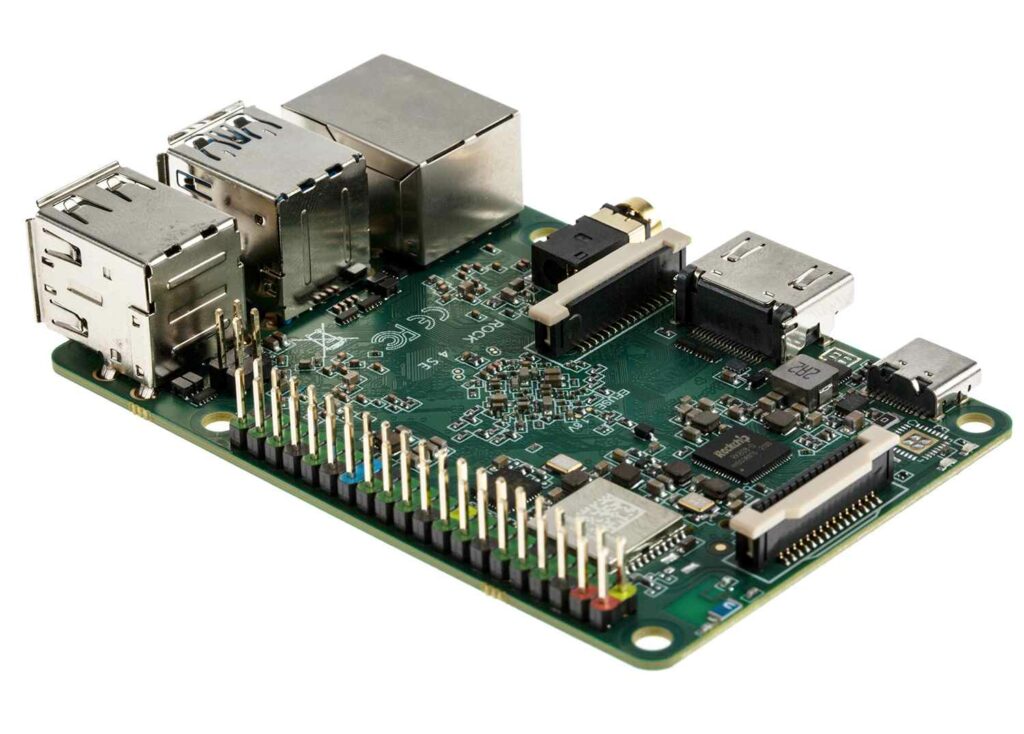
Is Radxa ROCK Pi 4 SE an alternative to Raspberry Pi?
The Radxa ROCK Pi 4 SE is a single-board computer that has gained considerable attention since its launch. It is designed to become an alternative to the Raspberry Pi with its host of features that make it an appealing choice for various projects and applications. The ROCK Pi 4 SE is...
Continue Reading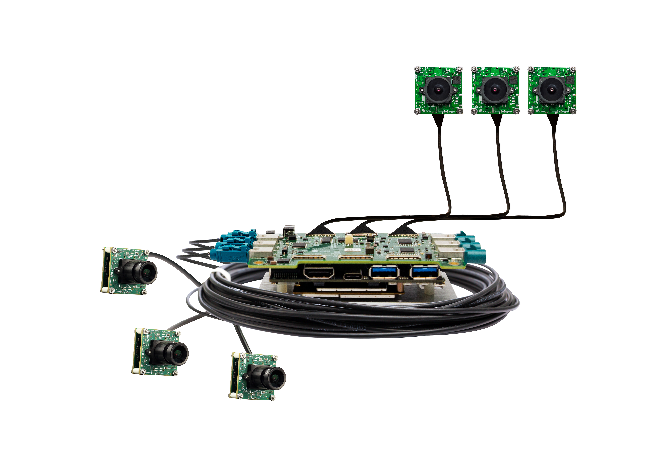
Advanced Multi-Camera Solutions for the Qualcomm Robotics RB5 Kit
e-con Systems™, with over two decades of experience in designing, developing, and manufacturing OEM cameras, recently launched an extensive multi-camera solution to fully unlock the RB5 Kit's potential. This solution allows connecting up to 6 cameras (MIPI or GMSL2 or a...
Continue Reading